 Intellect Plus
Ancient & biblical wars
1,074 cards. Each one is a 40-second story with a five-minute read behind it. Page 6 of 18.
 Why the planet Venus was almost named after a small, rugged Greek islandKythira is a strategic Greek island with a history of pirates, earthquakes, and ancient cults. Its most unusual legacy, however, is linguistic: astronomers once avoided the term V…
 Why the Spartan reputation for brevity is etched into the very name of LaconiaThe term laconic, meaning to speak with blunt, concise austerity, finds its origins in the ancient region of Laconia. Home to the legendary Spartans, this southeastern Peloponnesi…
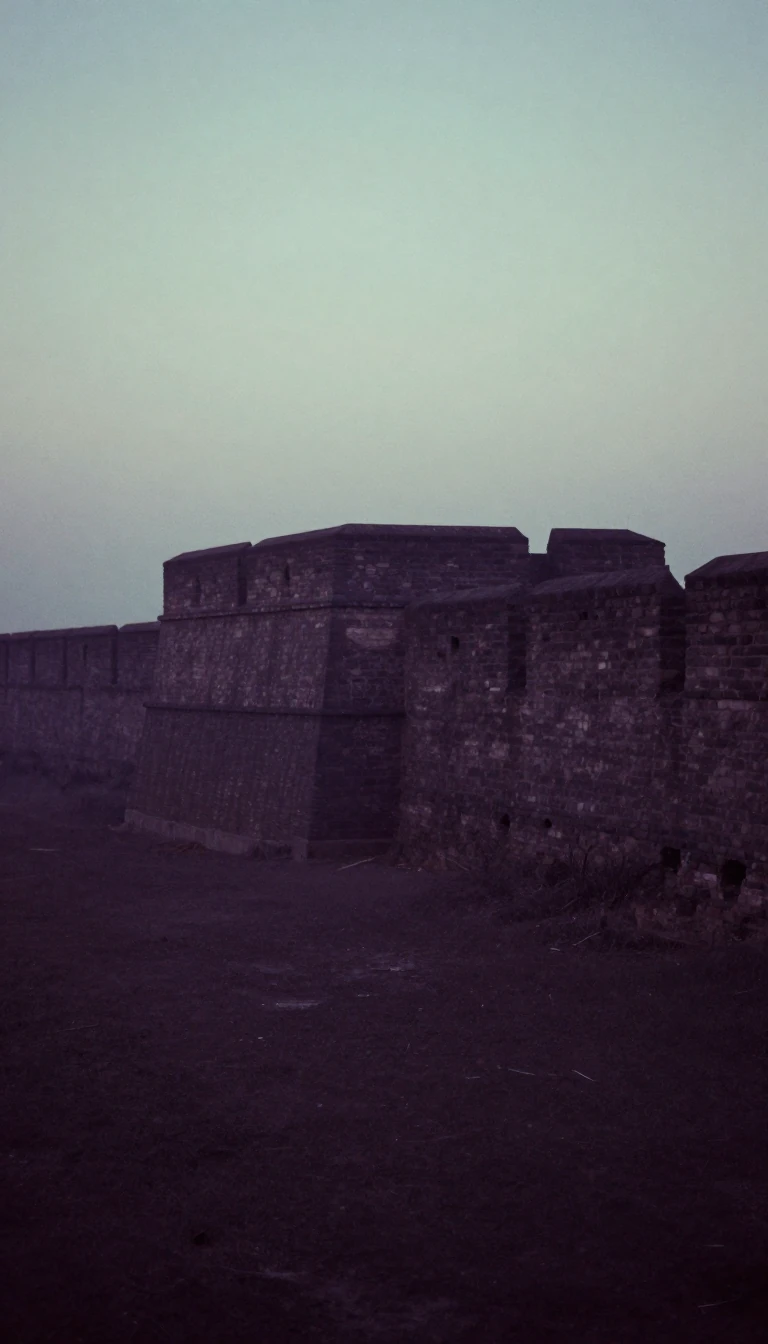 Why do soldiers choose to fight to the death against impossible odds?A last stand is a desperate military tactic where troops hold a position despite insurmountable odds. Whether motivated by duty, the need to protect a leader, or the fear of execu…
 How a small volcanic triangle in central Italy became the heart of an empire.Latium began as a modest, fertile region defined by its volcanic soil and independent Latin tribes. Through strategic alliances, military dominance, and a unique policy of grantin…
 Did the legendary Ninth Legion vanish in Britain or perish in a forgotten war?The Roman Ninth Legion, or Legio IX Hispana, remains one of history's most enduring enigmas. Once a powerhouse of the imperial army, it vanished from official records after AD 120…
 The Roman legionary was not just a soldier, but an empire-building engineer and administrator.Far from mere warriors, Roman legionaries were the backbone of imperial infrastructure. They built roads, bridges, and walls, acted as local judges, and managed tax collection. Re…
 How a peasant-born soldier became the last rival to Constantine the GreatLicinius rose from Illyrian peasant stock to become Roman emperor, ruling alongside Constantine I. Though they once co-authored the Edict of Milan to grant religious freedom, thei…
- Why light infantry are actually the heaviest soldiers on the modern battlefieldThe term light infantry is a historical misnomer. While these units are designed for speed and mobility in difficult terrain, they lack the vehicles of mechanized forces. Conseque…
 Why the Roman Empire’s most violent internal conflicts often refused to speak their nameRome was defined by a relentless cycle of civil wars and revolts that spanned its entire history. Yet, these conflicts were rarely straightforward. Because ancient chroniclers use…
 How a thriving Silk Road kingdom vanished into a salt-encrusted desert wastelandLop Nur was once a vibrant terminal lake supporting ancient civilizations and trade routes. Today, it is a barren, salt-covered basin in China’s Takla Makan Desert. Its transforma…
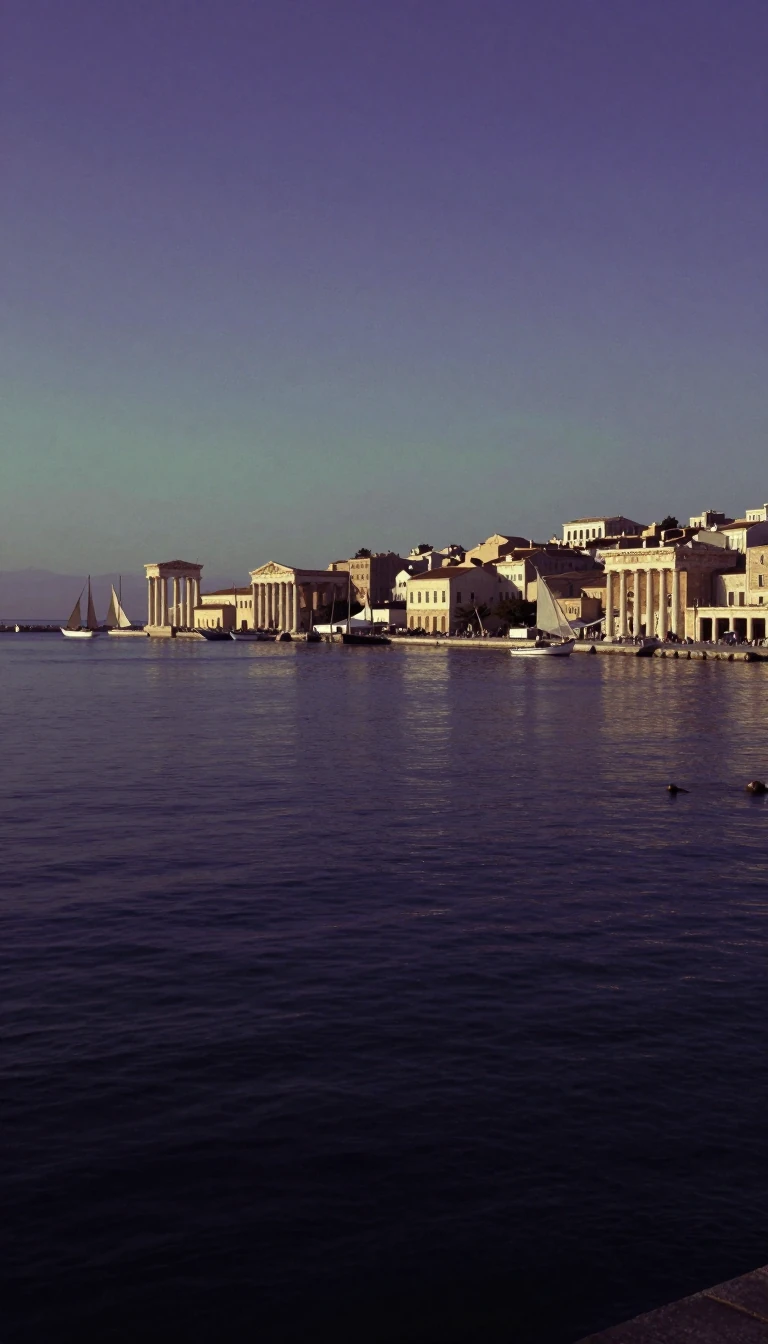 Did this ancient Indian port city host the world's first industrial-scale maritime dock?Lothal, a vital Indus Valley trade hub in modern Gujarat, featured a massive rectangular basin that some experts identify as the earliest known artificial dockyard. While skeptics…
 The sudden deaths of two imperial heirs that reshaped the Roman Empire foreverLucius Caesar was groomed to lead Rome as the grandson and adopted son of Augustus. His unexpected passing in Gaul at age eighteen, followed shortly by his brother Gaius, triggere…
 Lughnasadh was an ancient harvest festival defined by athletic contests and ritualistic mock battles.Long before modern harvest celebrations, the Gaelic festival of Lughnasadh marked the start of the season with horse racing, matchmaking, and intense ritual combat. Named for the …
- The Lusitanians: An Ancient People Who Defied Rome Through Guerrilla Warfare and Tribal UnityLiving in the far west of the Iberian Peninsula, the Lusitanians were a fierce tribal confederation known for their agility and mastery of guerrilla tactics. They famously resiste…
 Majorian: The Last Roman Emperor Who Actually Tried to Save the EmpireBetween 457 and 461, Majorian launched a vigorous military campaign to reclaim lost Roman territories. He defeated the Visigoths, subdued the Burgundians, and prepared a massive f…
 From ancient Berber kingdoms to the legendary Land of the MoorsMauretania was far more than a Roman province. It was a sovereign kingdom of Berber dynasties, a hub of Greco-Roman luxury, and a persistent frontier of Romano-Moorish resistance.…
 The last Roman emperor to hold the ancient title of Pharaoh of EgyptMaximinus Daza was a Roman ruler whose reign ended a 3,400-year-old tradition. While he is remembered in Christian annals for his brutal persecutions and dissolute lifestyle, he a…
- The Roman province of Moesia was a strategic invention, not an ancient tribal homeland.Moesia was a cornerstone of Roman power along the Danube, yet the very name was a calculated administrative fiction. Romans invented the Moesi to replace the identity of the local…
 How Octavia the Younger became Rome's first woman to hold unprecedented public powerAs the sister of Augustus and wife of Mark Antony, Octavia the Younger navigated the volatile transition from Republic to Empire. She was not merely a political pawn; she secured …
 How a strategic Roman military outpost transformed into the modern seaside resort of RomeFounded around 630 BC as Rome's first official colony, Ostia served as a vital military base and grain port. Today, this historic site has evolved from a defensive stronghold at t…
- How a desert city briefly challenged Rome for control of the ancient worldDuring the third-century crisis, the city of Palmyra broke away from Roman rule. Led by the ambitious Queen Zenobia, this short-lived empire expanded across the Levant and Egypt. …
 The Roman pilum was a sophisticated javelin designed to neutralize enemy shields in combat.The pilum was a signature Roman javelin, roughly two meters long, that combined weight and a unique pyramidal tip to pierce armor. While often remembered for bending upon impact t…
 From military commanders to city judges: the evolving power of the Roman praetorOriginally a title for military leaders, the Roman praetor transformed over centuries into a judicial powerhouse. While early praetors led private armies, the office eventually be…
 Why did a Roman emperor execute his own cousin, the King of Mauretania?Ptolemy of Mauretania was a wealthy, Roman-allied king whose prosperity and independence eventually cost him his life. Executed by Caligula in AD 40, his death triggered a massive…
 How Rome turned military defeat into a unique engine for long-term imperial survivalUnlike the rigid city-states of Greece or the fragile kingdoms of Macedon, Rome treated military expansion as a political necessity. By embedding citizenship and allied incorporat…
- Why did Rome spend decades fighting to conquer a rugged land of mountain mines?Dacia was a formidable regional power that once threatened the Roman Empire's stability. From its rise under King Burebista to its eventual conquest by Trajan, the territory becam…
- Sardis: The Ancient Lydian Capital Where Gold and Silver Coins Were First MintedPerched on a mountain spur in modern Turkey, Sardis was once the heart of a flourishing kingdom and the western end of the Persian Royal Road. From its legendary wealth under King…
 Long before the Mayflower, Scottish explorers were already scouting the North American wilderness.While popular history often centers on later migrations, the Scottish presence in North America began with Viking expeditions in 985. From enslaved scouts gathering grapes in Vinl…
 Seleucia on the Tigris: The Hellenistic Metropolis That Once Rivaled Rome and AlexandriaFounded by Seleucus I Nicator as an eastern capital, Seleucia on the Tigris became a massive center of trade and culture. It flourished under both Seleucid and Parthian rule, hous…
- When Napoleon installed his brother as King of Spain, he ignited a national catastrophe.In 1808, Napoleon Bonaparte forced the Spanish Bourbons to abdicate, placing his brother Joseph on the throne. He expected a smooth transition but instead triggered a brutal, year…
 This ancient Roman road map is the original version of a modern subway diagram.Forget geographic accuracy. The Tabula Peutingeriana was designed for a singular purpose: navigating the Roman Empire's vast public transport network, the cursus publicus. Much li…
 The ancient talent was a heavy unit of weight, not a measure of genius.Before it meant a natural aptitude, the talent was a standard unit of weight for precious metals across the ancient world. From the Hebrew kikkar to the Greek talanton, this measu…
- Why did Athens build a grand temple on a remote, wind-swept coastal cliff?The Temple of Poseidon at Sounion was more than a religious site; it was a strategic military outpost. Perched on the southern tip of Attica, this landmark served as a vital surve…
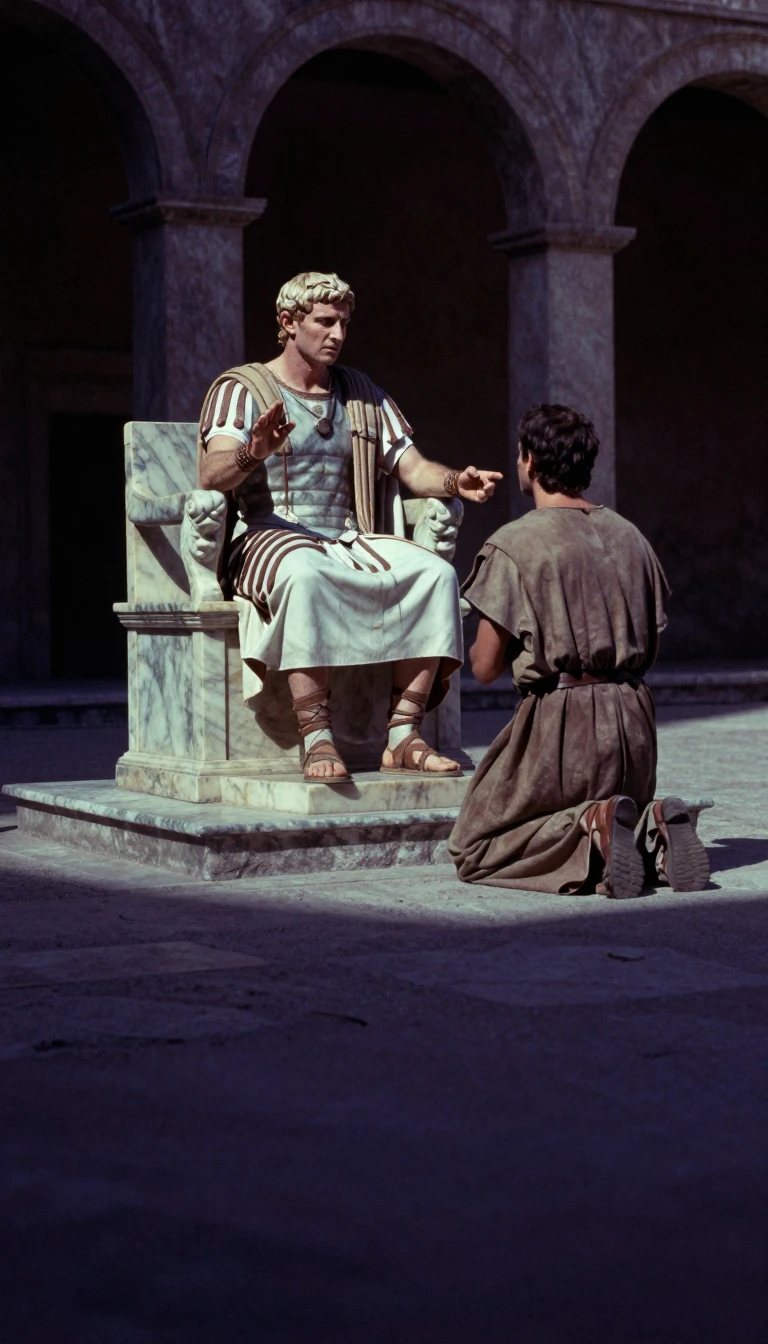 How Pompey the Great tricked Rome into accepting its first permanent stone theatreRome once banned permanent theatres, fearing they encouraged decadence. To bypass this, Pompey the Great built his massive complex in the Campus Martius, disguised as a temple to …
- How a niche sports channel transformed into a titan of American cable televisionLaunched in 1977 to broadcast Madison Square Garden events, the network evolved through decades of shifting ownership and programming strategies. From its optimistic blue sky era …
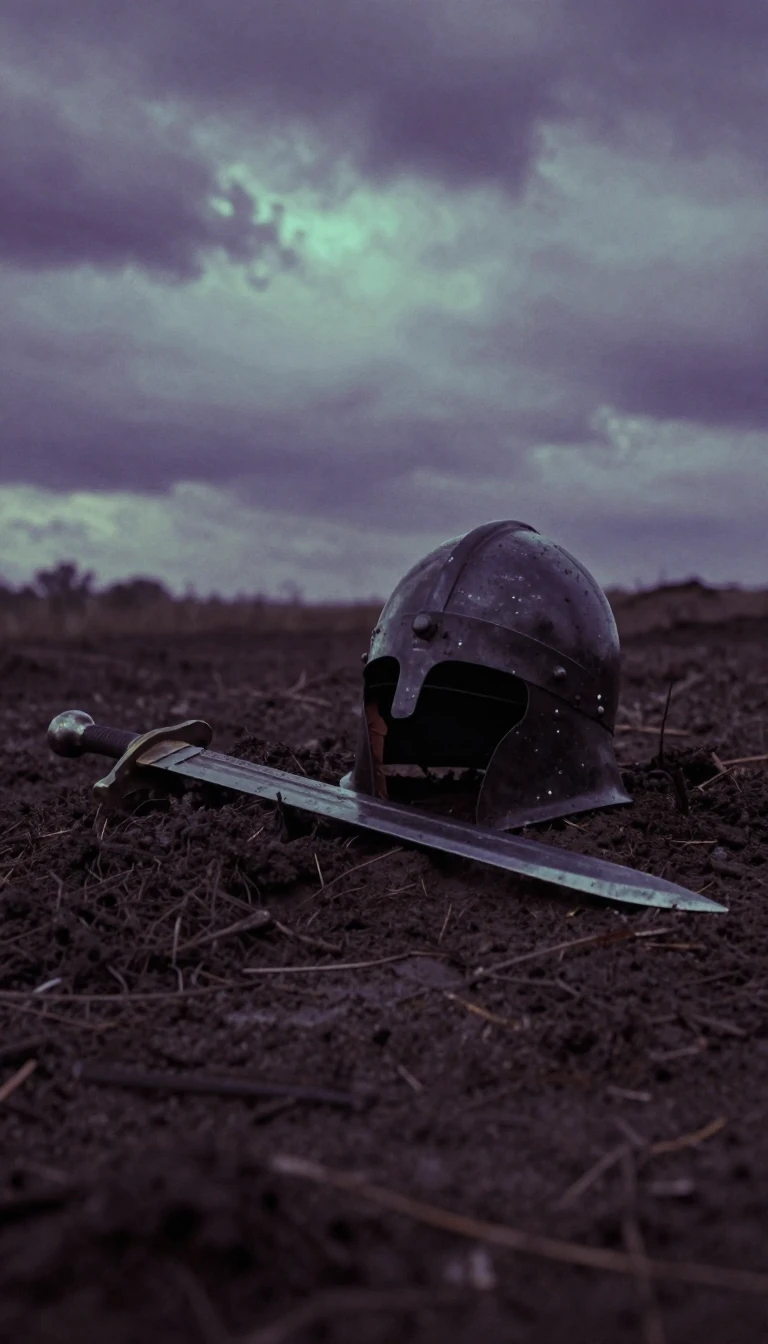 A child emperor, a puppet general, and a mysterious death in the Roman palace.Valentinian II became emperor at age four, but he spent his life as a political pawn. Controlled by his mother, his co-emperors, and finally a powerful general, his reign ended in…
 The 473-clause blueprint that shaped modern India and PakistanIn 1935, the British Parliament passed an immense piece of legislation designed to manage the future of India. While it promised provincial autonomy and expanded the vote to 35 mi…
 The invisible crisis: why snakebite mortality remains hidden from global health recordsEvery year, millions of people are bitten by snakes, yet official death tolls often tell a fraction of the truth. In some regions, the actual number of fatalities is over thirty t…
 The lost voices of Europe's pre-Indo-European pastBefore the arrival of Indo-European tongues, a different linguistic family once echoed across the continent. From the Italian Alps to the Aegean Sea, the Tyrsenian languages repre…
 The ancient port that survived empires, migrations, and the Cold WarFrom an Illyrian settlement in the 11th century BC to a strategic Soviet submarine base, Vlorë has been a prize for every major Mediterranean power. Discover how this Albanian coa…
 The ancient Mesopotamian epic that predates the Genesis flood by a millenniumLong before the Book of Genesis, a different story of a great deluge was etched in clay. It tells of a hero, a massive vessel, and a divine conspiracy that nearly wiped out all li…
 How a resource-poor region became Europe's richest bronze-age powerScandinavia lacked the raw ores needed to forge bronze, yet it flourished as a metallurgical powerhouse. By mastering long-distance trade and sophisticated casting, this ancient s…
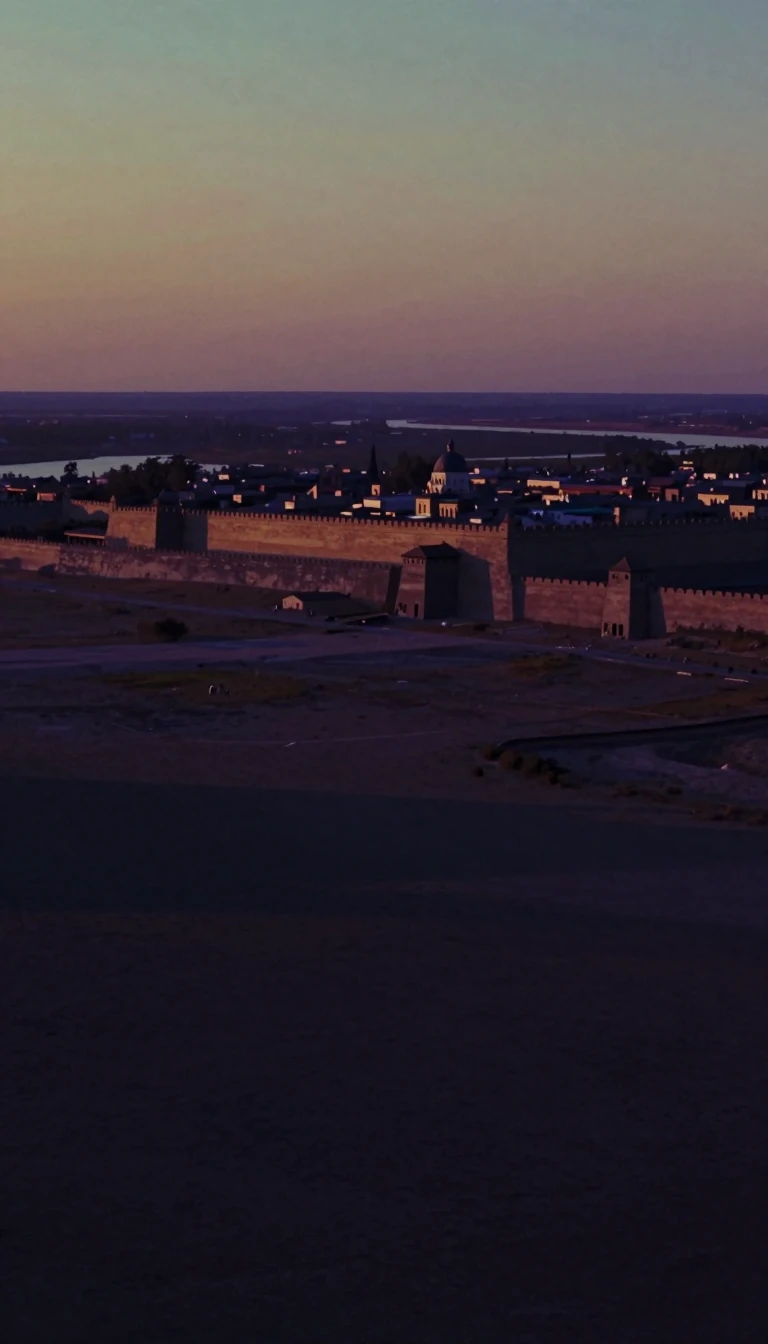 How a general’s ambition transformed a power vacuum into a Macedonian dynastyAfter the death of Alexander the Great, the world fractured. Amidst the chaos of the Diadochi Wars, one ambitious general and his son rose from the wreckage of the Argead dynasty …
 How a simple smell and a square formation conquered the Lydian KingdomIn December 547 BC, Cyrus the Great faced an army twice the size of his own on the plains of Sardis. By deploying a novel square formation and using the scent of camels to panic e…
 A Three-Year Siege Concluded by a Treacherous Banquet Murder in Ancient RavennaBetween 490 and 493, the city of Ravenna became the stage for a protracted military standoff between two powerful leaders. While the conflict eventually reached a negotiated peace…
 How a failed invasion of Italy turned into a stalemate for Philip V of MacedonCaught between the Roman Republic and the Aetolian League, Philip V of Macedon attempted to expand his power while Rome was distracted by Hannibal. His ambition to cross into Ital…
 How a One-Eyed General Won a Battle Despite Being Heavily OutnumberedIn 319 BCE, Antigonus Monophthalmus faced a larger force in Cappadocia. Though his opponent, Eumenes, held the tactical advantage on the plains, Antigonus orchestrated a stunning …
 A sick Roman commander suffered a humiliating defeat in a narrow mountain pass ambush.In 90 BC, the Social War turned against Rome at the Battle of Taenum. Despite commanding a substantial force of 35,000 soldiers, Lucius Julius Caesar was caught off guard by Itali…
 How Hannibal used a freezing river and a hidden ambush to crush RomeIn December 218 BC, Hannibal lured a hungry, shivering Roman army across the icy Trebia River. By baiting them into a trap, he turned their numerical advantage against them, using…
 A Roman ambush at Beroe shifted the balance of power in the third centuryIn 250, the Roman Empire faced a significant military setback near the ancient city of Ulpia Augusta Traiana. Pursuing Gothic forces after a prior engagement, Emperor Trajan Deciu…
- In AD 193, the Roman Empire auctioned its throne to the highest bidderFollowing the assassination of Emperor Commodus, Rome descended into chaos. Five men claimed the title of emperor in a single year, sparking a brutal civil war. The Praetorian Gua…
 How a Taoist faith healer’s failed prophecy triggered the collapse of an ancient empire.In 184 AD, a massive peasant uprising led by a self-proclaimed sorcerer shattered the Han Dynasty. By promising a new era of prosperity under a yellow sky, the movement mobilized …
- In AD 69, four men claimed the Roman throne, triggering a brutal civil war.The Year of the Four Emperors saw the Roman Empire descend into chaos as Galba, Otho, Vitellius, and Vespasian fought for control. This violent transition ended the Julio-Claudian…
- A dynasty’s attempt to secure its future through family power triggered its own collapse.To protect his developmentally disabled heir, Emperor Wu of Jin granted his royal relatives immense military and administrative authority. Instead of safeguarding the throne, thes…
 How a calculated propaganda campaign turned a Roman civil war into an imperial birthThe War of Actium was not merely a clash of legions, but a masterclass in political manipulation. By framing his rival Mark Antony as a puppet of the Egyptian queen Cleopatra, Oct…
- Alexander the Great: A military genius who built a vast empire but no stabilityAlexander the Great conquered a massive territory from Greece to India in just thirteen years. Yet, his rapid expansion lacked the administrative foundation to endure. Upon his de…
- How a defensive alliance against Persia transformed into an iron-fisted Athenian empireBorn from the ashes of the Greco-Persian Wars, the Delian League began as a pact of eternal resistance. Yet, within decades, the alliance shifted from a collective defense force i…
 A forgotten ancient battle that may prove the timeline of the Roman RepublicAround 508 BC, the king of Clusium sent his son to conquer Aricia after failing to subdue Rome. The resulting clash, involving Greek reinforcements from Cumae, ended in a total ro…
- How the son of Pompey the Great nearly strangled Rome by cutting its grainSextus Pompey, the last defender of the Roman Republic, turned Sicily into a naval fortress to challenge the Second Triumvirate. By blockading Italy and weaponizing the grain supp…
- How a nineteen-year-old heir toppled the Roman Republic after defeating its greatest general.The War of Mutina was meant to save the Roman Republic from Mark Antony. Instead, it destroyed the Senate's authority. By leveraging his private army and exploiting a power vacuum…