 Intellect Plus
Ancient & biblical wars
1,074 cards. Each one is a 40-second story with a five-minute read behind it. Page 5 of 18.
 How a poet-revolutionary became a martyr for India's independence against British colonial ruleAshfaqulla Khan was a central figure in the Hindustan Republican Association, a revolutionary group fighting British rule. A poet and disciple of Ram Prasad Bismil, Khan helped or…
 Why a fictional space cruise became a documentary about our present-day realityA simple science fiction comedy about an interplanetary cruise ship gone wrong, Avenue 5 was intended to be a silly exploration of human behavior. Instead, creator Armando Iannucc…
 How a jagged limestone fortress shaped the history of the Balkan PeninsulaStretching 645 kilometers, the Dinaric Alps are more than a rugged mountain range. Their porous limestone peaks and deep, hidden canyons have served as a natural stronghold for ce…
 Why the Fourth Dynasty stands as the pinnacle of ancient Egyptian architectural achievementSpanning from approximately 2613 to 2498 BC, the Fourth Dynasty of Egypt represents a golden age of stability and innovation. While many eras of antiquity were defined by conflict…
 How India’s elite counterterrorism agency hunts threats across borders and state linesEstablished after the 2008 Mumbai attacks, the National Investigation Agency serves as India's primary federal force against terrorism. With nationwide jurisdiction and the power …
 Black-Native identity is a powerful, multifaceted legacy of resistance, not a monolithic racial category.Black-Native individuals are not a single, uniform group. They are the descendants of both African and Indigenous ancestors, embodying a rich history of kinship, struggle, and sur…
 Was the Catilinarian conspiracy a genuine threat to Rome or a politician's masterclass in manipulation?In 63 BC, Cicero claimed to have saved the Roman Republic from a violent coup led by the disgraced aristocrat Catiline. While ancient sources painted Catiline as a villainous insu…
 The Roman heir who was nearly erased by his father's most trusted advisorDrusus Julius Caesar was the designated successor to the Roman Empire, a man of immense political influence and military success. Yet, his sudden death at thirty-five sparked rumo…
 How a group of free people of color became a federally recognized tribeThe Lumbee people of North Carolina have navigated a complex history of racial classification, from being labeled free people of color to securing federal recognition in 2025. The…
 How a Roman General’s Fatal Trust Halted the Empire’s Expansion Beyond the RhineIn 9 CE, Publius Quinctilius Varus led three Roman legions into a devastating ambush orchestrated by a trusted Germanic ally. The resulting slaughter at the Teutoburg Forest shatt…
 What happens when Shakespeare’s Macbeth is reimagined as a 1970s fast-food crime comedy?In the 2001 film Scotland, PA, the tragedy of Dunsinane Castle is transplanted to a failing burger joint in Pennsylvania. Written and directed by Billy Morrissette, this dark come…
 Why did Rome's most gentle poet ignore the emperor who ruled his world?Albius Tibullus was a master of Roman elegy, celebrated for his refined, musical style and tender, unselfish nature. Yet, while his peers courted the Augustan regime, Tibullus rem…
 How a Greek confederation inspired the architects of the United States ConstitutionThe Achaean League was the most successful attempt by ancient Greek city-states to balance collective security with local autonomy. By mastering federalism, this Hellenistic power…
 How a tiny island became a maritime superpower and then vanished from historyAegina was once a dominant force in the ancient Mediterranean, wielding a naval fleet that challenged Athens and silver coins that served as the standard currency for Dorian state…
 Why did Augustus banish his own grandson, the heir to his bloodline?Agrippa Postumus was once the legal son of Emperor Augustus, yet he ended his life exiled on a remote island and executed by his own guards. Was he a violent, brutish threat to th…
 The Ancient Agora of Athens was a bustling hub of commerce, law, and art.Beyond its role as a commercial center, the Athenian Agora served as a vibrant social stage where women participated in religious life and master sculptors like Phidias crafted ic…
 Thessaly was a land of horse-rearing aristocrats, warring factions, and mythical heroes.Ancient Thessaly was a geographically diverse powerhouse, defined by fertile plains and a rigid social hierarchy. While famous as the homeland of Achilles and Jason, its history w…
 How a regional dialect from Athens became the prestige language of the ancient world.Attic Greek began as a relatively obscure local dialect in the region of Attica. Yet, through the political rise of Athenian democracy and the enduring influence of its dramatists…
 Why Rome’s greatest emperor was never allowed to grow old in his own portraitsThe Augustus of Prima Porta presents a timeless, idealized ruler addressing his empire. Despite his long reign, the emperor is never depicted as elderly or aging. This marble mast…
 How a Gallic Senator Became a Roman Emperor and Lost Everything in One YearEparchius Avitus rose from the Gallo-Roman nobility to the imperial throne in 455, banking on a strategic alliance with the Visigoths. Yet, his reign was defined by deep-seated re…
 Was the legendary Battle of Camlann a real historical catastrophe or mere poetic fiction?The final stand of King Arthur remains one of literature's most enduring mysteries. While medieval romances paint a picture of chivalric tragedy at Salisbury, historical analysis …
 The British Iron Age was defined not by war, but by deep continental integration.Far from an isolated backwater, Iron Age Britain was a sophisticated network of trade, agriculture, and religious practice. While hillforts and chariot warfare capture the imagina…
 The Bronze Age did not just bring better tools; it invented the professional warrior.While earlier eras saw violence, the Bronze Age fundamentally changed human conflict by creating the sword. For the first time, humanity possessed an object designed exclusively f…
 The woman who tried to save Caesar from his fate on the Ides of MarchCalpurnia, the final wife of Julius Caesar, remains a figure of quiet devotion amidst the chaos of Roman politics. Despite her husband's notorious infidelities, she stood by him u…
 How India’s industrial guard force evolved into a global security and disaster management powerhouseBorn in 1969 to protect state-owned factories, the Central Industrial Security Force has transformed into a massive paramilitary organization. Today, it secures everything from nu…
 India's national gendarmerie: How a colonial-era force became a modern multi-dimensional security giantBorn in 1939 to preserve order in princely states, the Central Reserve Police Force has evolved into India's largest central armed police organization. With over 300,000 personnel…
 How a Greek peninsula became a pivotal theater for ancient and modern warfareChalkidiki is more than a scenic Aegean destination. Its three-fingered geography has served as a strategic prize for millennia, from the Peloponnesian War to the Greek War of Ind…
- Why modern chemical warfare relies on nerve agents that paralyze the human nervous systemChemical weapons are designed to kill, injure, or incapacitate through toxic chemical compounds. While riot-control agents like tear gas serve domestic purposes, the most lethal m…
 Cisalpine Gaul: The Celtic Heartland That Became the Engine of the Roman EmpireBefore it was the bedrock of Roman Italy, the Po Valley was a vibrant Celtic frontier. Known as Gallia Cisalpina, this region saw waves of migration, the rise of unique cultures, …
 The 1963 epic Cleopatra nearly bankrupted a studio and redefined Hollywood production excess.Released in 1963, Cleopatra is remembered as much for its chaotic off-screen drama as its historical narrative. With a record-setting salary for Elizabeth Taylor and a ballooning …
 The forgotten Ptolemaic queen who turned a wild North African kingdom into a powerhouseCleopatra Selene II, the only daughter of Egypt’s last pharaoh, survived her parents' dramatic downfall to become a powerful monarch in her own right. As Queen of Mauretania, she …
 How a small group of London merchants accidentally built an empire in IndiaThe English East India Company began as a modest venture to trade spices, with capital far smaller than its Dutch rivals. By avoiding the costs of armed monopoly and relying on di…
 How a common soldier from Britain briefly seized the Western Roman Empire's throneIn 407, a lowly Roman soldier named Constantine was acclaimed emperor by his desperate, unpaid peers in Britain. He stripped the province of its military defenses to launch a bold…
 How a Roman Emperor’s calculated restraint helped shape the future of the Western EmpireConstantius Chlorus, a key member of Diocletian’s original four-man tetrarchy, is often remembered as the father of Constantine the Great. Yet, his own career was defined by strat…
- How the Roman province of Dalmatia evolved from a pirate stronghold into an autonomous state.Originally known as Illyricum, the region along the Adriatic coast was a persistent thorn in Rome's side. After centuries of conflict, piracy, and administrative restructuring, it…
- Did Cleopatra really die from an asp, or is that a historical myth?The image of Cleopatra ending her life with a venomous snakebite is iconic, yet ancient historians offer a different, more clinical account. As the last ruler of the Ptolemaic dyn…
 The forgotten assassin who was closer to Julius Caesar than any other manDecimus Junius Brutus Albinus was a trusted commander, a designated heir, and a man Caesar loved like a son. Yet, he became a primary architect of the dictator's assassination. Of…
 How a Roman Emperor's attempt to restore tradition triggered a historic religious crisisEmperor Decius sought to unify Rome by mandating universal religious sacrifice, an act intended to secure the empire's future. Instead, his edict sparked the first systematic pers…
- From ancient Sparta to modern states, why do some nations choose two rulers?Diarchy, or the system of dual rule, is one of history's oldest governance models. Whether through formal constitutional design or informal power-sharing, societies have long spli…
 Who were the Dorians, and did they really invade the ancient Greek world?The Dorians were a major ethnic group of classical Greece, defined by their distinct dialect and martial traditions. While often associated with a legendary invasion that supposed…
 How a Japanese action series turned Chinese history into a global gaming phenomenonDynasty Warriors transformed the romanticized Chinese Three Kingdoms period into a high-octane hack-and-slash franchise. By blending historical figures with mystical powers and an…
 The last emperor of the Han dynasty spent his final years as a comfortable duke.Emperor Xian of Han was a puppet ruler for most of his life, passed between warlords like a political trophy. Yet, after his forced abdication in 220, he avoided the typical fate …
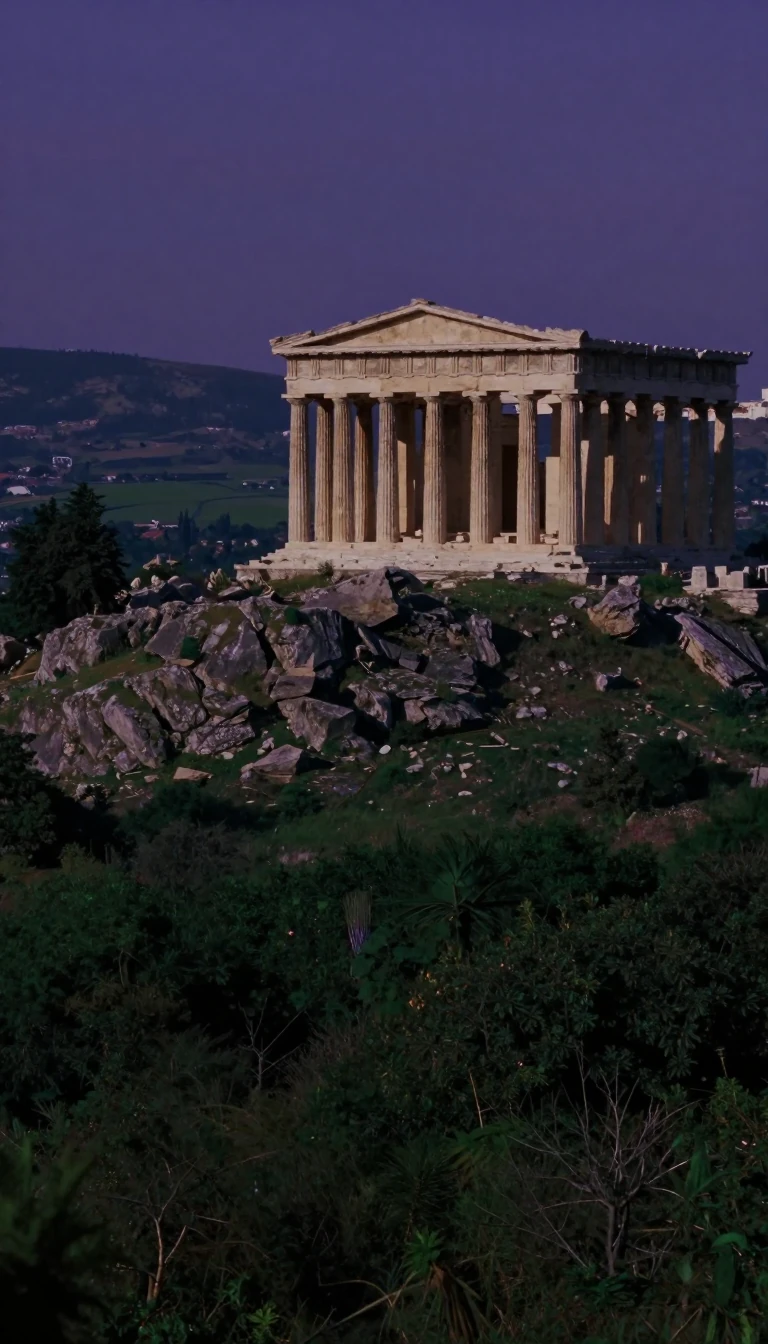 Epirus: The rugged Greek frontier that birthed the concept of a Pyrrhic victory.Long considered a peripheral, mountainous backwater, Epirus was the cradle of ancient Greek tribes and the site of the legendary Oracle of Dodona. It rose to brief, intense promin…
- The First Triumvirate was a secret, illegal pact that ultimately destroyed the Roman Republic.History calls it the First Triumvirate, but that name is a modern invention for an unofficial, three-headed monster. Caesar, Pompey, and Crassus forged this secret alliance to byp…
 Fulvia: The Roman Aristocrat Who Orchestrated a Rebellion Against the Future Emperor AugustusLong before Cleopatra, Fulvia was the most powerful woman in Rome. As the wife of Mark Antony, she commanded political loyalty, managed street gangs, and led an armed rebellion ag…
- When Rome fractured, a breakaway empire emerged to defend the Rhine frontier for years.During the chaotic third-century crisis, the Roman Empire split. A powerful governor named Postumus established the Gallic Empire, creating a parallel state that spanned Gaul, Bri…
- How a Roman General Conquered Britain and Became the Subject of Ancient History's Greatest BiographyGnaeus Julius Agricola was the architect of Roman expansion into Scotland and Wales. His life, documented by his son-in-law Tacitus, reveals a complex administrator who balanced m…
 From the front lines of the Croatian War to Hollywood's leading manBefore Goran Višnjić became a household name on ER, he was a paratrooper in the Yugoslav People's Army. Weeks after his discharge in 1991, he joined the Croatian Ground Army to fi…
 The thirteen-year-old emperor who opened the gates of war for the final time.Ascending to the throne as a teenager, Gordian III became the face of a crumbling Roman Empire. While aristocratic families initially pulled the strings, the young ruler eventuall…
 How a Roman Emperor Secured His Dynasty by Crowning an Eight-Year-Old Child AugustusTo guarantee a stable succession, Emperor Valentinian I took the unusual step of elevating his young son, Gratian, to the rank of co-emperor. This move aimed to solidify the imper…
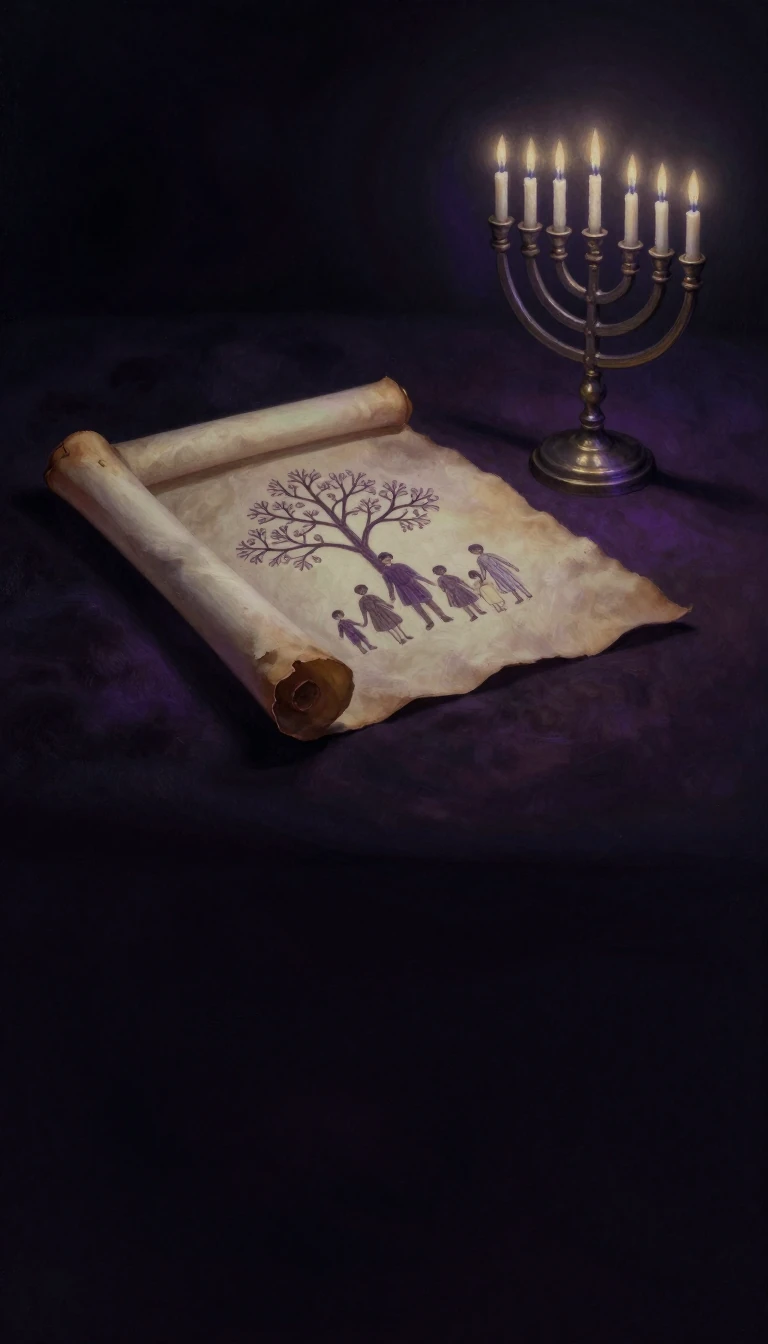 How a priestly family sparked a revolution and built a short-lived Jewish kingdomThe Hasmonean dynasty rose from the ashes of the Maccabean Revolt to rule Judea for over a century. Born from a religious uprising against Seleucid Hellenization, this priestly ho…
 Were the Helots of ancient Sparta mere slaves, or a subjugated, captive nation?The Helots were the backbone of the Spartan economy, yet they lived in a state of perpetual, state-sanctioned terror. Neither fully free nor standard chattel slaves, this massive …
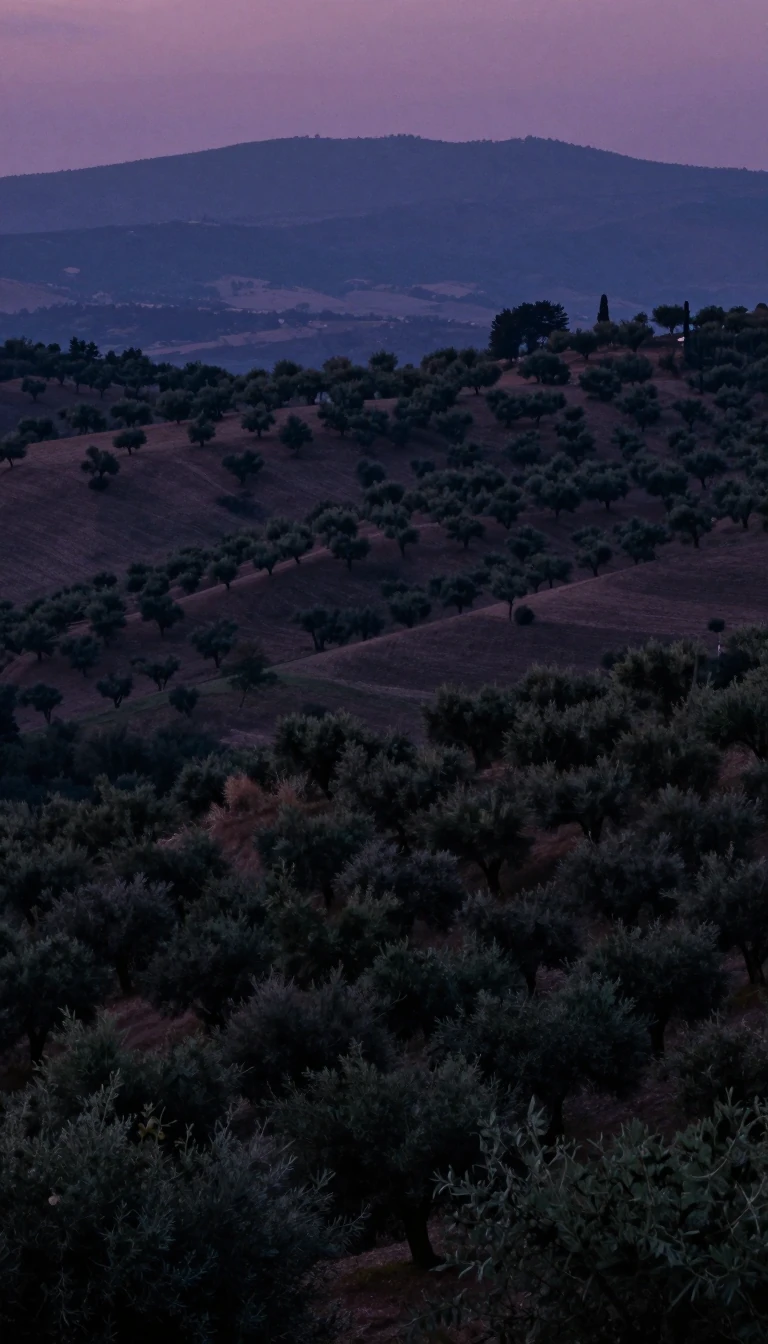 Who were the Iberians, the mysterious people who named a continent?Long before Rome, the Iberians dominated the eastern and southern coasts of Spain. Far from a monolithic tribe, they were a sophisticated network of city-states and monarchies, re…
- The Roman province of Illyricum was a volatile frontier defined by piracy and rebellionSpanning the rugged Adriatic coastline and the fertile northern plains, Illyricum served as a strategic buffer and a persistent headache for Rome. From the early Illyrian Wars to …
 Why did ancient empires insist their rulers were gods, and did anyone believe it?Across history, from the pharaohs of Egypt to the emperors of Rome and Japan, states have elevated rulers to divine status. This imperial cult served as a powerful mechanism for p…
- Why signing a standard terms of service agreement could bankrupt you unexpectedly.An indemnity clause is a legal promise to pay for someone else's losses, often including their legal fees. While it sounds like a routine formality, these clauses can force you to…
 Why Alexander the Great’s legendary march into India ended in a mutinyAfter conquering the Persian Empire, Alexander the Great pushed into the Indus Valley in 327 BC. Yet, despite his military brilliance, his campaign stalled at the Hyphasis River. …
 The Suebi Kingdom: How a Germanic Migration Created a Forgotten Iberian PowerCrossing the Rhine in 405 AD, the Suebi carved a kingdom from the Roman Empire’s collapse. From their capital in Braga, they navigated civil wars, religious shifts, and brutal pow…
 How a tiny Adriatic island became a strategic prize for empires across three millenniaKorčula has been a coveted prize for everyone from ancient Greeks to the British Empire. Its strategic position in the Adriatic turned this island into a fortress, a pirate base, …
- How a tiny Adriatic port was pulled into battle by ropes and sheer willKotor, a fortified Mediterranean gem, has survived centuries of sieges, earthquakes, and shifting empires. Its most surreal moment came in 1814, when British forces, lacking wind …