 Intellect Plus
World wars era
717 cards. Each one is a 40-second story with a five-minute read behind it. Page 5 of 12.
 Is the Arctic Seed Vault truly a doomsday bunker for the end of civilization?While often framed as a final refuge against global catastrophe, the Svalbard Global Seed Vault is actually a mundane, high-tech safety deposit box. It serves as a critical backup…
 The Soviet semi-automatic rifle that promised a revolution but struggled on the battlefieldDesigned to modernize the Red Army, the SVT-40 was a sophisticated gas-operated rifle that aimed to replace the aging bolt-action Mosin-Nagant. Despite its advanced engineering an…
 The Soviet war correspondent whose greatest masterpiece was arrested by the stateVasily Grossman was a legendary Red Army reporter who witnessed the horrors of Treblinka and the Battle of Stalingrad. Yet, his most profound literary works were deemed anti-Sovie…
 The Walther P38: How a German wartime pistol revolutionized modern handgun designDeveloped to replace the complex Luger P08, the Walther P38 introduced the double-action/single-action trigger system that defines most modern military and police handguns today. …
 How a controversial exhibition forced modern Germany to confront its military's dark historyFor decades, many Germans viewed the Wehrmacht as a professional fighting force separate from Nazi atrocities. That myth shattered in the 1990s when a traveling exhibition display…
- The Lever-Action Rifle That Served the Russian Empire and Tamed African LionsDesigned by John Browning, the Winchester Model 1895 was the strongest lever-action rifle of its era. It broke tradition by using a box magazine, allowing it to fire powerful, poi…
 Germany's first tank, the A7V, was a desperate, under-funded response to British armor.The A7V Sturmpanzerwagen was Germany's only combat-ready tank of World War I. Born from panic after British tanks appeared in 1916, this 30-ton behemoth was a mechanical struggle.…
 The Field Marshal who planned to topple Hitler but arrived too late to leadErwin von Witzleben was a high-ranking German officer who spent years plotting against the Nazi regime. Though designated to lead the military after a successful coup, his delayed…
 The German aircraft that could land almost vertically and even fly backwards in wind.Named for its long, spindly landing gear, the Fieseler Fi 156 Storch was a master of short-field performance. It could touch down on boulder-strewn mountains or improvised city ro…
 Why a world-famous motorcycle racer refuses to quit his job as a truck mechanic.Guy Martin is a household name in Britain, known for high-speed records and television fame. Yet, he remains a dedicated truck fitter, viewing his media career as a temporary mean…
 The Lewis gun was a rejected American invention that defined British infantry firepower.Invented by a U.S. Army colonel in 1911, the Lewis gun was snubbed by American officials due to petty political feuds. It found a home in Britain instead, becoming an iconic, air-…
 Why the light tank survived the rise of the main battle tankWhile heavy main battle tanks dominate modern warfare, their smaller, lighter cousins remain essential for specialized missions. From jungle maneuvers to airborne drops, light tan…
- A German Field Marshal who escaped Nuremberg justice due to medical reasonsMaximilian von Weichs rose from the Bavarian cavalry to command major fronts across Europe during World War II. Despite his central role in the Balkans and the Eastern Front, he a…
 Did the Germans really lose more men taking one house than capturing Paris?Pavlov's House, a four-story apartment block in Stalingrad, became a legendary symbol of Soviet defiance during World War II. While popular history paints it as a site of relentle…
 How a 1939 Department Store Marketing Campaign Created a Modern Christmas IconWhile the classic team of eight reindeer has defined Christmas lore since 1823, the most famous member of the sleigh team is a relative newcomer. Rudolph the Red-Nosed Reindeer wa…
 The Twelve Days of Christmas are not the countdown leading up to December 25th.Modern commercial culture has convinced many that the Twelve Days of Christmas end on Christmas Day. In reality, this sacred season begins on December 25th and lasts until the eve…
 The .30-06 Springfield: A Century of Military Might and Sporting VersatilityAdopted in 1906, the .30-06 Springfield became the backbone of American infantry for half a century. From the trenches of World War I to the jungles of the Vietnam War, this legen…
- The .50 BMG was born from a Great War need to stop aircraft and tanks.Developed in the final days of World War I, the .50 BMG remains a cornerstone of modern military power. From its origins as a scaled-up machine gun cartridge to its role in precis…
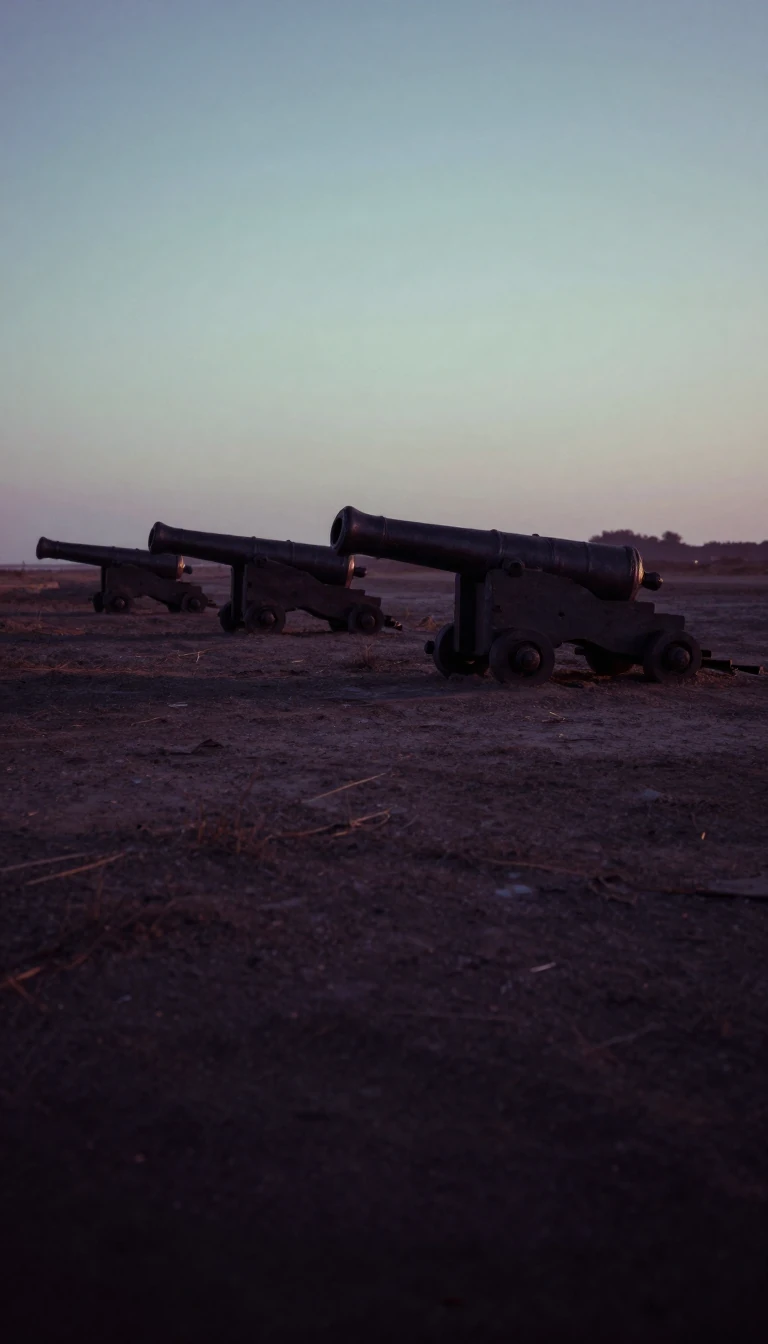 How a gunboat in Morocco helped trigger the First World WarIn 1911, Germany sent a warship to a Moroccan port to demand colonial compensation from France. The move backfired, pushing Britain and France into a tighter military alliance and…
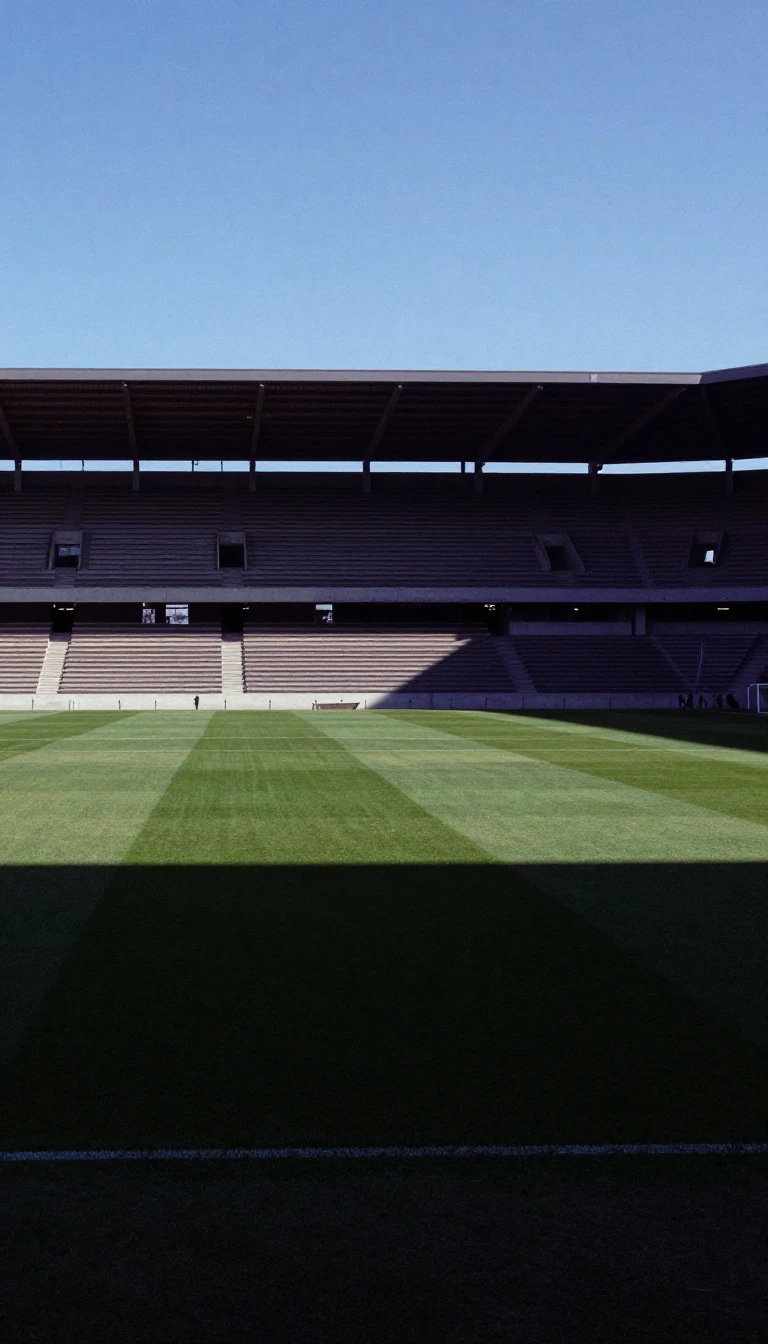 How a stadium built by a fascist architect became Albania's enduring symbol of national pride.The Qemal Stafa Stadium, designed by Gherardo Bosio during the Italian occupation, served as the home of the Albanian national football team for decades. Despite its origins under…
 How a 1912 revolt against Ottoman centralism paved the way for Albanian independenceIn 1912, Albanian nationalists launched a major uprising against the Ottoman Empire, driven by resentment toward the Young Turks' centralizing policies. This revolt, which saw sol…
- How a loose coalition of nations transformed into the world's most powerful military allianceThe Allied powers began as a modest pact to defend Poland, but evolved into a global coalition of 47 nations. Driven by the industrial might of the United States and the resilienc…
 How a Divided Austria Navigated Ten Years of Cold War Occupation and HungerFollowing World War II, Austria was partitioned into four zones governed by the major Allied powers. Despite being treated as a liberated victim of Nazi aggression, the nation end…
 Why the United States abandoned neutrality to join the Great War in 1917For over two years, the United States remained on the sidelines of the First World War, driven by a desire for peace and isolation. Yet, a combination of unrestricted submarine wa…
 How a little-known lawyer became the architect of Poland's modern political landscapeAndrzej Duda rose from relative obscurity to secure the presidency of Poland in 2015. His victory paved the way for the Law and Justice party to consolidate power, marking a signi…
 How the First World War turned German-American culture into a target for public hatredBefore 1917, many Americans were indifferent to European conflicts. Yet, within years, German-American life faced a systematic dismantling. From renaming sauerkraut to banning mus…
 Army Group Centre: The German formation that suffered the greatest defeat of the war.Created for the 1941 invasion of the Soviet Union, Army Group Centre was a cornerstone of Nazi strategy. From its initial blitzkrieg ambitions to its near-total destruction in 194…
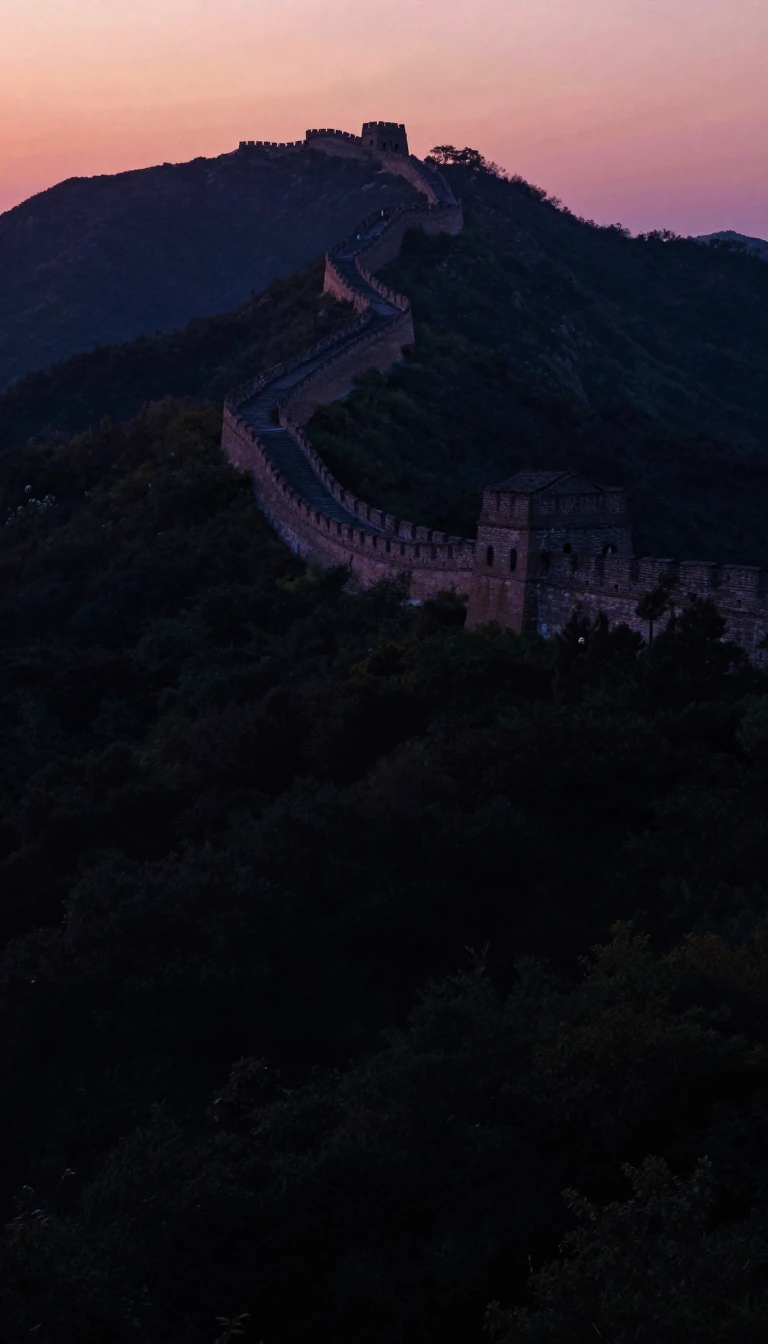 How Austria Prepared to Fight a Massive Proxy War Against the Warsaw PactDuring the Cold War, Austria developed a sophisticated defense strategy called Raumverteidigung, or Area Defense. Designed to prevent NATO from using tactical nuclear weapons on A…
 Why the Austro-Hungarian Army was a flabby, dysfunctional instrument of warThe Austro-Hungarian Army was a complex, fragmented force plagued by supply shortages, linguistic barriers, and political infighting. Despite its size, the military was hampered b…
 World War I transformed aviation from fragile observation tools into lethal, specialized combat machines.At the start of the Great War, airplanes were experimental novelties used only for spotting enemy movements. By 1918, they had evolved into high-performance fighters and bombers. …
 Two million people held hands to break the Soviet Union's grip on the Baltics.On August 23, 1989, a human chain spanning 675 kilometers connected Estonia, Latvia, and Lithuania. This peaceful demonstration, marking the 50th anniversary of the Molotov–Ribben…
- Was the 1965 Battle of Chawinda the largest tank engagement since World War II?During the 1965 Indo-Pakistani war, the Sialkot sector became the site of a massive armored clash. Often compared to the historic Battle of Kursk, this confrontation saw Indian an…
- The Battle of Saint-Mihiel marked the first American use of D-Day and H-HourFought in September 1918, the Battle of Saint-Mihiel was the first major offensive led by the United States Army in World War I. It featured the largest air operation of the confl…
 How a neutral microstate became a battlefield during the Second World WarSan Marino maintained strict neutrality throughout the Second World War, yet it could not escape the conflict. When German forces occupied the country to secure strategic mountain…
 How Belgium’s military evolved from a neutral buffer state to a global peacekeeping force.Belgium once relied on the hope that international neutrality would protect it from war. After two devastating occupations in the 20th century, the nation abandoned this defensive…
 From Imperial ambition to modern drone warfare: the turbulent history of the Black Sea FleetFounded by Prince Potemkin in 1783, the Black Sea Fleet has served as a cornerstone of Russian power for centuries. Yet, its journey from imperial expansion to the current Russo-U…
 Was the defenseless Polish town of Wieluń the true opening act of World War II?On September 1, 1939, German Luftwaffe bombers struck the undefended Polish town of Wieluń, hours before the traditional start of the war. With no military garrison or anti-air de…
- How a peat boat and a Polish division shaped a strategic Dutch fortress cityBreda was once a coveted military prize, changing hands through sieges, ruses, and royal marriages. From the daring 1590 Peat Ship infiltration to its 1944 liberation by Polish fo…
- How a policy of limited liability left Britain unprepared for the Second World WarWhen war began in 1939, the British Army was ill-equipped for a major European conflict. Decades of budget cuts and a strategic doctrine of limited liability meant the British Exp…
 From coal storage to nuclear survival: the surprising evolution of the modern bunkerOriginally a Scots term for a simple bench or coal bin, the bunker transformed into a critical military fortification during the World Wars. Today, these reinforced structures ser…
 How to legally conduct a burial at sea while ensuring remains sink permanentlyBurial at sea is a regulated practice governed by federal law. To ensure compliance with environmental standards, specific procedures must be followed to guarantee that remains re…
 The Christmas Truce: When Soldiers Defied Their Commanders for a Moment of PeaceIn December 1914, roughly 100,000 soldiers along the Western Front spontaneously laid down their arms. Amidst the brutal stalemate of the First World War, enemies crossed into no …
 How a tiny Mediterranean island defied empires to force its own unification with GreeceBetween 1898 and 1913, Crete existed in a strange geopolitical limbo. Officially an autonomous state under Ottoman suzerainty, it was effectively governed by European powers and a…
- The Danzig crisis: How a single city triggered the Second World WarDanzig, a strategic port on the Baltic, became the most dangerous city in Europe by 1939. As Nazi Germany demanded its return, the city-state became a flashpoint that forced Brita…
 How a German City of Science Survived the Devastation of a FirestormDarmstadt is celebrated today as a high-tech hub and City of Science, but its path through the 20th century was marked by tragedy. Once a ducal capital, the city suffered catastro…
 New Zealand’s transition to a dominion was a quiet, largely cosmetic constitutional shift.On September 26, 1907, New Zealand officially became a dominion, a title meant to signal political maturity within the British Empire. Yet, for most citizens, the change was barel…
 The Slow But Deadly bomber that turned the tide of the Pacific WarNicknamed the Slow But Deadly, the Douglas SBD Dauntless was an unlikely hero of World War II. Despite being ostensibly replaced by newer models in 1944, this rugged dive bomber p…
 The Elefant tank destroyer was a mechanical marvel that often destroyed itself before enemies could.Born from rejected Tiger tank chassis, the Ferdinand—later renamed Elefant—was a formidable long-range weapon. Despite its devastating 88 mm cannon, the vehicle was plagued by ext…
 Was the Fatherland Front a bulwark against Nazism or a fascist regime itself?Founded in 1933 to unify Austria under a single, authoritarian banner, the Fatherland Front aimed to protect the nation's independence from Nazi Germany. Yet, this Catholic-cleric…
 How a regional warlord turned Manchuria into a private state during China's chaotic era.The Fengtian clique, led by Zhang Zuolin, transformed Manchuria into a formidable power base during China's Warlord Era. By balancing local elite interests, foreign loans, and a c…
 Field Marshal: The British Army's highest rank, once for wartime commanders, now largely ceremonial.Field marshal is the most senior rank in the British Army, historically reserved for wartime leaders and retiring Chiefs of the General Staff. While it once represented the pinnac…
 A firestorm is a self-sustaining inferno that generates its own gale-force wind system.Most fires are driven by ambient wind, but a true firestorm creates a violent, inward-pulling vortex. By consuming oxygen at a massive scale, these conflagrations generate their o…
 Why the deadliest day in British military history was a planned catastropheOn July 1, 1916, the British Army suffered over 60,000 casualties in a single day. This horrific slaughter was not a random accident but the result of rigid, flawed planning that …
 Why Armenia's national flag was once a source of intense parliamentary debateThe Armenian tricolor of red, blue, and orange is a modern symbol, but its adoption in 1918 was fraught with controversy. Parliament members argued over the colors, with some even…
 Why thousands of Albanians are marching under the banner of the inflatable flamingoWhat began as a local land dispute over a luxury resort project has ignited a nationwide movement. Known as the Flamingo Revolution, this youth-led uprising challenges the entrenc…
- Was Field Marshal Günther von Kluge a reluctant traitor or a loyal soldier?A decorated commander of the Wehrmacht, Günther von Kluge navigated a precarious path between Nazi obedience and secret dissent. Though he accepted massive bribes from Hitler, he …
- The German Generalfeldmarschall: A Five-Star Rank Built on Privilege and Political LoyaltyThe Generalfeldmarschall was once the pinnacle of German military prestige, granting holders noble status and direct access to the monarch. Yet, under the Third Reich, the rank be…
- Why Germany’s 1914 invasion of neutral Belgium triggered a four-year struggle for national survivalIn the summer of 1914, Germany violated Belgian neutrality to bypass French defenses. The resulting invasion forced the Belgian government into exile and trapped the army in a nar…
 The disputed death toll of three million German prisoners held in Soviet labor campsAfter World War II, millions of German soldiers vanished into the Soviet Union, serving as forced labor for post-war reconstruction. While official Soviet records claimed a relati…
- How a former electrician turned Romania into a defiant, semi-autonomous Soviet satellite state.Gheorghe Gheorghiu-Dej rose from poverty to lead Romania for nearly two decades. While initially a loyal Soviet follower, he eventually pioneered a path of national communism, def…