 Intellect Plus
World wars era
717 cards. Each one is a 40-second story with a five-minute read behind it. Page 6 of 12.
 How a fake radio broadcast and a dead farmer ignited World War IIOn the eve of the invasion of Poland, Nazi Germany staged a bizarre false flag attack on its own radio station. By dressing SS officers in Polish uniforms and leaving behind drugg…
 How a revolutionary parliament in Ankara dismantled the Ottoman Empire from withinWhen Allied forces occupied Istanbul in 1920, a rival government emerged in Ankara. Led by Mustafa Kemal Pasha, this provisional assembly claimed to represent the nation while tec…
 The Grumman Wildcat was the unlikely backbone of early Pacific naval air combat.Outclassed by the agile Japanese Zero in speed and climb, the Grumman F4F Wildcat relied on rugged durability and clever tactics to survive. Despite its flaws, this carrier-based …
 Was Hermann Hoth a brilliant military strategist or a committed architect of genocide?Hermann Hoth was widely considered one of the most talented panzer commanders of World War II, yet his legacy is inseparable from his role as a war criminal. He balanced high-leve…
 Why Germany Built a Massive Defensive Wall to Save Its Exhausted Western ArmiesIn 1916, Germany’s western front was crumbling under the strain of relentless battles. To survive, commanders Hindenburg and Ludendorff ordered the construction of the Siegfriedst…
 How the First World War permanently dismantled the British Liberal Party's political dominanceThe Great War forced Britain into a state of total mobilization that shattered the Liberal Party's foundational principles. By 1918, the government had abandoned laissez-faire eco…
 How a post-war standoff in Iran became the first test of Cold War containmentAfter World War II, the Soviet Union refused to withdraw from Iran, sparking a crisis that threatened global stability. This confrontation forced the United States to adopt a new,…
 The Irgun: A Zionist Paramilitary Force That Challenged British Rule and Official LeadershipEmerging from a 1931 schism within the Haganah, the Irgun was a clandestine Zionist paramilitary organization that rejected the policy of restraint. Operating until 1948, it utili…
 How Ireland maintained a precarious neutrality while secretly aiding the Allied war effortDuring World War II, Ireland officially remained neutral, calling the conflict The Emergency. Yet, behind this facade, the state engaged in extensive intelligence cooperation with…
 Mussolini's opportunistic gamble: Why Italy invaded a collapsing France in June 1940As France crumbled under the German onslaught in 1940, Benito Mussolini saw a fleeting chance to secure imperial glory. By declaring war on a defeated neighbor, he hoped to claim …
 How Japan Used World War I to Transform from Debtor to Global PowerWhile Europe tore itself apart, Japan seized a strategic opening to expand its empire, modernize its industry, and secure a seat at the table of great powers. From naval patrols i…
 The Iron Annie: How a corrugated civilian airliner became the backbone of Nazi air power.Nicknamed Tante Ju, the Junkers Ju 52 was an unlikely military icon. Designed in the late 1920s as a reliable 17-seat airliner, its distinctive corrugated metal skin and rugged tr…
 The Junkers Ju 86: A failed bomber that found a second life in the stratosphere.Designed as a dual-purpose airliner and bomber, the Junkers Ju 86 struggled in combat due to its temperamental diesel engines. Yet, by stripping away its armor and pressurizing th…
 Why the Canadian assault on Juno Beach was a triumph of sheer persistenceOn 6 June 1944, Canadian forces faced some of the most formidable defenses along the Normandy coast. Despite rough seas, ineffective preliminary bombing, and heavy initial losses,…
 Kars: The Ancient Border Fortress That Has Changed Hands Countless Times Over CenturiesPerched on a high plateau in northeast Turkey, Kars has served as a strategic prize for empires ranging from the Bagratid Armenians to the Ottomans and Russians. This city, define…
 The Kashubians: A resilient Slavic people caught between empires for over a millenniumNative to the Pomeranian region, the Kashubians are a West Slavic ethnic group with a unique language and culture. Despite centuries of Germanization, political shifts, and the pr…
 Kortrijk: The Belgian City That Endured Centuries of Conflict to Become a Design HubStrategically positioned on the Leie river, Kortrijk has been a flashpoint for centuries, from medieval uprisings to the heavy bombing of World War II. Yet, this resilient city ha…
 Kutaisi: An ancient capital that survived invasions, empires, and the collapse of the Soviet UnionAs one of the world's oldest continuously inhabited cities, Kutaisi has served as a royal seat for millennia. From its legendary status in Greek mythology to its modern role as a …
 From Medieval Horsemen to Modern NATO Division: The Evolution of Lithuania's Military MightLithuania’s military history spans from 13th-century Grand Ducal forces to a modern, NATO-integrated army. Today, the nation enforces a doctrine of total defense, rapidly moderniz…
 The M101 howitzer: A World War II artillery icon that refuses to retireDeveloped in 1941, the M101 howitzer became the standard light field gun for the United States during World War II. Renowned for its accuracy and durability, this artillery piece …
 The M1917 Browning machine gun: A water-cooled legend that outlasted the wars it foughtBorn from a 1900 patent, the M1917 Browning was a heavy machine gun that defied expectations. Despite late arrival in World War I, its exceptional reliability and sustained-fire c…
 The M3 Stuart: A legendary light tank that fought from World War II to 2014Known to the British as the Honey for its smooth ride, the M3 Stuart was a versatile American light tank. Though often outgunned in direct tank-on-tank combat against heavy armor,…
 Forty-one individuals held the rank of Marshal of the Soviet Union before its dissolution.Created in 1935, this prestigious military title was the pinnacle of Soviet command. While intended for elite soldiers, the rank was also bestowed upon political figures and intel…
 Mihály Károlyi: The Aristocrat Who Tried to Reorient Hungary Before the Great WarBefore the collapse of the Austro-Hungarian Empire, Count Mihály Károlyi sought a radical shift in foreign policy. He advocated for friendship with nations beyond Germany and prop…
 Why Italy’s entry into World War II became a succession of military disastersMussolini joined the war in 1940, expecting a quick victory and territorial spoils. Instead, Italy faced a series of crushing defeats across Europe, Africa, and Russia. With poor …
 Beyond the battlefield: How British ingenuity and intelligence shaped the Second World WarThe British war effort was not merely a matter of soldiers on the front lines. It was a complex machine of meteorology, codebreaking, espionage, and industrial mobilization. From …
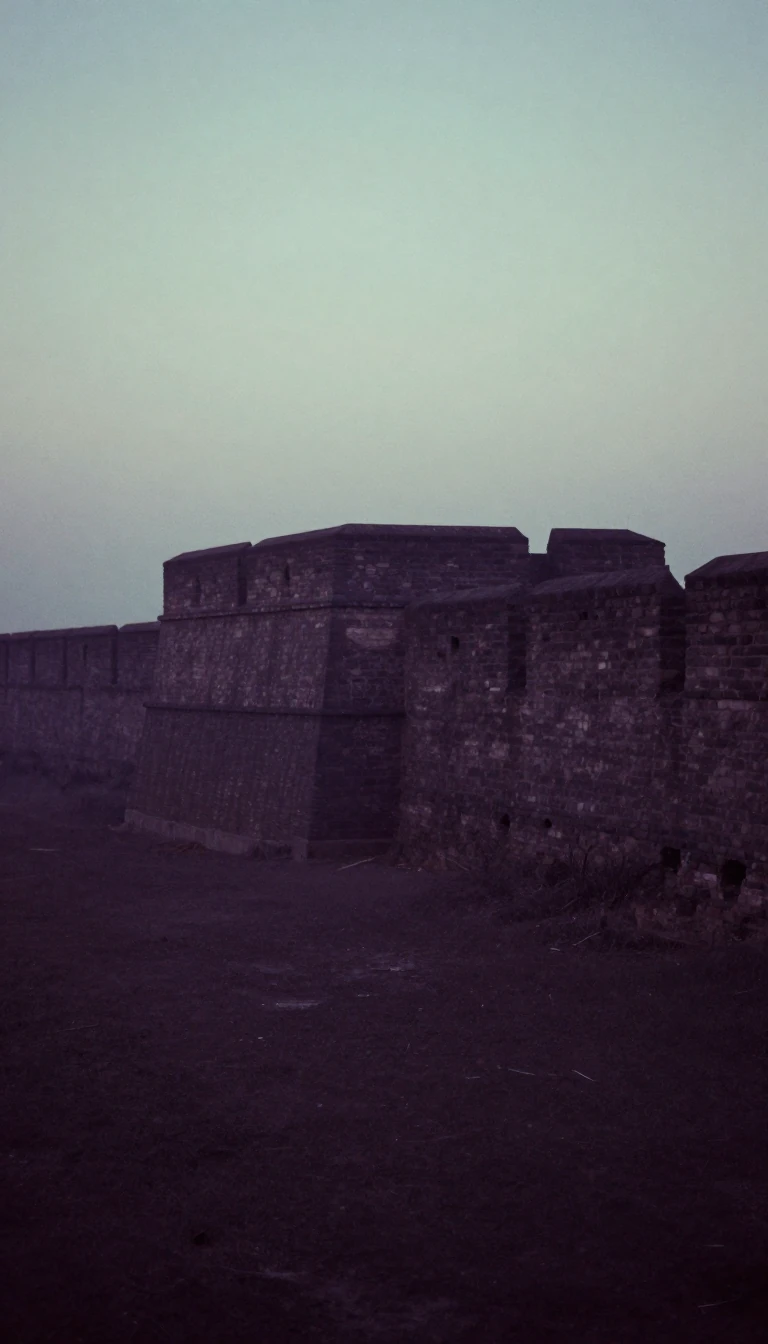 Why thousands of soldiers remain missing in action decades after their final battlesBecoming missing in action is an occupational hazard of warfare as old as combat itself. From the fog of war to the total disintegration of remains by high-explosive munitions, id…
 How a Buddhist Theocracy and Soviet Power Collided to Forge Modern MongoliaIn 1921, Mongolia transformed from a fragile theocracy under Chinese occupation into a Soviet-aligned republic. This revolution was not a simple uprising but a complex geopolitica…
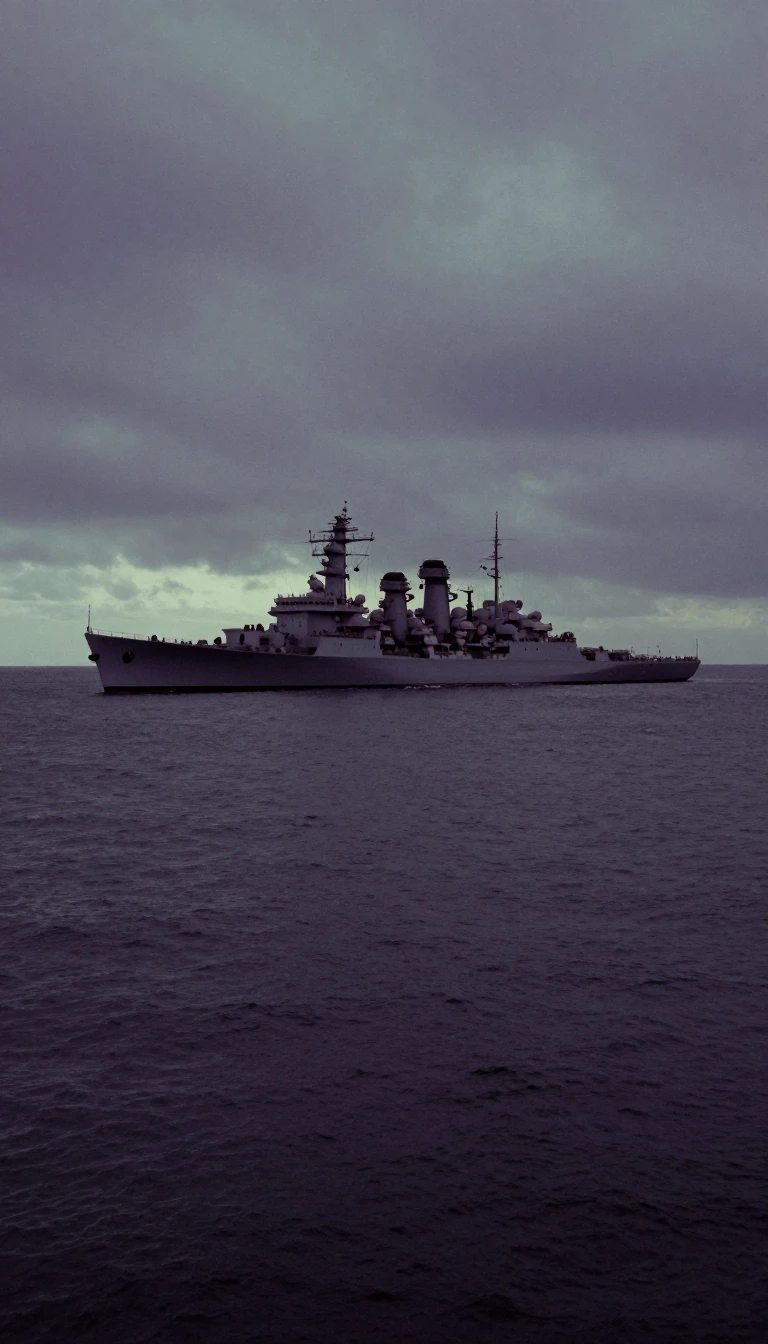 The Naval Battle of Guadalcanal was fought at terrifyingly close, point-blank rangeFought in the pitch-black waters of the Solomon Islands in November 1942, this clash remains unique in modern naval history. With warships engaging at near-contact distances, the …
 How two 17th-century paintings survived Nazi plunder to surface in OhioIn 2025, two Dutch masterpieces appeared at a small Ohio auction with a $225 estimate. Vigilant observers spotted cryptic markings on the back, revealing they were stolen from the…
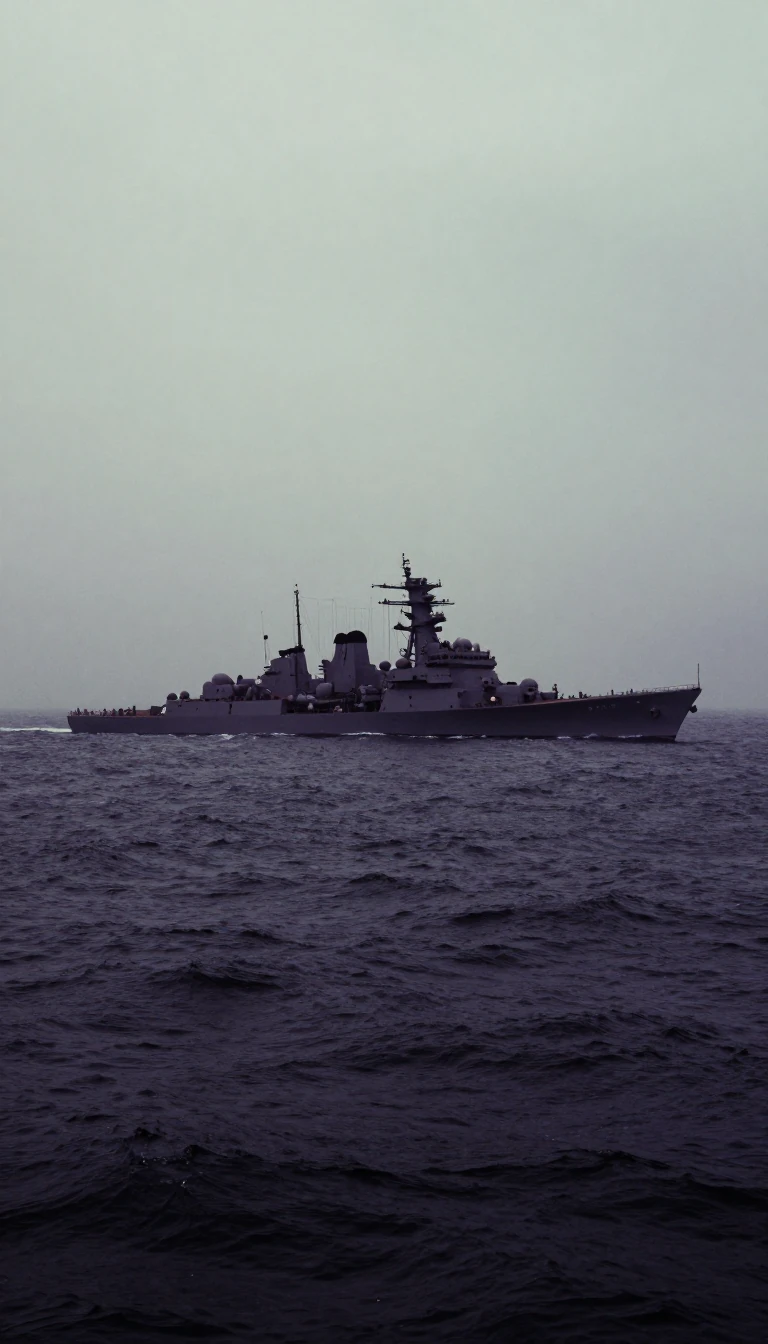 Why the brutal New Guinea campaign became a graveyard for the Japanese militaryThe New Guinea campaign was one of the most arduous struggles of World War II. While combat was fierce, the true killer was not the enemy, but disease and starvation. By the end, …
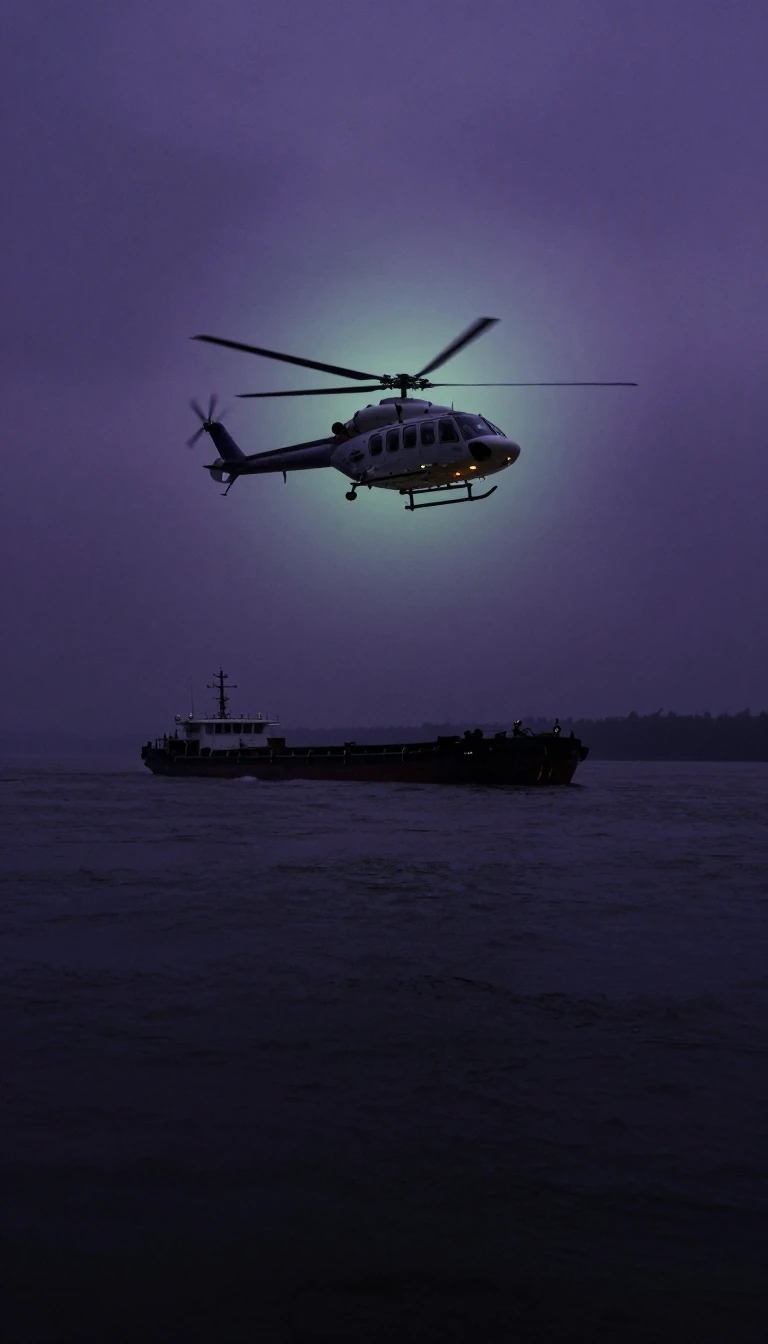 A downed Japanese pilot sparked a week-long battle on a remote Hawaiian island.After crash-landing on Niʻihau on December 7, 1941, a Japanese pilot was initially treated with hospitality by local residents. However, once the islanders learned of the Pearl Ha…
 How a minor strategic delay allowed Germany to seize Norway in a single dayIn April 1940, Britain and Germany raced to secure Norway’s critical ports. While the Allies argued over the timing of a preemptive mining operation, Hitler launched a decisive, m…
 How a strategic Black Sea port became a Soviet Hero City through sheer enduranceNovorossiysk is more than a bustling industrial hub; it is a site of ancient Greek trade and a pivotal military stronghold. During World War II, its defense against Axis forces be…
- How a short-lived military administration carved the modern map of the Middle EastBetween 1918 and 1920, the Occupied Enemy Territory Administration governed former Ottoman provinces through a complex web of British, French, and Arab military control. This temp…
 The Forgotten Invasion: How Operation Dragoon Liberated Southern France in Four WeeksWhile Normandy dominates the history books, the August 1944 invasion of Southern France was a strategic masterstroke. Initially delayed by resource shortages and intense political…
 In a single night, the Soviet Union abducted thousands of German scientists and engineers.On October 22, 1946, Soviet forces executed a massive, secret operation to transplant German technical expertise to the USSR. Over 6,000 people—including scientists, families, and…
 Hitler's final major offensive of World War II was a desperate gamble for oil.In March 1945, Germany launched Operation Spring Awakening in Hungary. The goal was to secure the last significant oil reserves available to the Axis powers and prevent a Soviet a…
 The Panzer I was a training tank that accidentally led Germany's early armored blitzkriegs.Designed as a clandestine training vehicle to circumvent the Treaty of Versailles, the Panzer I was never intended for frontline combat. Yet, this under-armored, machine-gun-only …
 How a tiny Balkan nation became the world's most isolated Stalinist fortress state.From 1946 to 1991, Albania operated as a rigid, totalitarian dictatorship under Enver Hoxha. By rejecting both Western influence and the shifting ideologies of the Soviet Union an…
- The teenage king who escaped a coup by drainpipe only to lose his thronePeter II of Yugoslavia was just 17 when he was proclaimed of age following a pro-British coup in 1941. He fled his country as Axis forces invaded, spending the war in exile. Despi…
 The fall of the Philippines remains arguably the most devastating military defeat in American history.Following the attack on Pearl Harbor, Japanese forces launched a swift invasion of the Philippines. Despite being warned, U.S. air defenses were caught on the ground, leading to t…
 Oliver Stone's Platoon: A Brutal Cinematic Portrait of the Vietnam War ExperienceReleased in 1986, Platoon remains a definitive depiction of the Vietnam War. Directed by Oliver Stone and based on his own time as a volunteer, the film follows a young recruit na…
- Why did British forces forcibly return 45,000 Cossacks to the Soviet Union after 1945?Following World War II, British commanders in Austria faced a logistical crisis and a tense border standoff with Yugoslav forces. To stabilize the region and ensure the return of …
 The Schlieffen Plan was not a rigid blueprint for victory but a flexible strategic concept.History often remembers the Schlieffen Plan as a fixed, doomed blueprint for German victory in 1914. In reality, it was a fluid, evolving set of contingency plans. Far from a dogm…
 The forgotten 1914 siege that pioneered modern naval air combat and trench warfareWhile the world watched the Western Front, a smaller, decisive campaign unfolded in China. Japan and Britain joined forces to seize a German naval base, deploying innovative tacti…
 Slovakia's long road to sovereignty: from the Highlands of Hungary to independent nationhoodFor centuries, the ancestors of modern Slovaks lived as subjects of the Hungarian crown, defined by their geography rather than a distinct national identity. It took the collapse …
- Stalin’s lethal shadow: The secret history of the Soviet Union’s SMERSH counter-intelligence agencyFormed in 1943, SMERSH was a portmanteau of the Russian phrase for death to spies. While its primary mission was to neutralize Nazi infiltrators, this sprawling security apparatus…
 Why Napoleon’s 1812 invasion of Russia stalled at the gates of sacred SmolenskNapoleon Bonaparte entered Russia with over half a million soldiers, seeking a swift, decisive victory to force a surrender. Instead, he found himself bogged down in a brutal, att…
 The Soviet Army was a massive, shifting machine that defined the Cold War era.From its post-WWII peak of over 11 million personnel to its final dissolution in 1992, the Soviet Army was the world's largest land force. It reshaped Eastern Europe, fought proxy…
 How a 1940 Soviet ultimatum reshaped Eastern Europe without a single shot firedIn June 1940, the Soviet Union demanded Romania surrender Bessarabia and Northern Bukovina under threat of invasion. Facing isolation after the fall of France and lacking support …
 Was the Soviet Union a victim or a partner in the Second World War?Common narratives suggest the Soviet Union entered the conflict only when attacked in 1941. Yet, historical records reveal a different reality: Moscow acted as a strategic collabo…
- How Imperial Germany’s elite stormtroopers attempted to shatter the stalemate of trench warfareBy 1915, the Great War had devolved into a static, bloody impasse. To break the lines, the German Army developed Stoßtruppen: specialized shock troops trained to bypass strongpoin…
 How the Treaty of Lausanne forged the modern Republic of Turkey from imperial ruinsSigned in 1923, the Treaty of Lausanne was the definitive conclusion to World War I. It replaced the failed Treaty of Sèvres, formalizing the independence of the new Republic of T…
 The Triple Alliance was a military pact built on mutual suspicion and secret agendasFormed in 1882, the Triple Alliance linked Germany, Austria-Hungary, and Italy in a defensive web. Yet, beneath the formal signatures lay deep-seated rivalries and conflicting col…
 How American economic might and naval strategy turned the tide of World War IThe United States entered World War I not just with soldiers, but with a financial and industrial engine that saved the Allies from collapse. By 1917, Britain and France were exha…
- The battleship that ended World War II and became a Cold War iconCommissioned in 1944, the USS Missouri stands as the final battleship ever built for the United States Navy. From hosting the Japanese surrender in Tokyo Bay to serving as a strat…
 Vagharshapat: The Ancient Spiritual Capital That Has Been Renamed and Rebuilt for MillenniaVagharshapat is a city of many names and identities. Once the capital of the Arsacid Kingdom, it became the spiritual heart of Armenia as the home of the Mother See of Holy Etchmi…
 The Czechoslovak bolt-action rifle that armed global conflicts for over four decadesEngineered in the wake of World War I, the Vz. 24 became a global staple of infantry warfare. From the trenches of the Spanish Civil War to the jungles of Vietnam, this versatile …
 A short-lived state held the oil-rich heart of Eastern Europe for nine months.Proclaimed in 1918 as the Austro-Hungarian Empire dissolved, the West Ukrainian People's Republic governed with surprising administrative order. Yet, it faced immediate existentia…