 Intellect Plus
Wars & Conflicts
5,856 cards. Each one is a 40-second story with a five-minute read behind it. Page 54 of 98.
Subtopics: 19th-century wars · American Civil War · Ancient & biblical wars · Castles & fortifications · Civil wars · Codebreaking & espionage · Cold War · D-Day & Normandy · Early modern wars · Knights & chivalry · Korean & Vietnam wars · Medieval wars · Military aviation · Military strategy & leaders · Military technology · Naval warfare · Other wars & battles · Ottoman wars · Pacific War · Peace treaties & aftermath · Roman wars · Submarines · Tanks & armoured vehicles · The Crusades · UK & Ireland: wars · Uniforms & medals · Viking raids & wars · War and military · War memorials & museums · Wars since 1945 · Western Front (WWI) · World War I · World War II · World wars era
 The Soviet PT-76: A Cold War Amphibious Tank That Could Swim Into BattleIntroduced in the early 1950s, the Soviet PT-76 was a revolutionary light tank designed to cross water obstacles with minimal preparation. Featuring an innovative water-jet propul…
 The US Navy's Mosquito Fleet: How a Brutal Plywood Derby Defined World War IIDuring World War II, the US Navy relied on small, fast, and agile patrol torpedo boats to harass enemy ships. Yet, these vessels were notoriously fragile. To find a design that co…
 Why did a Roman emperor execute his own cousin, the King of Mauretania?Ptolemy of Mauretania was a wealthy, Roman-allied king whose prosperity and independence eventually cost him his life. Executed by Caligula in AD 40, his death triggered a massive…
 Why the title of queen dowager is more than just a royal widowhoodA queen dowager is the widow of a king, but the title carries complex nuances. While it signals her status as a former consort, it does not grant her automatic succession rights. …
 The quiet architect of terror who orchestrated the largest bank heist in historyWhile his brother Uday was known for flamboyant cruelty, Qusay Hussein operated in the shadows as his father's chosen successor. He managed the regime's most brutal security appar…
 How a law designed to dismantle the Mafia became a tool for everything elseThe Racketeer Influenced and Corrupt Organizations Act, or RICO, was enacted in 1970 to dismantle organized crime syndicates like the Mafia. Yet, its broad language allowed prosec…
 Why military raiders strike fast and vanish before the enemy can fight backA raid is not a battle for territory; it is a surgical strike designed to exhaust, confuse, or dismantle an enemy from within. Whether by ancient sea-faring warriors or modern com…
 Why did a Kenyan engineer spend six years in prison without a trial?Raila Odinga was a prominent mechanical engineer and businessman before becoming a central figure in Kenyan politics. His career was defined by persistent opposition to one-party …
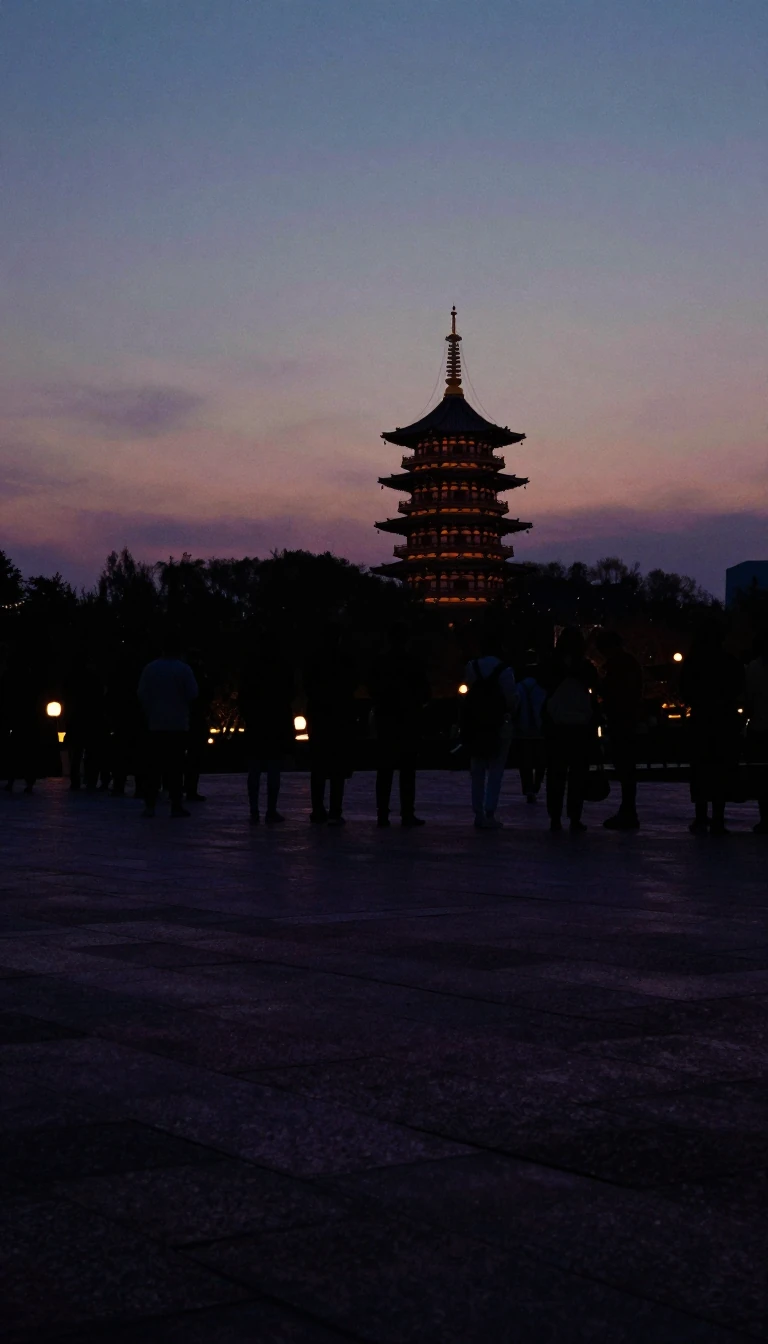 How a bloody palace massacre turned a minor noble into Nepal's hereditary dictatorIn 1846, a mysterious murder triggered the Kot Massacre, a brutal purge that allowed Jung Bahadur Rana to seize control of Nepal. By reducing the monarchy to a ceremonial figurehe…
 The New Reich Chancellery was designed to intimidate diplomats with a 150-meter gallery.Commissioned by Adolf Hitler in 1938 and completed in under a year, the New Reich Chancellery was a monument to architectural intimidation. Its grand, sprawling design was intende…
 How Reince Priebus transformed the Republican National Committee from debt to dominanceBefore his tenure as White House Chief of Staff, Reince Priebus orchestrated a massive operational and financial overhaul of the Republican National Committee. By repairing the pa…
 Is the violence in Nigeria a targeted religious genocide or a complex security crisis?Nigeria faces persistent cycles of violence, often framed as a religious war between Christians and Muslims. While international observers and some political figures describe the …
 Why did British forces forcibly return 45,000 Cossacks to the Soviet Union after 1945?Following World War II, British commanders in Austria faced a logistical crisis and a tense border standoff with Yugoslav forces. To stabilize the region and ensure the return of …
 Why India celebrates its republic status on a date chosen twenty years earlierIndia’s Republic Day marks the moment the nation transitioned from a British dominion to a sovereign republic in 1950. While the constitution was finalized in 1949, the specific d…
 The Republic of Cuba (1902–1959) was a nation defined by sugar and U.S. influence.Between its formal independence from Spain and the 1959 Revolution, Cuba functioned as a client state of the United States. While the island achieved notable technological milesto…
 South Korea maintains a formidable military force designed primarily to deter northern aggressionSouth Korea operates one of the world's most significant standing militaries, defined by compulsory service and a deep strategic partnership with the United States. While its prim…
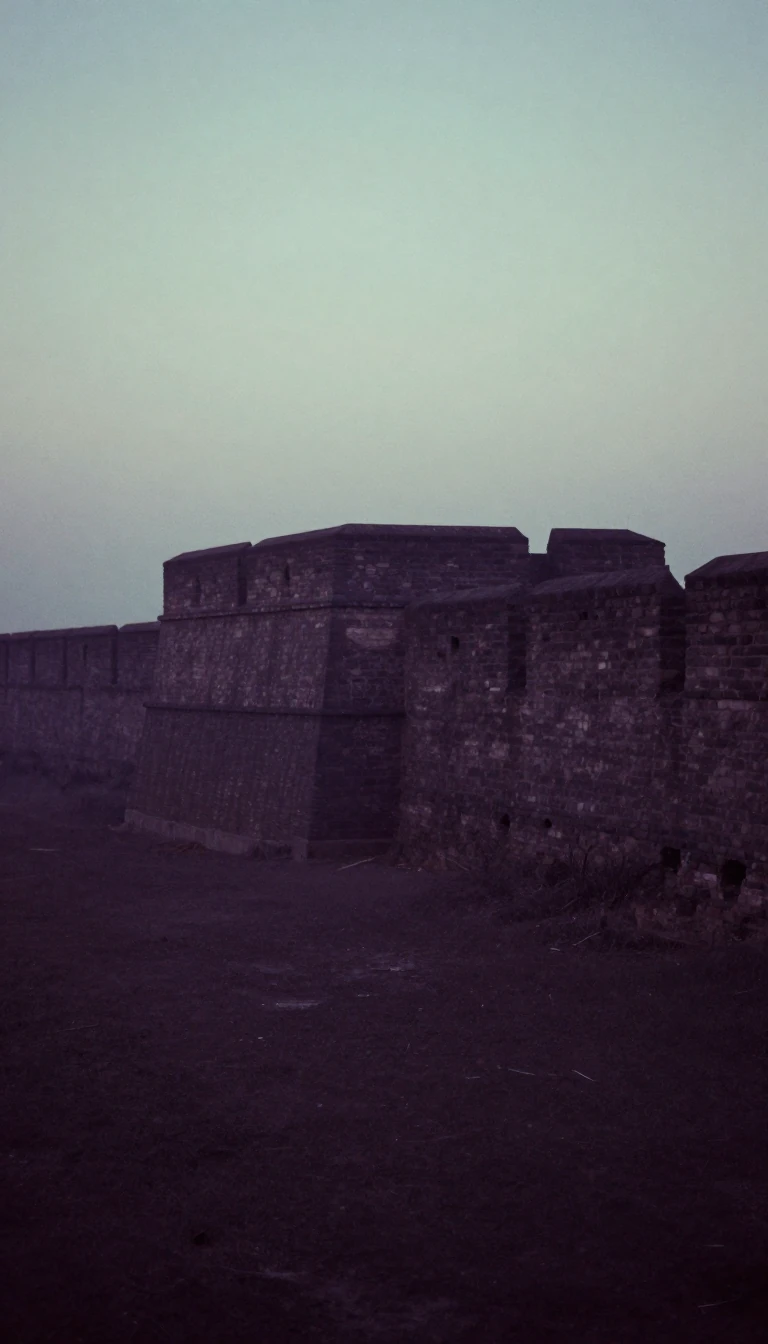 How South Korea's Marine Corps evolved from a small anti-guerilla unit into a strategic forceFounded in 1949 with just 380 men and secondhand Japanese equipment, the Republic of Korea Marine Corps has transformed into a 29,000-strong elite force. Known as the Ghost Killer…
 The short-lived Republic of Mahabad remains a pivotal, contested chapter in Kurdish history.In 1946, a self-governing Kurdish state emerged in northwestern Iran, backed by Soviet interests but plagued by tribal instability. Lasting less than a year, the Republic of Mahab…
 The Republican insurgency in Afghanistan: A persistent, guerrilla-led challenge to Taliban ruleFollowing the 2021 fall of Kabul, a diverse coalition of former Afghan security personnel and local militias launched an ongoing insurgency against the Taliban. Operating primaril…
 How a self-proclaimed quasi-state emerged from the collapse of Yugoslavia in 1992During the Bosnian War, Republika Srpska functioned as an unrecognized entity under the control of its own military. Born from the dissolution of Yugoslavia, it sought to secure t…
 How a Marxist guerrilla army fought for 52 years before trading guns for politicsFormed in 1964 as a rural military wing of the Colombian Communist Party, the FARC grew into the largest rebel group in the country. For over five decades, they balanced Marxist-L…
 How one reporter spent two decades riding the train of history through war zonesRichard Engel, NBC's chief foreign correspondent, has spent twenty years documenting the most volatile conflicts of the modern era. From the front lines of the Iraq War to the cha…
 Was Robert III of Scotland truly the kingdom's most ineffective and tragic monarch?Robert III, born John Stewart, ascended the Scottish throne in 1390 amidst a landscape of fractured authority and familial rivalry. Often remembered as a broken, powerless figure,…
 How a gritty 1980s television series redefined the legendary outlaw Robin Hood foreverRobin of Sherwood broke the mold of traditional folklore adaptations by blending historical realism with dark, pagan mythology. This cult classic introduced a Saracen outlaw and s…
- How Rome turned military defeat into a unique engine for long-term imperial survivalUnlike the rigid city-states of Greece or the fragile kingdoms of Macedon, Rome treated military expansion as a political necessity. By embedding citizenship and allied incorporat…
 Why did Rome spend decades fighting to conquer a rugged land of mountain mines?Dacia was a formidable regional power that once threatened the Roman Empire's stability. From its rise under King Burebista to its eventual conquest by Trajan, the territory becam…
 From hot air balloons to F-35s: the evolution of the Romanian Air ForceThe Romanian Air Force has transformed from a pioneer of early aviation into a modern NATO-integrated power. Once reliant on Soviet-era MiGs, the service now operates advanced F-1…
 How a self-described contrarian became a leading voice in American conservative thoughtBorn into a liberal family, Ross Douthat defined his identity through a mild rebellion against his surroundings. From his early days editing a conservative campus newspaper to his…
 Why the 1919 Rowlatt Act triggered the end of British rule in IndiaKnown as the Black Act, this colonial law allowed the British to imprison Indians without trial for up to two years. It was designed to crush nationalist dissent, but instead, it …
 Why the Soviet-designed RPG-7 remains the world's most widely used anti-armor weaponRugged, inexpensive, and deceptively simple, the RPG-7 has defined modern irregular warfare for over six decades. From the jungles of Vietnam to urban conflicts in Northern Irelan…
 How the RPK evolved from a simple Kalashnikov variant into a global squad weaponDeveloped in the early 1960s to standardize Soviet small arms, the RPK transformed the Kalashnikov platform into a dedicated light machine gun. By balancing shared parts with spec…
 Why the world’s most enduring travel snack is simply bread baked twiceFrom the Dutch beschuit to South African rusks, the twice-baked biscuit is a global staple. Originally a clever survival hack for long sea voyages and military campaigns, this roc…
- The Russian Ground Forces were born from the chaotic collapse of the Soviet Union.Formed in 1992, the Russian Ground Forces inherited a massive, crumbling military structure and a culture of deep-seated corruption. From the withdrawal of divisions across Easter…
 Can a heavy metal band effectively teach the history of global warfare?Sabaton, a Swedish power metal band, has built a massive career by turning historical battles into anthems. While they reject the power metal label, their commitment to documentin…
- The Sabines: How a Mountain Tribe Became the Bedrock of Roman IdentityThe Sabines were an ancient Italic people who helped build the foundation of Rome. While legend highlights their abduction by early Romans, their true influence was far deeper, sh…
 The complex legacy of Saif al-Islam Gaddafi, Libya's enigmatic and controversial heir apparent.Saif al-Islam Gaddafi was once viewed by the West as a reformist bridge to Libya, yet he ultimately became a pariah facing charges of crimes against humanity. From negotiating int…
 How a Caribbean plantation colony became the engine of the French eighteenth-century economySaint-Domingue was France's most prosperous New World possession, a sugar-producing powerhouse built on the labor of enslaved Africans. By the 1780s, this tiny territory accounted…
 A Caribbean island's violent past and its transformation into a protected national parkSaint John, the smallest of the three main U.S. Virgin Islands, holds a complex history of colonial sugar plantations, a brutal 1733 slave insurrection, and a strategic purchase b…
 Why the man on the ten-thousand-dollar bill never became presidentSalmon P. Chase held high-ranking roles in every branch of the American federal government, yet his lifelong obsession with the presidency remained unfulfilled. A brilliant legal …
- How a biographical war drama captured the life of India's first field marshalSam Bahadur chronicles the illustrious military career of Sam Manekshaw, from his early days at the Indian Military Academy to his pivotal leadership during the 1971 war. Directed…
 From digging trenches to building bridges, the sapper is the battlefield's essential architect.The term sapper originates from the French word for spade, describing soldiers who dug tunnels to collapse enemy fortifications. Today, these combat engineers are the unsung maste…
 Sardis: The Ancient Lydian Capital Where Gold and Silver Coins Were First MintedPerched on a mountain spur in modern Turkey, Sardis was once the heart of a flourishing kingdom and the western end of the Persian Royal Road. From its legendary wealth under King…
- The Schlieffen Plan was not a rigid blueprint for victory but a flexible strategic concept.History often remembers the Schlieffen Plan as a fixed, doomed blueprint for German victory in 1914. In reality, it was a fluid, evolving set of contingency plans. Far from a dogm…
 From royal bodyguards to frontline soldiers: the centuries-long evolution of the Scots Guards.Tracing its lineage to a 1642 commission by King Charles I, the Scots Guards have served as both ceremonial protectors of the monarchy and battle-hardened infantry. From the blood…
 Long before the Mayflower, Scottish explorers were already scouting the North American wilderness.While popular history often centers on later migrations, the Scottish presence in North America began with Viking expeditions in 985. From enslaved scouts gathering grapes in Vinl…
 The Soviet Scud missile is a direct descendant of Nazi-era German rocket technology.Though synonymous with modern terror tactics, the Scud began as a Cold War Soviet adaptation of German rocket designs. Originally intended for nuclear strikes in Europe, these imp…
 How a journalist’s brush with death and war reporting redefined his view of humanitySebastian Junger is best known for chronicling the raw reality of combat and the perils of the sea. Yet, his career is defined by a deeper anthropological curiosity about human be…
- Was the American Union designed to be a permanent, unbreakable bond between states?The American Civil War settled the question of secession, but the debate over whether states could voluntarily leave the Union defined early U.S. politics. While some founders vie…
- How a scandal over rancid cooking fat triggered the collapse of Syrian democracySyria's early independence was a volatile experiment in governance, defined by rapid cabinet turnover and shifting constitutions. The instability reached a breaking point in 1949,…
- In 1958, the United States and China nearly triggered a nuclear war over islands.The Second Taiwan Strait Crisis saw the People's Republic of China bombard islands held by the Republic of China, testing American resolve. The U.S. Joint Chiefs of Staff prepared…
- Born from the Soviet KGB, Ukraine's security agency has evolved into a complex military force.The Security Service of Ukraine, or SBU, emerged in 1991 from the remnants of the Soviet KGB. Tasked with counter-intelligence and national security, the agency has faced decades …
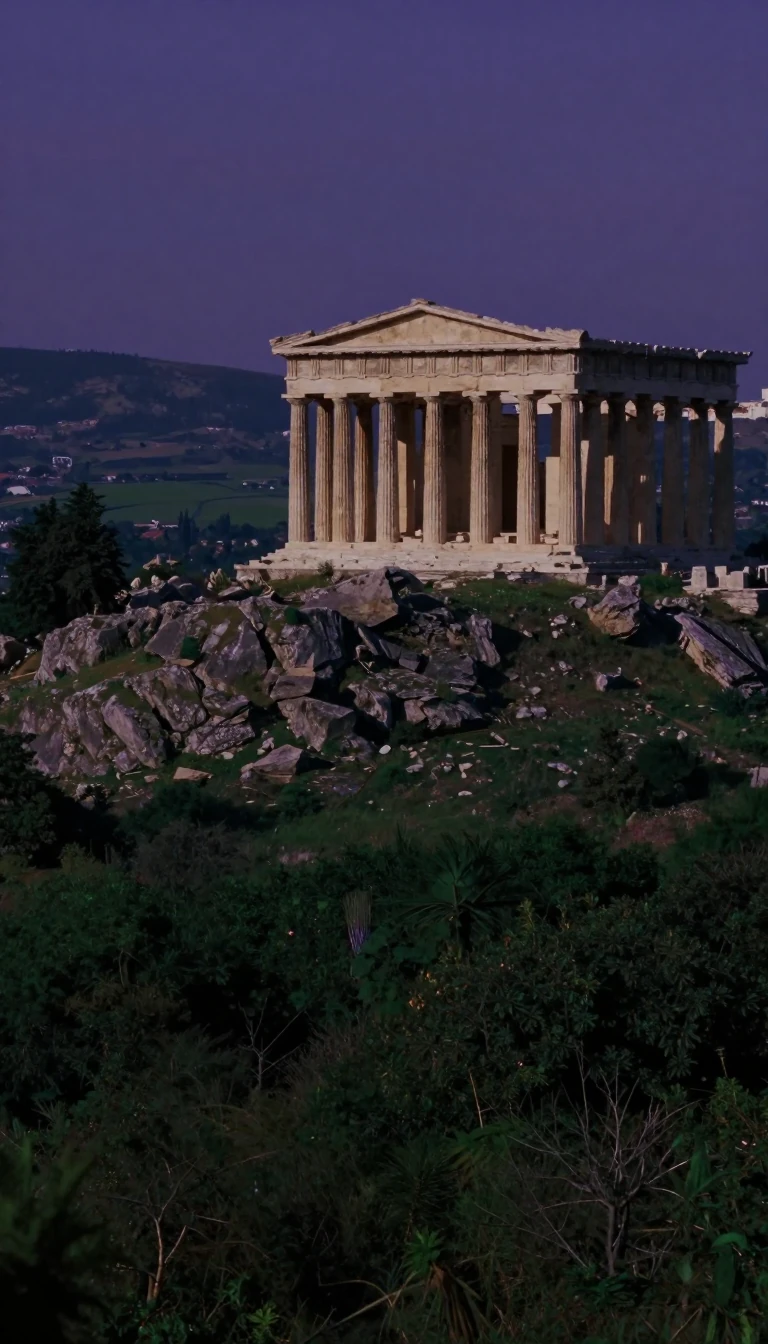 Seleucia on the Tigris: The Hellenistic Metropolis That Once Rivaled Rome and AlexandriaFounded by Seleucus I Nicator as an eastern capital, Seleucia on the Tigris became a massive center of trade and culture. It flourished under both Seleucid and Parthian rule, hous…
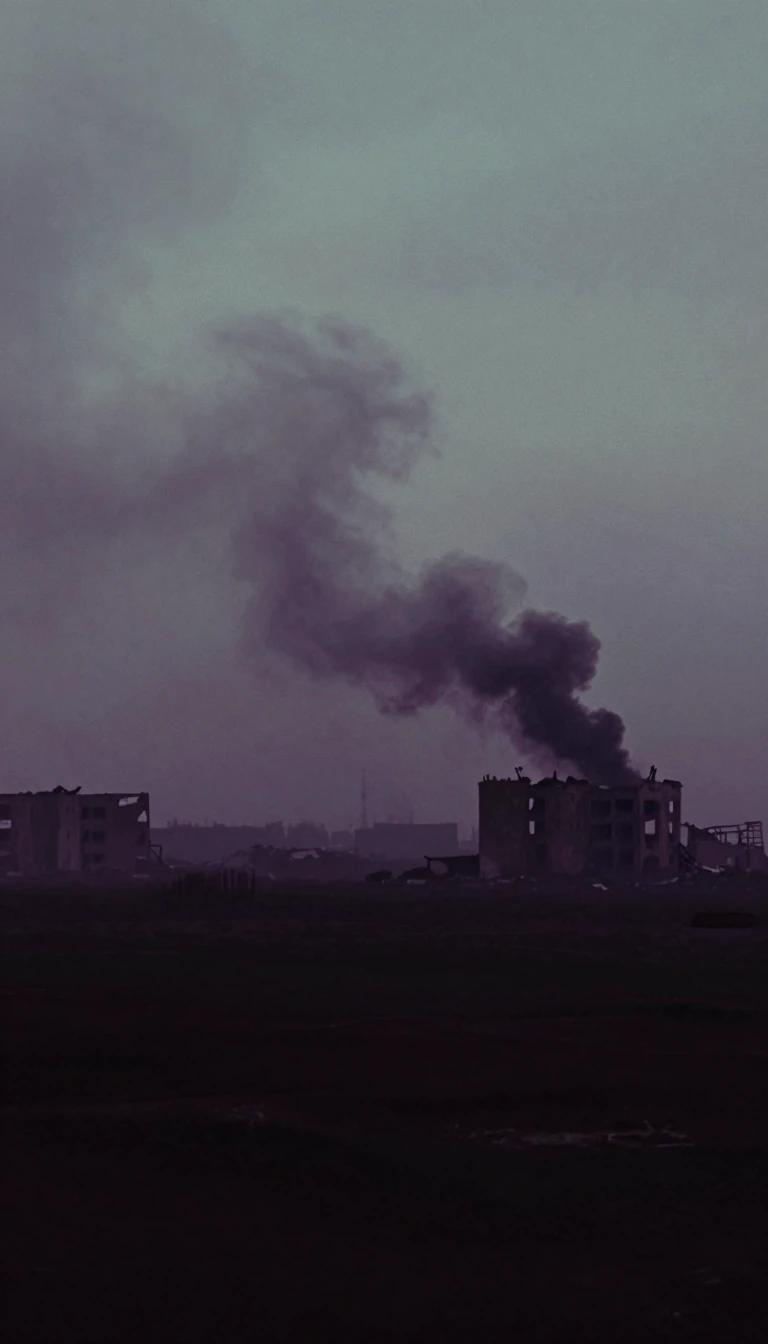 Why mobile anti-aircraft systems are the ultimate defensive shield for modern ground forcesA self-propelled anti-aircraft weapon is a mobile fortress designed to neutralize aerial threats on the move. By combining rapid-fire guns or sophisticated missiles with armored p…
 How a Persian word for infantryman became the backbone of European colonial powerThe sepoy was more than a soldier; he was a globalized military worker. Originating from the Persian term for infantry, these indigenous troops were the primary force behind Europ…
 In 1792, Paris descended into a five-day frenzy of state-sanctioned prison executions.As Prussian armies marched on Paris, fear of a prison-based counter-revolutionary conspiracy ignited a wave of violence. Between September 2 and 6, 1792, thousands of prisoners we…
 The Septinsular Republic was the first autonomous Greek state since the Byzantine Empire fell.Formed in 1800 after a joint Russo-Ottoman fleet evicted French forces, the Septinsular Republic governed the Ionian Islands. Though islanders craved independence, they were grant…
 The medieval sergeant was a versatile warrior considered worth half of a knightToday, the sergeant is a familiar non-commissioned officer, but the title began as a humble designation for servants with protective duties. In the medieval era, these soldiers we…
 Seven Days to the River Rhine: The Soviet Plan for Nuclear World War IIIIn 1979, the Warsaw Pact developed a top-secret simulation for a seven-day nuclear conflict against NATO. The plan envisioned a devastating first strike on Polish and Czechoslovak…
- Shelby Foote: The Novelist Who Became the Voice of the American Civil WarShelby Foote was a novelist who spent twenty years writing a massive, three-volume history of the American Civil War. Though he lacked formal training as a historian, his narrativ…
 From hollow iron balls to precision-engineered munitions, the evolution of the explosive shell.Originally simple gunpowder-filled spheres, shells have transformed into complex, aerodynamic projectiles. Once limited by unpredictable fuses and thick, heavy casings, modern art…