 Intellect Plus
Wars & Conflicts
5,856 cards. Each one is a 40-second story with a five-minute read behind it. Page 52 of 98.
Subtopics: 19th-century wars · American Civil War · Ancient & biblical wars · Castles & fortifications · Civil wars · Codebreaking & espionage · Cold War · D-Day & Normandy · Early modern wars · Knights & chivalry · Korean & Vietnam wars · Medieval wars · Military aviation · Military strategy & leaders · Military technology · Naval warfare · Other wars & battles · Ottoman wars · Pacific War · Peace treaties & aftermath · Roman wars · Submarines · Tanks & armoured vehicles · The Crusades · UK & Ireland: wars · Uniforms & medals · Viking raids & wars · War and military · War memorials & museums · Wars since 1945 · Western Front (WWI) · World War I · World War II · World wars era
 Why a tiny Indian town bears a name often misattributed to a French commanderMahe is a picturesque enclave on India's Malabar Coast with a history defined by colonial tug-of-war. While many assume its name honors the French officer Bertrand Francois Mahe d…
 Majorian: The Last Roman Emperor Who Actually Tried to Save the EmpireBetween 457 and 461, Majorian launched a vigorous military campaign to reclaim lost Roman territories. He defeated the Visigoths, subdued the Burgundians, and prepared a massive f…
 The man-at-arms was a professional soldier, not necessarily a knight of noble birth.For centuries, the man-at-arms defined the battlefield as a heavily armored cavalryman. While often confused with the knightly class, this role was defined by military function ra…
 The Last Survivor of an Amazonian Tribe Who Lived Alone for DecadesFor nearly thirty years, one man lived in total isolation within the Brazilian Amazon. Known only by the deep, mysterious holes he dug inside his huts, he was the final survivor o…
 How a Yorkist Princess Became the Most Formidable Political Strategist in Medieval EuropeMargaret of York was more than a royal bride. As Duchess of Burgundy, she navigated the treacherous dynastic wars of the 15th century, outmaneuvered French kings, and acted as a k…
 The last of the Plantagenets: how a royal countess survived the Wars of the RosesMargaret Pole, Countess of Salisbury, was a rare survivor of the bloody Wars of the Roses and one of England's few independent peeresses. Despite her royal blood and close friends…
 Mariana of Austria: The Queen who navigated a collapsing empire and a dying dynastyAs Queen of Spain and regent for her sickly son, Mariana of Austria faced a perfect storm of economic collapse, constant warfare, and the genetic decline of the Habsburg line. Her…
 From ancient boarding bridges to modern littoral warfare, the evolution of the marineMarines are military personnel trained to operate on both land and sea, specializing in amphibious warfare. While their origins trace back to ancient boarding tactics, their moder…
 Napoleon's Marshals: A Civil Dignity That Defined the Military Elite of an EmpireEstablished in 1804, the Marshalate was not a military rank but a prestigious civil dignity. Napoleon used these appointments to reward loyalty, secure his regime, and manage a vo…
 Forty-one individuals held the rank of Marshal of the Soviet Union before its dissolution.Created in 1935, this prestigious military title was the pinnacle of Soviet command. While intended for elite soldiers, the rank was also bestowed upon political figures and intel…
 The British Empire’s most iconic coastal defense was named after a simple spelling error.Inspired by a Corsican fortress, the British built a global network of Martello towers to repel Napoleon. These squat, cannon-proof structures became a signature of 19th-century c…
 How a military junta tried to save a collapsing communist state in 1981 PolandIn December 1981, General Wojciech Jaruzelski declared martial law to crush the Solidarity movement and prevent economic collapse. Tanks rolled into streets, telephone lines were …
- How an aging governor seized a crumbling empire to found a lasting dynastyMarwan I ascended the throne in 684 as an elderly man in failing health, yet he managed to stabilize the fractured Umayyad state. By securing tribal alliances and positioning his …
- How a Scottish Princess Used Infrastructure and Piety to Legitimize a Norman KingMatilda of Scotland, born Edith, was more than a royal bride. By marrying Henry I, she bridged the divide between Norman rulers and their Anglo-Saxon subjects. Beyond her politica…
 From ancient Berber kingdoms to the legendary Land of the MoorsMauretania was far more than a Roman province. It was a sovereign kingdom of Berber dynasties, a hub of Greco-Roman luxury, and a persistent frontier of Romano-Moorish resistance.…
 The last Roman emperor to hold the ancient title of Pharaoh of EgyptMaximinus Daza was a Roman ruler whose reign ended a 3,400-year-old tradition. While he is remembered in Christian annals for his brutal persecutions and dissolute lifestyle, he a…
 The Messerschmitt Me 262 was the world's first operational jet-powered fighter aircraft.Designed by Messerschmitt, the Me 262 arrived late in World War II. Despite its superior speed and heavy armament, the jet struggled with engine reliability and strategic material…
 The Miami people were not just a tribe, but a powerful, shifting confederacy.The Miami people, an Indigenous group from the Northeastern Woodlands, navigated centuries of displacement and war to protect their ancestral lands. From their capital at Kekionga…
 The Russian Field Marshal who saved his country while being branded a traitorMichael Andreas Barclay de Tolly was the architect of Russia's scorched-earth retreat against Napoleon in 1812. Though his strategy eventually broke the French invasion, his Balti…
- Mihály Károlyi: The Aristocrat Who Tried to Reorient Hungary Before the Great WarBefore the collapse of the Austro-Hungarian Empire, Count Mihály Károlyi sought a radical shift in foreign policy. He advocated for friendship with nations beyond Germany and prop…
 Why the Soviet-designed Mil Mi-17 became the world's most widely operated helicopterThe Mil Mi-17 is a workhorse of global aviation, prized for its ruggedness and affordability. From rescuing thousands in flood-stricken Afghanistan to supporting anti-narcotic mis…
 Why nations bind themselves to others despite the persistent risk of betrayal and entrapment.Military alliances are formal agreements designed to bolster national security, yet they create complex dilemmas for member states. While these pacts often deter aggression and fo…
 Military deception is the art of manipulating an adversary's perception to force their defeat.Military deception is not merely trickery; it is a calculated doctrine designed to mislead enemy decision makers. By exploiting cognitive biases and manipulating intelligence, for…
 Military doctrine is not a rulebook, but a shared conceptual framework for how armies think.Military doctrine is often mistaken for a rigid checklist of procedures, but it is actually an authoritative guide for how a force thinks about fighting. It provides a common lang…
 Why Italy’s entry into World War II became a succession of military disastersMussolini joined the war in 1940, expecting a quick victory and territorial spoils. Instead, Italy faced a series of crushing defeats across Europe, Africa, and Russia. With poor …
 Beyond the battlefield: How British ingenuity and intelligence shaped the Second World WarThe British war effort was not merely a matter of soldiers on the front lines. It was a complex machine of meteorology, codebreaking, espionage, and industrial mobilization. From …
 Why military intelligence is rarely perfect and how it shapes the fate of nationsMilitary intelligence is the art of turning incomplete, conflicting data into a roadmap for commanders. While it is essential for victory, it is inherently prone to error. From mi…
- Why military logistics is the invisible bridge between national economies and the battlefieldLogistics is the silent engine of war, yet its definition remains notoriously slippery. From its origins as a calculation science to its modern role as a massive, interdependent c…
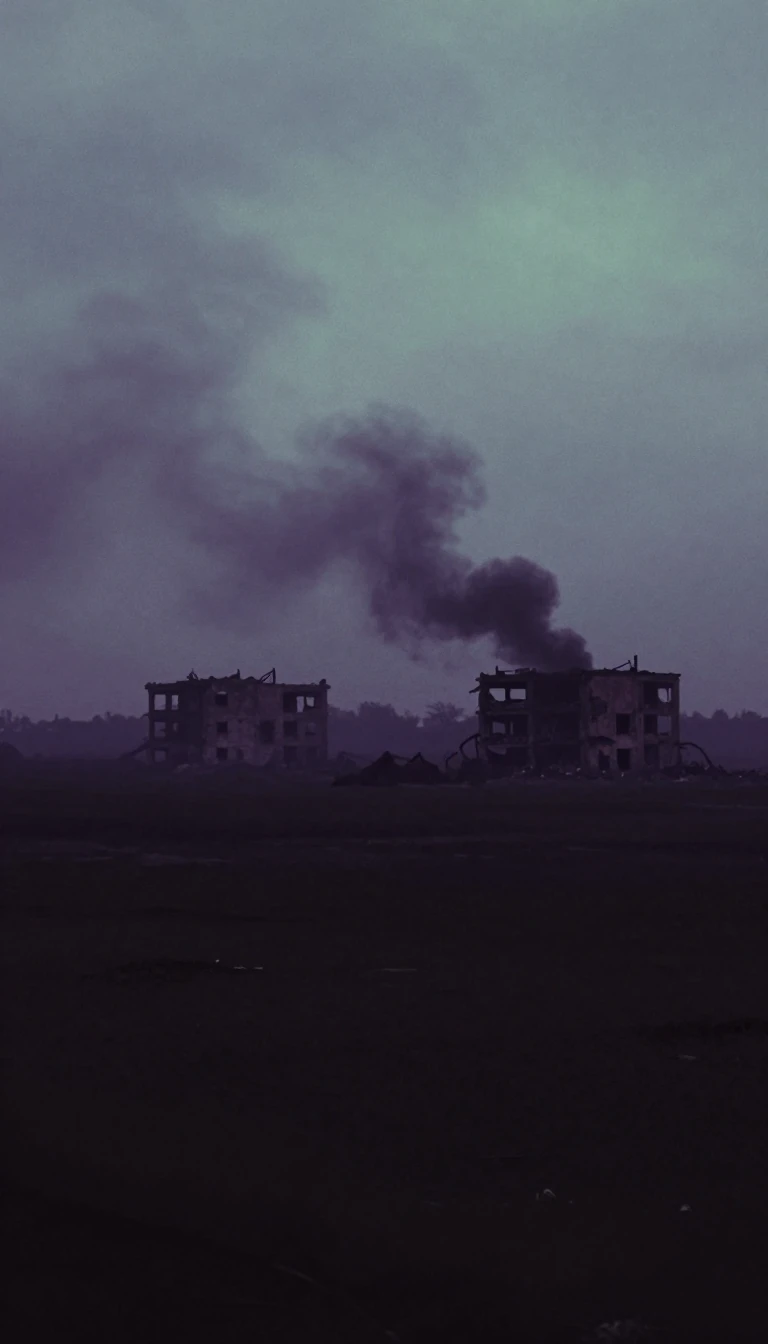 How military planners categorize operations from continental campaigns down to single tactical strikesA military operation is more than just a battle. It is a coordinated plan designed to resolve a situation in a state's favor. By classifying these actions by scale and scope, comm…
 Why a Renowned Japanese Author Staged a Dramatic Military Standoff in 1970On November 25, 1970, novelist Yukio Mishima led a private militia into a military headquarters, seized a general, and demanded a constitutional revolution. While the world watche…
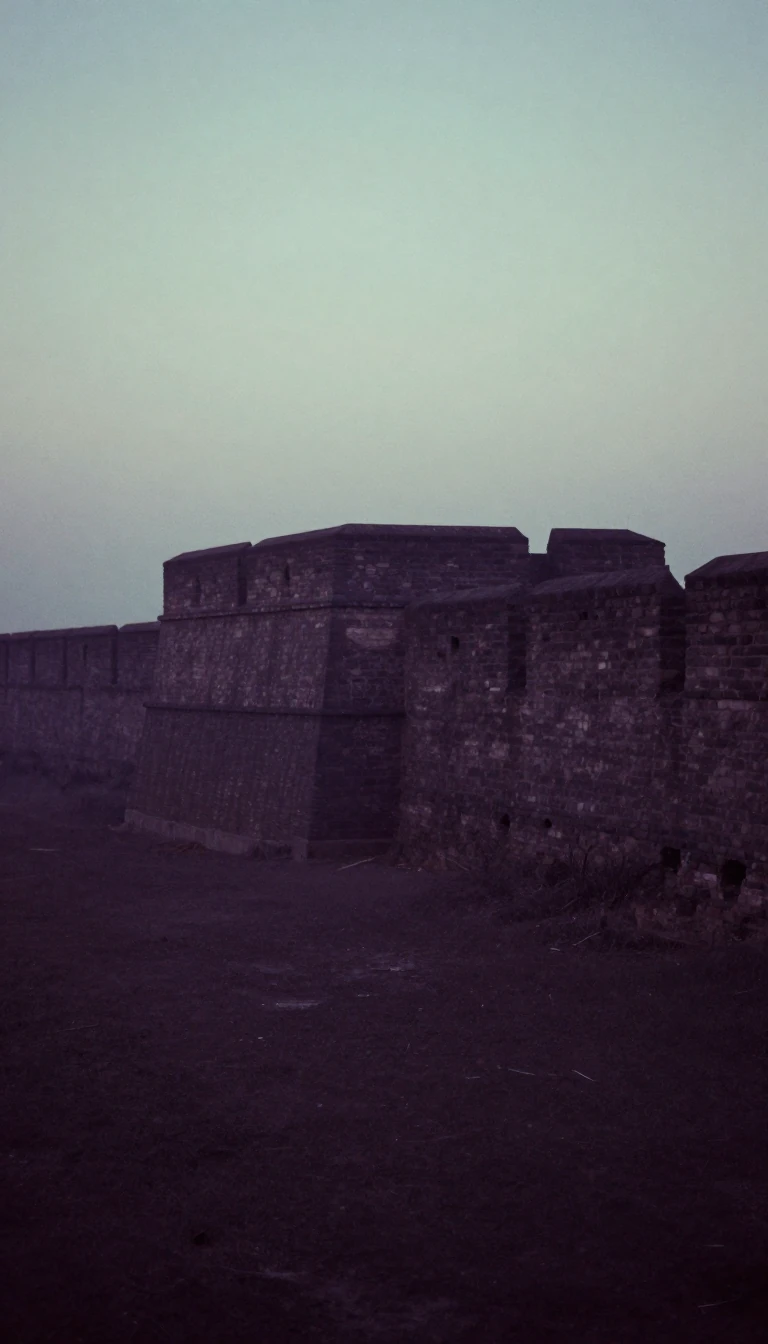 Why thousands of soldiers remain missing in action decades after their final battlesBecoming missing in action is an occupational hazard of warfare as old as combat itself. From the fog of war to the total disintegration of remains by high-explosive munitions, id…
 Why a failed military battle flag became a global symbol of modern identityNever the official national flag of the Confederacy, the battle flag designed by William Porcher Miles was originally a niche military emblem. Today, it persists as a polarizing i…
 The Roman province of Moesia was a strategic invention, not an ancient tribal homeland.Moesia was a cornerstone of Roman power along the Danube, yet the very name was a calculated administrative fiction. Romans invented the Moesi to replace the identity of the local…
 Monemvasia: The Gibraltar of the East and the birthplace of a legendary winePerched on a tied island off the Peloponnese, Monemvasia has served as a strategic fortress for over 1,400 years. Known as the Gibraltar of the East, this ancient town survived ce…
- How a Buddhist Theocracy and Soviet Power Collided to Forge Modern MongoliaIn 1921, Mongolia transformed from a fragile theocracy under Chinese occupation into a Soviet-aligned republic. This revolution was not a simple uprising but a complex geopolitica…
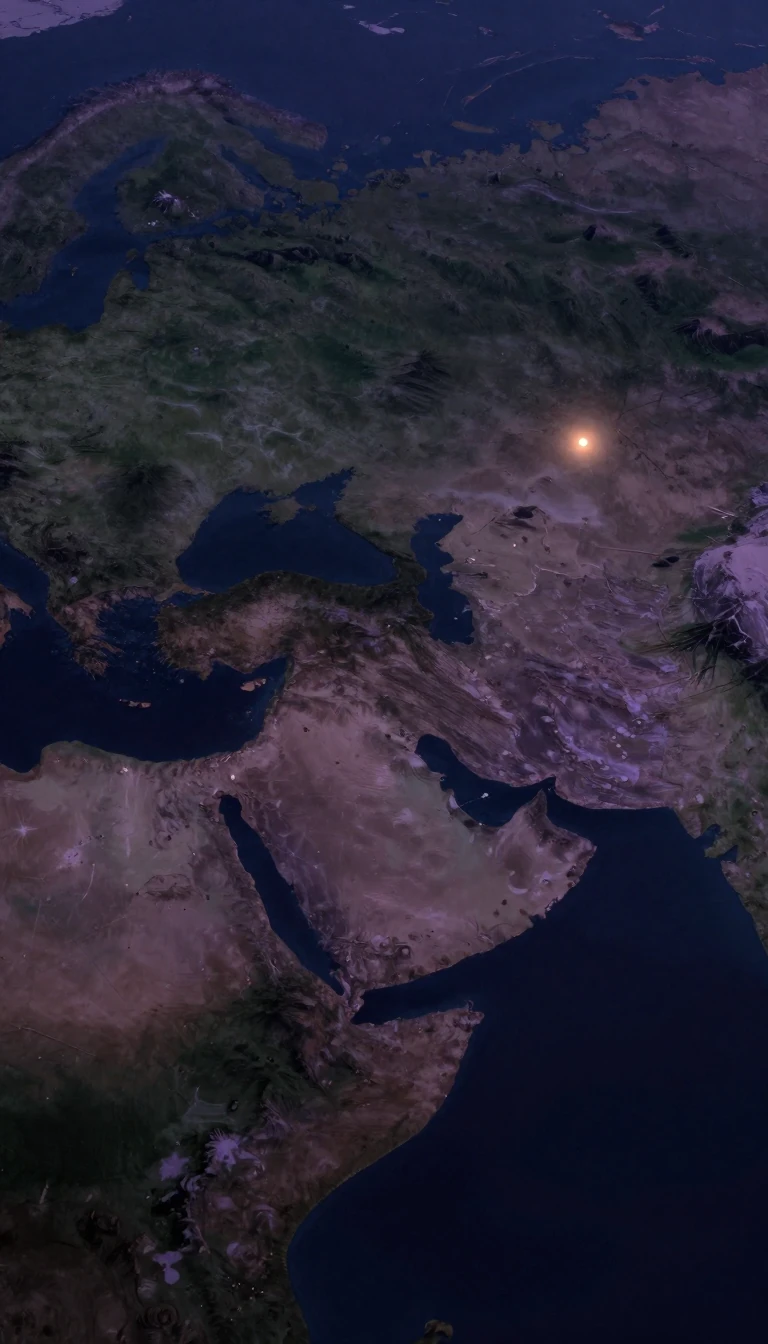 The genetic legacy of the Mongol Empire reveals a complex history of human migration.Mongolic peoples share a deep, continuous genetic history rooted in ancient Northeast Asia, yet their modern diversity tells a story of vast expansion and cultural assimilation. F…
 How a Paris hilltop became the birthplace of revolution and modern artRising 130 meters above Paris, Montmartre is more than a tourist landmark. Once a strategic military vantage point and a center for gypsum mining, this district transformed into a…
 Did a US Treasury plan to turn Germany into a farm prolong World War II?Proposed by Henry Morgenthau Jr. in 1944, the Morgenthau Plan aimed to dismantle Germany’s industrial capacity to prevent future wars. While never officially adopted, the proposal…
 How Mughal Emperors Built an Empire of Stone to Project Absolute Imperial PowerMughal architecture was more than just aesthetic; it was a deliberate, high-stakes display of sovereignty. By blending Persian, Central Asian, and indigenous Indian traditions, th…
 Why the Ottoman Empire granted Jerusalem its own unique, direct administrative status in 1872In the late 19th century, the Ottoman Empire carved out a special district centered on Jerusalem, governed directly from Constantinople rather than through regional intermediaries…
- How a single Persian invasion permanently shattered the power of the Mughal EmpireIn 1739, Nader Shah of Iran sacked Delhi, seizing the legendary Peacock Throne and enough treasure to abolish taxes in Persia for three years. This brutal campaign did more than j…
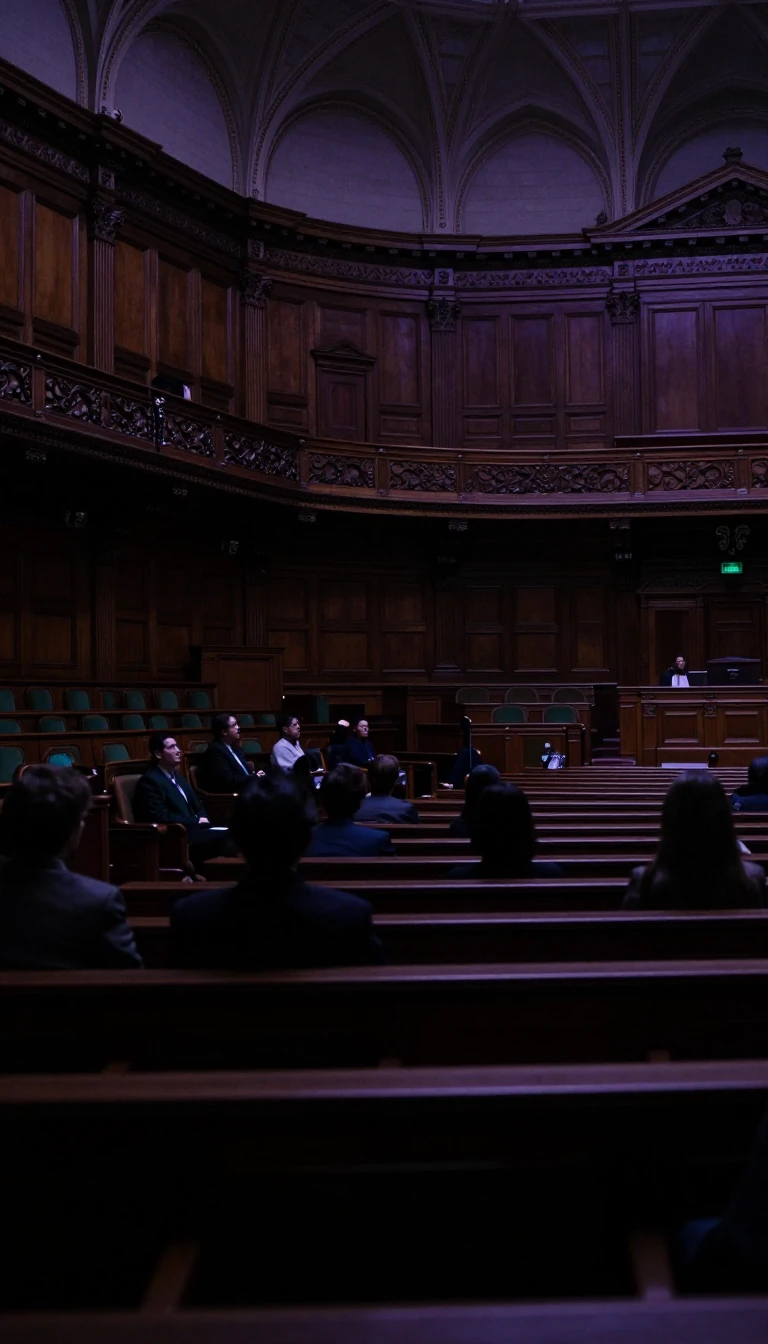 From Revolutionary Assembly to Political Party Ritual: The Evolution of the National ConventionThe term National Convention evokes two distinct histories. In modern American politics, it is a structured party ritual to confirm presidential nominees. In 1792 France, it was a…
 How a 19th-century battlefield color code defined Uruguayan politics for nearly two centuriesIn 1836, a simple choice of banner colors on a battlefield birthed the National Party, known as the Whites. This decision ignited a long-standing rivalry with the Colorado Party, …
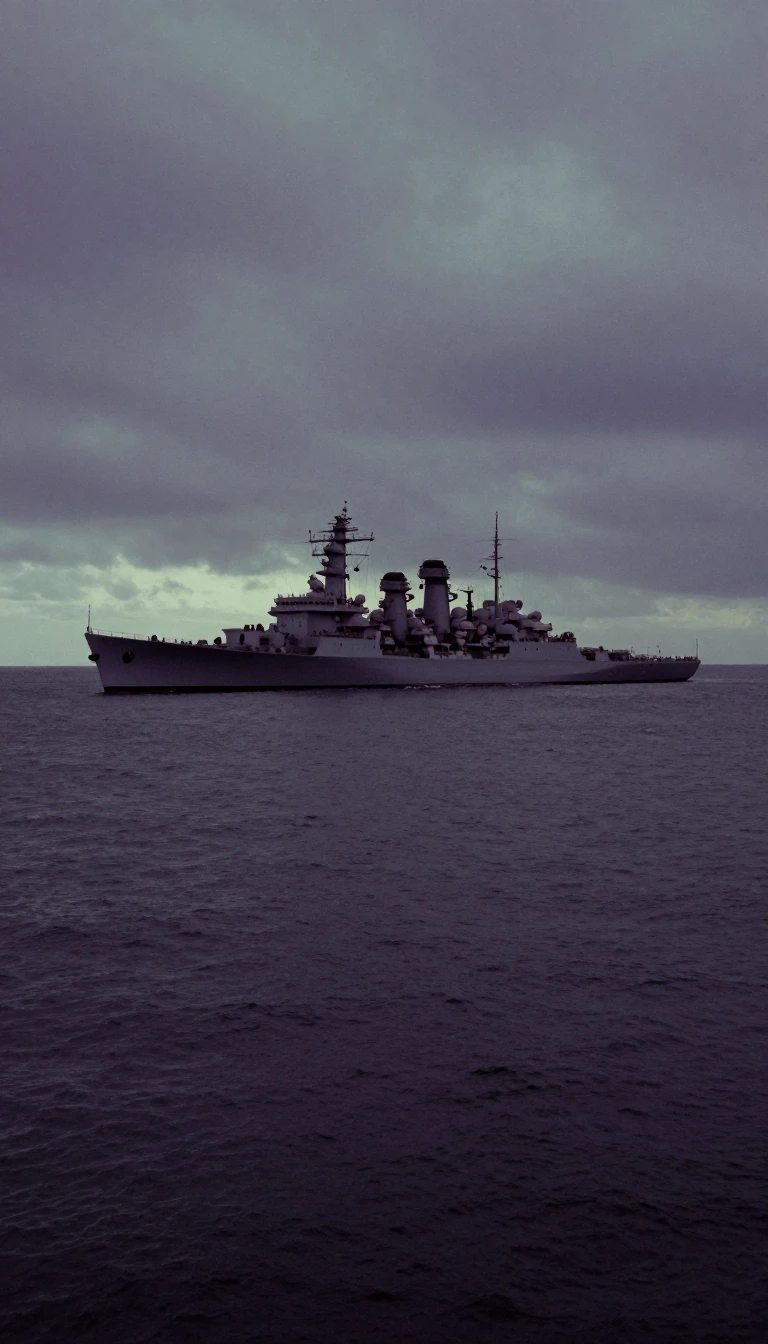 The Naval Battle of Guadalcanal was fought at terrifyingly close, point-blank rangeFought in the pitch-black waters of the Solomon Islands in November 1942, this clash remains unique in modern naval history. With warships engaging at near-contact distances, the …
 How two 17th-century paintings survived Nazi plunder to surface in OhioIn 2025, two Dutch masterpieces appeared at a small Ohio auction with a $225 estimate. Vigilant observers spotted cryptic markings on the back, revealing they were stolen from the…
 From Gorkhali Warriors to Global Peacekeepers: The Evolution of the Nepali ArmyBorn in the 16th-century Gorkha Kingdom, the Nepali Army has transformed from a regional unification force into a major global contributor to United Nations peacekeeping. Once the…
 How a quiet Parisian suburb became the site of a major world treatyNeuilly-sur-Seine is known today as an affluent residential enclave bordering Paris, defined by its corporate headquarters and high-end living. Yet, this exclusive commune holds a…
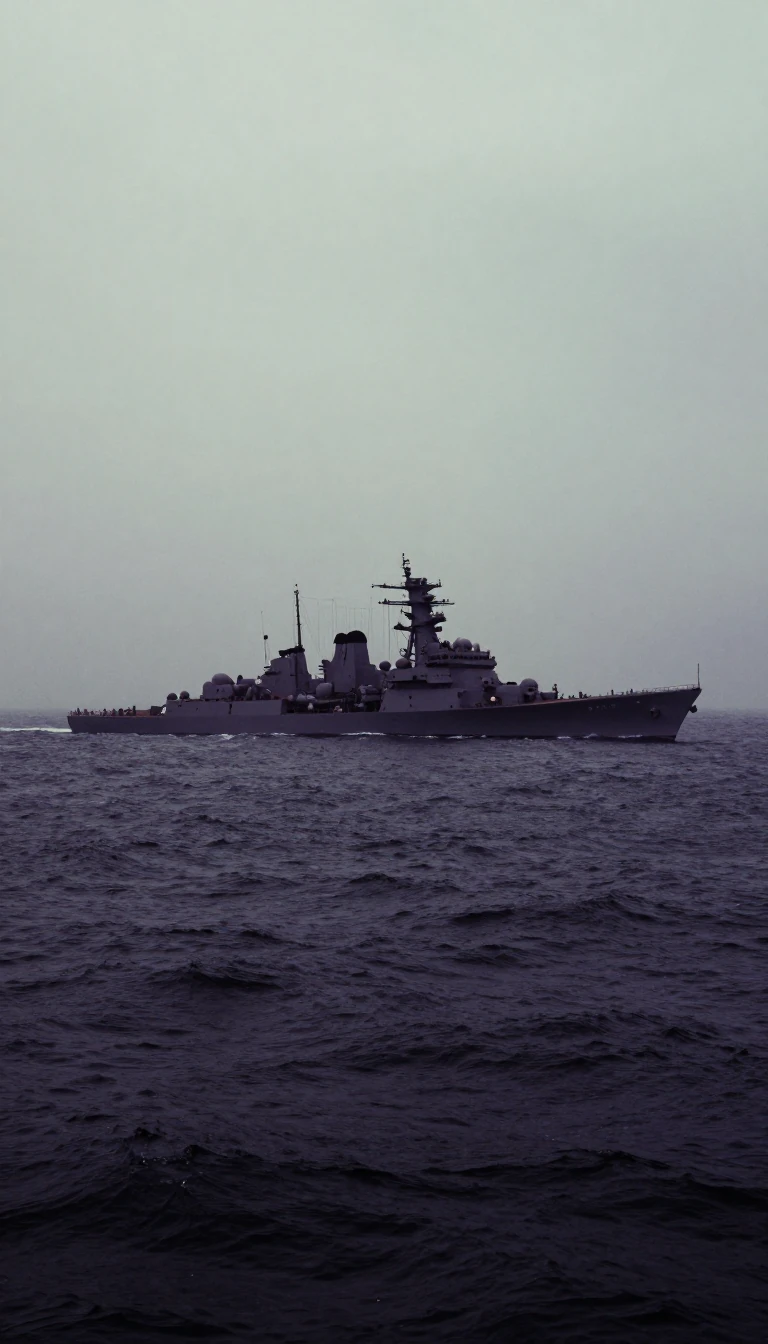 Why the brutal New Guinea campaign became a graveyard for the Japanese militaryThe New Guinea campaign was one of the most arduous struggles of World War II. While combat was fierce, the true killer was not the enemy, but disease and starvation. By the end, …
 New Sweden was a brief, ambitious attempt to bypass Dutch and English colonial tradeDuring the seventeenth century, Sweden briefly became a great power, launching a colonial project in the Delaware Valley. Led by a former Dutch governor, the colony of New Sweden …
 From Tailoring Roots to Retail Giant: The Turbulent Evolution of Next plcNext plc dominates the British high street, yet its journey from a 19th-century tailoring firm to a modern retail powerhouse is marked by near-bankruptcy, aggressive acquisitions,…
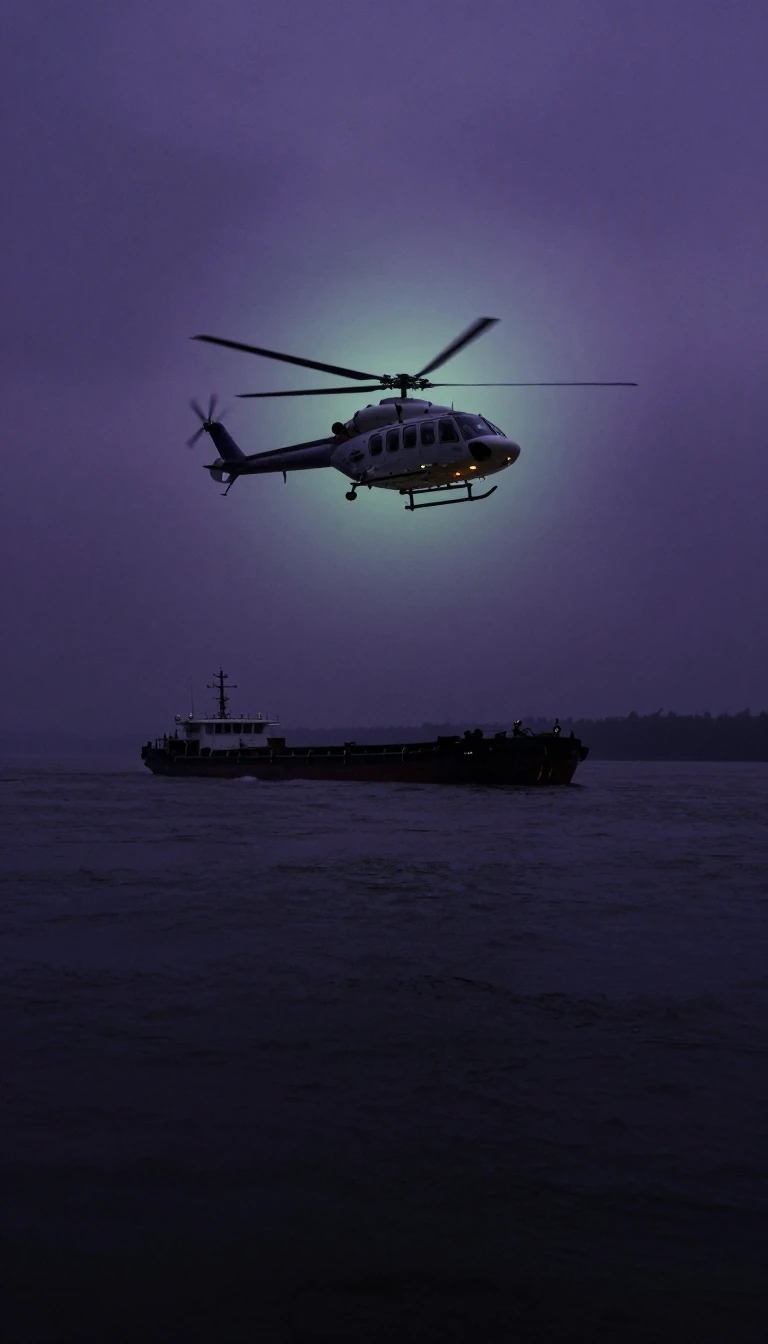 A downed Japanese pilot sparked a week-long battle on a remote Hawaiian island.After crash-landing on Niʻihau on December 7, 1941, a Japanese pilot was initially treated with hospitality by local residents. However, once the islanders learned of the Pearl Ha…
 The archaeologist who holds the key to a forbidden history of the worldNico Robin is the sole survivor of Ohara, an island destroyed by the World Government to suppress forbidden knowledge. As an archaeologist capable of reading ancient stone Ponegly…
- How a journalist-turned-revolutionary became the face of Armenia’s most difficult modern transitionNikol Pashinyan rose to power on a wave of popular discontent, promising a new era for Armenia. Yet, his tenure has been defined by the painful loss of Nagorno-Karabakh and a desp…
 How a small sect of mountain rebels defied empires for nearly two centuriesThe Nizari Ismaili state was a geographically scattered network of fortresses that challenged the might of the Seljuk Empire. Led by Hasan-e Sabbah, these rebels utilized strategi…
 The Nogai Horde: A Nomadic Empire That Defied Dynastic Rule and Built a Slave EconomyThe Nogai Horde was a formidable confederation of pastoral nomads who dominated the Pontic-Caspian steppe for over a century. Unlike their neighbors, they rejected the authority o…
 Nomadic empires were not just wandering tribes, but complex states that reshaped global history.Often dismissed as mere raiders, nomadic empires were sophisticated political entities that bridged East and West. From the Xiongnu to the Dzungars, these horse-riding powers reli…
- The North American T-28 Trojan: From Advanced Military Trainer to Global Counter-Insurgency WorkhorseDesigned to replace the T-6 Texan, the T-28 Trojan evolved from a standard military trainer into a versatile combat aircraft. It saw extensive service in the Vietnam War, the Secr…
- Beneath the North Sea lies a complex, high-stakes energy landscape shaped by volatile history.The North Sea is more than a body of water; it is a massive, hazardous industrial engine. Since the 1960s, it has yielded billions of barrels of oil and gas, transforming national…
- Why did a 19th-century land dispute in Canada escalate into a violent armed insurgency?In 1885, the North-West Rebellion pitted the Canadian government against the Métis and their Indigenous allies. Triggered by land insecurity and the disappearance of the bison, th…
- How a minor strategic delay allowed Germany to seize Norway in a single dayIn April 1940, Britain and Germany raced to secure Norway’s critical ports. While the Allies argued over the timing of a preemptive mining operation, Hitler launched a decisive, m…