 Intellect Plus
Wars & Conflicts
5,856 cards. Each one is a 40-second story with a five-minute read behind it. Page 51 of 98.
Subtopics: 19th-century wars · American Civil War · Ancient & biblical wars · Castles & fortifications · Civil wars · Codebreaking & espionage · Cold War · D-Day & Normandy · Early modern wars · Knights & chivalry · Korean & Vietnam wars · Medieval wars · Military aviation · Military strategy & leaders · Military technology · Naval warfare · Other wars & battles · Ottoman wars · Pacific War · Peace treaties & aftermath · Roman wars · Submarines · Tanks & armoured vehicles · The Crusades · UK & Ireland: wars · Uniforms & medals · Viking raids & wars · War and military · War memorials & museums · Wars since 1945 · Western Front (WWI) · World War I · World War II · World wars era
 How a school dropout became the kingmaker of modern Indian democracyK. Kamaraj, a man with little formal education, rose from a humble cloth shop worker to become the Chief Minister of Madras and a national political titan. Known as the Kingmaker,…
 Did a plan for a transcontinental railroad accidentally trigger the American Civil War?In 1854, Senator Stephen A. Douglas sought to organize the Nebraska Territory to facilitate a transcontinental railroad. To secure Southern support, he introduced the Kansas-Nebra…
 After the 1923 Great Kanto Earthquake, rumors triggered a state-sanctioned massacre of thousands.In the chaos following Japan's 1923 earthquake, false rumors of Korean sabotage ignited a wave of vigilante violence. Backed by police and military, mobs murdered thousands of inn…
 Kars: The Ancient Border Fortress That Has Changed Hands Countless Times Over CenturiesPerched on a high plateau in northeast Turkey, Kars has served as a strategic prize for empires ranging from the Bagratid Armenians to the Ottomans and Russians. This city, define…
 The Kashubians: A resilient Slavic people caught between empires for over a millenniumNative to the Pomeranian region, the Kashubians are a West Slavic ethnic group with a unique language and culture. Despite centuries of Germanization, political shifts, and the pr…
 The Sultan who minted his wife's image and lost an empire to the Mongols.Kaykhusraw II was the last Seljuq sultan to hold real power, ruling a state caught between internal religious rebellion and the encroaching Mongol tide. His reign is remembered fo…
 Was the golden age of the Seljuq Sultanate of Rûm ended by a poisoned feast?Kayqubad I presided over the peak of Seljuq power in Anatolia, transforming his realm into a cultural and architectural powerhouse. Yet, his sudden death in 1237 at a banquet in K…
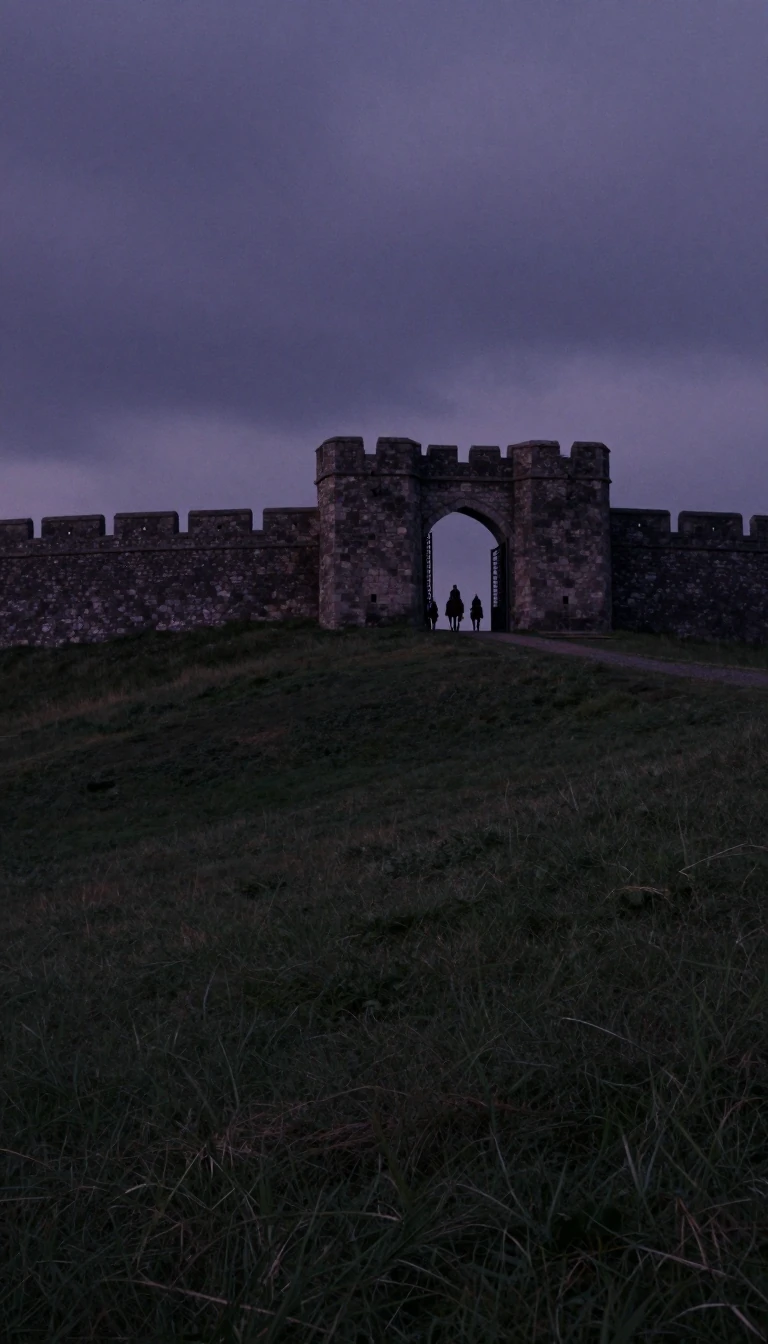 How a medieval water-fortress became the stage for England's most dramatic royal power struggles.Kenilworth Castle evolved from a Norman stronghold into a lavish Renaissance palace. Over five centuries, it served as a prison for a deposed king, the site of England's longest m…
 Is the mysterious Quranic figure Khidr a synthesis of ancient myths and legends?Khidr, the enigmatic servant of God in the Quran, remains a figure of profound mystery. Often called the Green One, he is revered as an immortal guide who teaches secret knowledge…
 The violent end of Muammar Gaddafi and the questions that followed his deathOn October 20, 2011, Muammar Gaddafi was captured and killed by rebel forces in Sirte, Libya. While initially framed as a casualty of crossfire, video evidence revealed a brutal e…
 How a Medieval Balkan Kingdom Navigated the Crushing Weight of Two EmpiresThe Kingdom of Bosnia existed for less than a century, yet it managed to balance precariously between the ambitions of Hungary and the Ottoman Empire. By leveraging its silver min…
 How the Kingdom of Croatia survived centuries of Ottoman expansion and Habsburg ruleFollowing the 1526 Battle of Mohács, the Croatian nobility elected a Habsburg king, tethering their fate to an empire that would define their borders for centuries. Caught between…
 How a fractured collection of coastal districts evolved into a medieval northern powerhouse.Before it was a unified kingdom, Norway was a landscape of shifting alliances and local districts. From its 872 foundation, the realm expanded through crusades and overseas coloni…
 The Suebi Kingdom: How a Germanic Migration Created a Forgotten Iberian PowerCrossing the Rhine in 405 AD, the Suebi carved a kingdom from the Roman Empire’s collapse. From their capital in Braga, they navigated civil wars, religious shifts, and brutal pow…
 How a tiny Adriatic island became a strategic prize for empires across three millenniaKorčula has been a coveted prize for everyone from ancient Greeks to the British Empire. Its strategic position in the Adriatic turned this island into a fortress, a pirate base, …
 Kortrijk: The Belgian City That Endured Centuries of Conflict to Become a Design HubStrategically positioned on the Leie river, Kortrijk has been a flashpoint for centuries, from medieval uprisings to the heavy bombing of World War II. Yet, this resilient city ha…
 How a tiny Adriatic port was pulled into battle by ropes and sheer willKotor, a fortified Mediterranean gem, has survived centuries of sieges, earthquakes, and shifting empires. Its most surreal moment came in 1814, when British forces, lacking wind …
 How a family-run steel foundry became the world's most formidable arms manufacturerFor nearly two centuries, the Krupp industrial empire shaped the course of global conflict. From a small cast-steel workshop in 1811 to a sprawling conglomerate that fueled two wo…
- Kutaisi: An ancient capital that survived invasions, empires, and the collapse of the Soviet UnionAs one of the world's oldest continuously inhabited cities, Kutaisi has served as a royal seat for millennia. From its legendary status in Greek mythology to its modern role as a …
 Why the planet Venus was almost named after a small, rugged Greek islandKythira is a strategic Greek island with a history of pirates, earthquakes, and ancient cults. Its most unusual legacy, however, is linguistic: astronomers once avoided the term V…
 Why the Spartan reputation for brevity is etched into the very name of LaconiaThe term laconic, meaning to speak with blunt, concise austerity, finds its origins in the ancient region of Laconia. Home to the legendary Spartans, this southeastern Peloponnesi…
 The medieval mother who engineered a dynasty and claimed the power of a queenLady Margaret Beaufort spent decades as a political pawn, yet she became the architect of the Tudor dynasty. By navigating the treacherous Wars of the Roses, she transformed her s…
- How a medieval administrative innovation shaped the heart of Scotland's industrial landscapeEstablished in the twelfth century to manage the River Clyde basin, Lanarkshire evolved from a feudal shire into a powerhouse of coal production. Though its formal administrative …
 How a clever ballast system turned ocean-going ships into beach-landing tanksDuring World War II, the Allies needed a way to land heavy tanks on foreign shores without using docks. The solution was the Landing Ship, Tank (LST), a vessel that could cross oc…
 The Lands of the Crown of Saint Stephen: A Dual Monarchy PowerhouseFrom 1867 to 1918, the Hungarian territories of Austria-Hungary operated as a distinct political entity known as Transleithania. Named for the historic crown of Saint Stephen, thi…
 Why do soldiers choose to fight to the death against impossible odds?A last stand is a desperate military tactic where troops hold a position despite insurmountable odds. Whether motivated by duty, the need to protect a leader, or the fear of execu…
 Hitler’s final documents were a calculated attempt to stage his own historical immortalityIn the final hours of the Third Reich, Adolf Hitler dictated a private will and a political testament. Far from a simple confession, these documents were a carefully crafted perfo…
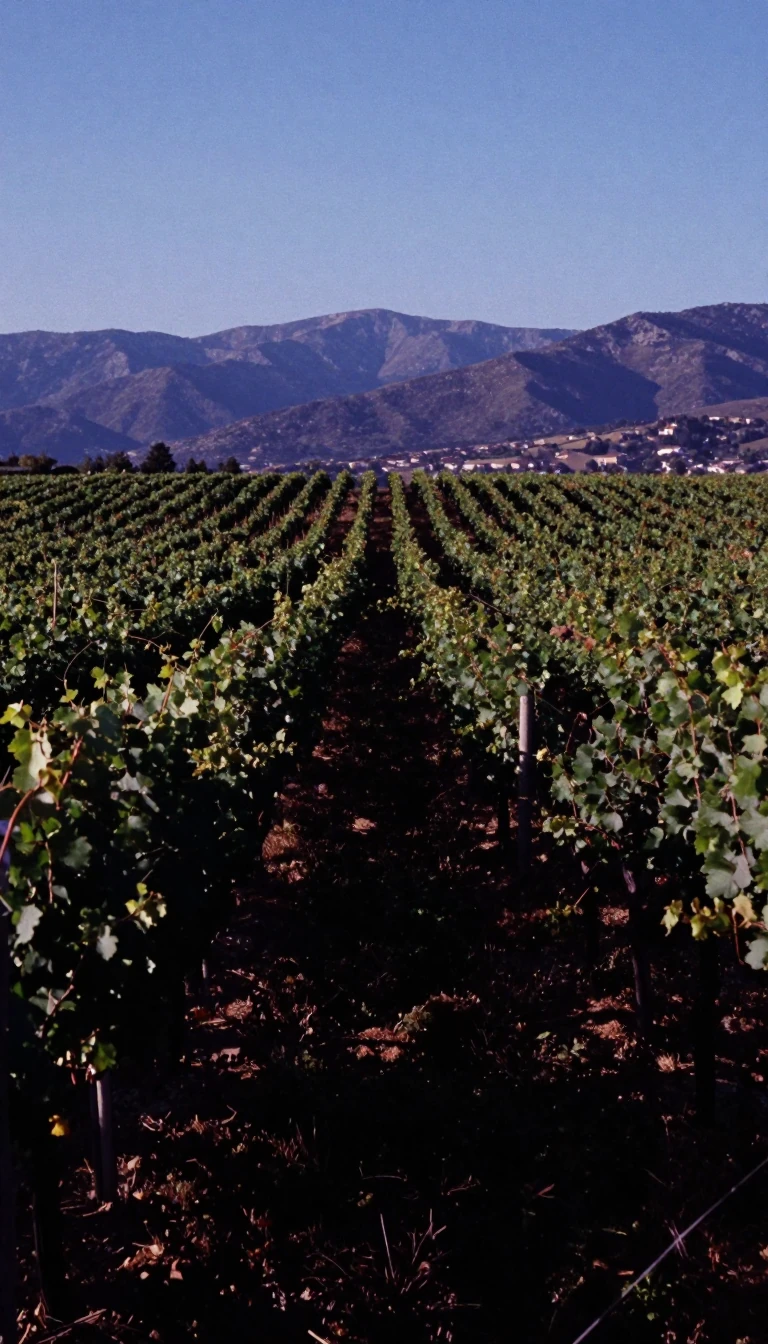 How a small volcanic triangle in central Italy became the heart of an empire.Latium began as a modest, fertile region defined by its volcanic soil and independent Latin tribes. Through strategic alliances, military dominance, and a unique policy of grantin…
- The Laz people: A resilient culture caught between empires and shifting identitiesNative to the rugged Black Sea coast, the Laz are a Kartvelian ethnic group with a history stretching back to antiquity. Once masters of the Kingdom of Lazica, they have endured c…
 The British rifle that convinced enemies they were facing machine guns in 1914.The Lee-Enfield was a masterpiece of bolt-action engineering, allowing trained soldiers to fire up to 30 rounds per minute. Its rapid-cycling design and ten-round magazine were so…
- How a medieval fortress in Kent became a hub for global peace negotiationsLeeds Castle has evolved from a Saxon wooden structure and a royal residence for Henry VIII into a modern diplomatic stage. While it once served as a prison and arsenal during the…
 Did the legendary Ninth Legion vanish in Britain or perish in a forgotten war?The Roman Ninth Legion, or Legio IX Hispana, remains one of history's most enduring enigmas. Once a powerhouse of the imperial army, it vanished from official records after AD 120…
 The Roman legionary was not just a soldier, but an empire-building engineer and administrator.Far from mere warriors, Roman legionaries were the backbone of imperial infrastructure. They built roads, bridges, and walls, acted as local judges, and managed tax collection. Re…
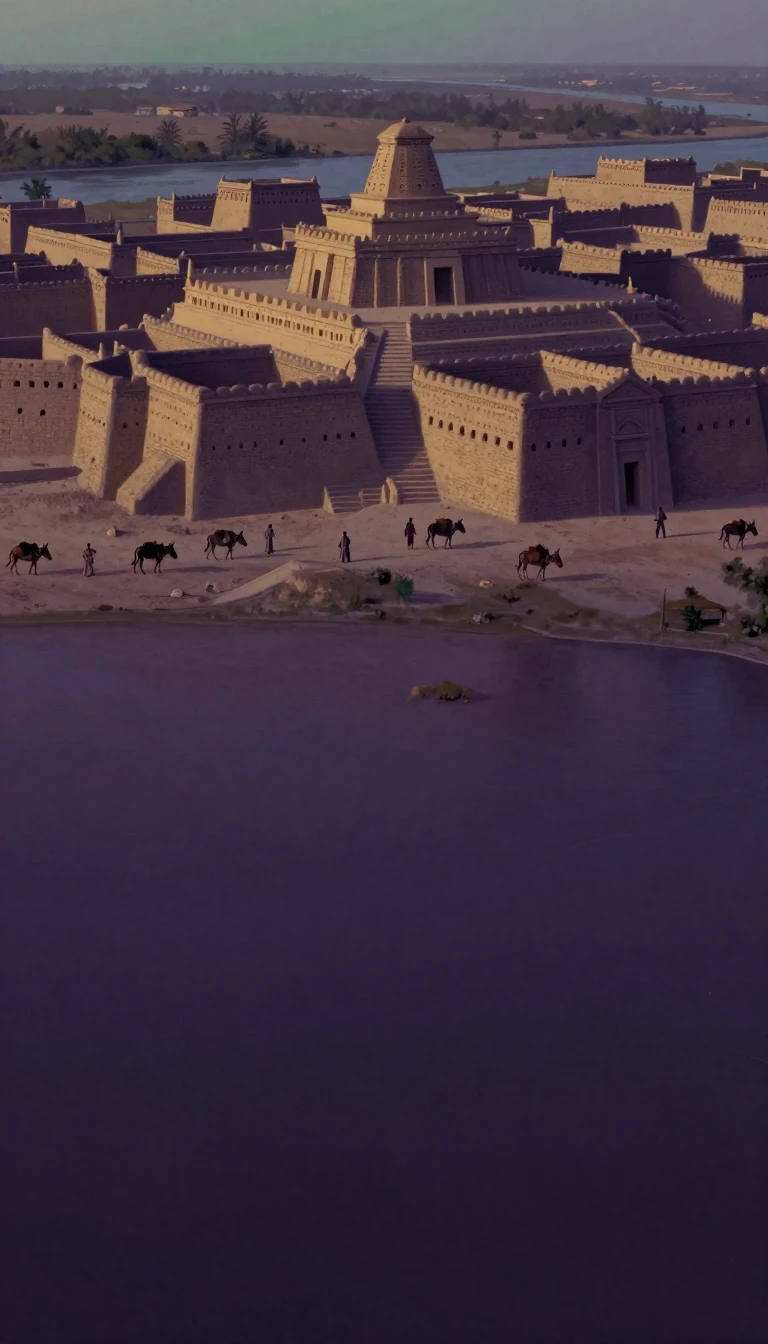 Why the liberation of Paris almost turned the city into a field of ruinsIn August 1944, Paris stood on the brink of total annihilation. Hitler ordered the city destroyed rather than surrendered, leaving German General Dietrich von Choltitz to rig its …
 How a peasant-born soldier became the last rival to Constantine the GreatLicinius rose from Illyrian peasant stock to become Roman emperor, ruling alongside Constantine I. Though they once co-authored the Edict of Milan to grant religious freedom, thei…
- Why light infantry are actually the heaviest soldiers on the modern battlefieldThe term light infantry is a historical misnomer. While these units are designed for speed and mobility in difficult terrain, they lack the vehicles of mechanized forces. Conseque…
 A hilltop fortress of faith that once stood as the world's tallest structurePerched on a strategic ridge, Lincoln Cathedral has dominated the English landscape for centuries. From its origins as a Norman bishopric to its status as a medieval architectural…
 Why the Roman Empire’s most violent internal conflicts often refused to speak their nameRome was defined by a relentless cycle of civil wars and revolts that spanned its entire history. Yet, these conflicts were rarely straightforward. Because ancient chroniclers use…
 The Lithuanian Air Force was born from a 1919 engineering company and aviation squad.Lithuania’s military aviation began in the chaos of 1919, evolving from a small engineering unit into a modern force. After surviving Soviet occupation and disbandment in 1940, th…
 From Medieval Horsemen to Modern NATO Division: The Evolution of Lithuania's Military MightLithuania’s military history spans from 13th-century Grand Ducal forces to a modern, NATO-integrated army. Today, the nation enforces a doctrine of total defense, rapidly moderniz…
 How a medieval empire survived centuries of occupation to reclaim its sovereign identityLithuania was once a dominant power spanning from the Baltic to the Black Sea. After centuries of imperial rule, partitions, and forced assimilation, the nation faced near-extinct…
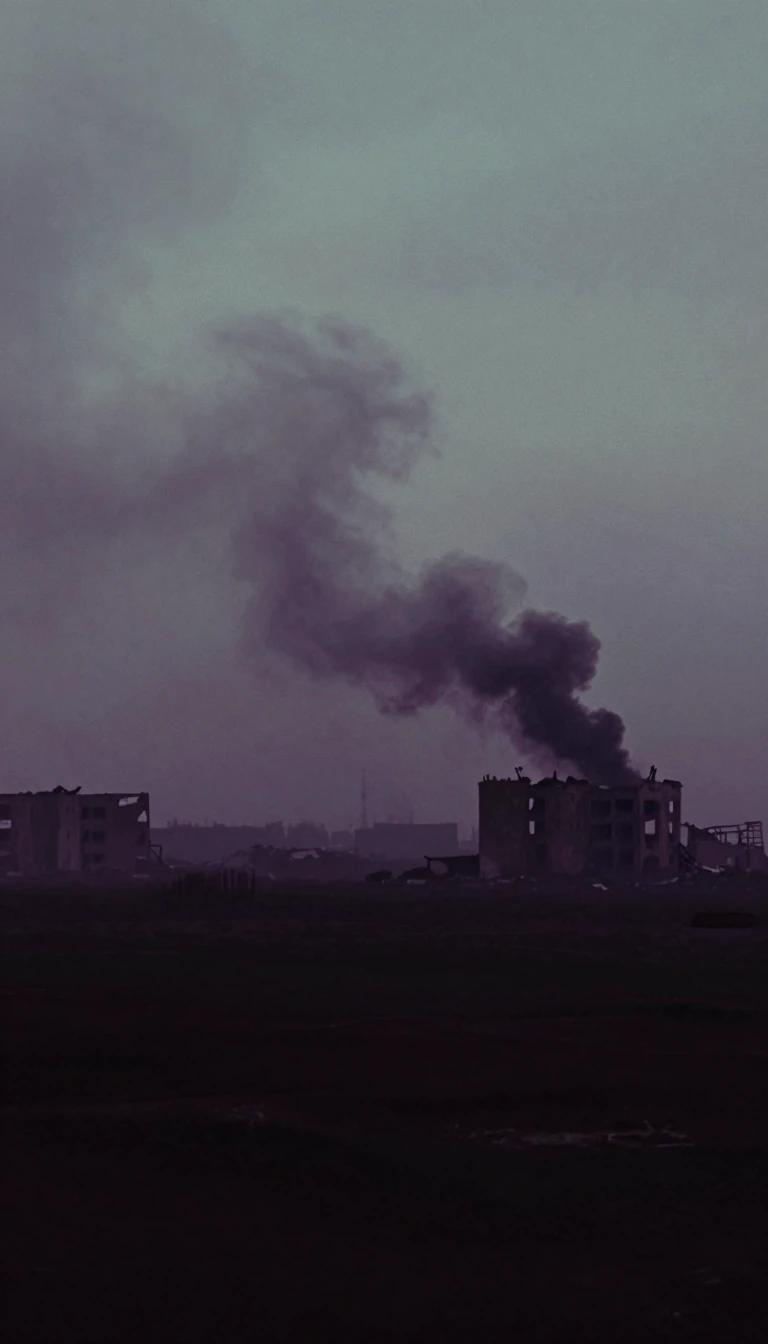 The AC-130 gunship turns the sky into a lethal, circling pylon of fire.Born from Vietnam-era ingenuity, the AC-130 transforms a heavy transport plane into a precision-strike platform. By performing a continuous pylon turn, it circles targets to deliv…
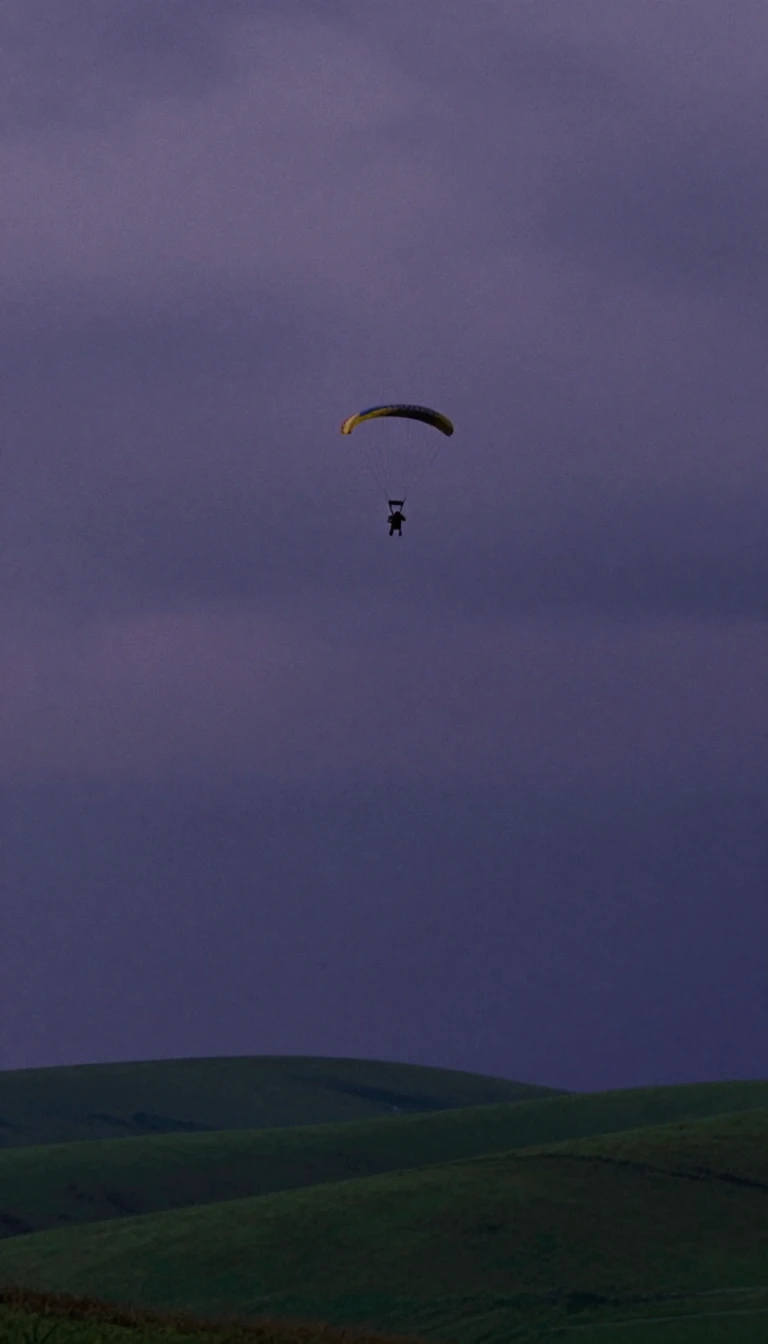 The P-38 Lightning was a high-altitude interceptor that redefined American aerial combat performance.Designed to bypass rigid military restrictions, the Lockheed P-38 Lightning became a versatile powerhouse. With its unique twin-boom configuration and nose-mounted armament, it do…
 Loitering munitions are hybrid weapons that defy traditional categories of missiles and drones.These systems offer unique capabilities like long endurance, retrievability, and non-deterministic flight paths. By combining the persistence of unmanned aerial vehicles with the …
 How a thriving Silk Road kingdom vanished into a salt-encrusted desert wastelandLop Nur was once a vibrant terminal lake supporting ancient civilizations and trade routes. Today, it is a barren, salt-covered basin in China’s Takla Makan Desert. Its transforma…
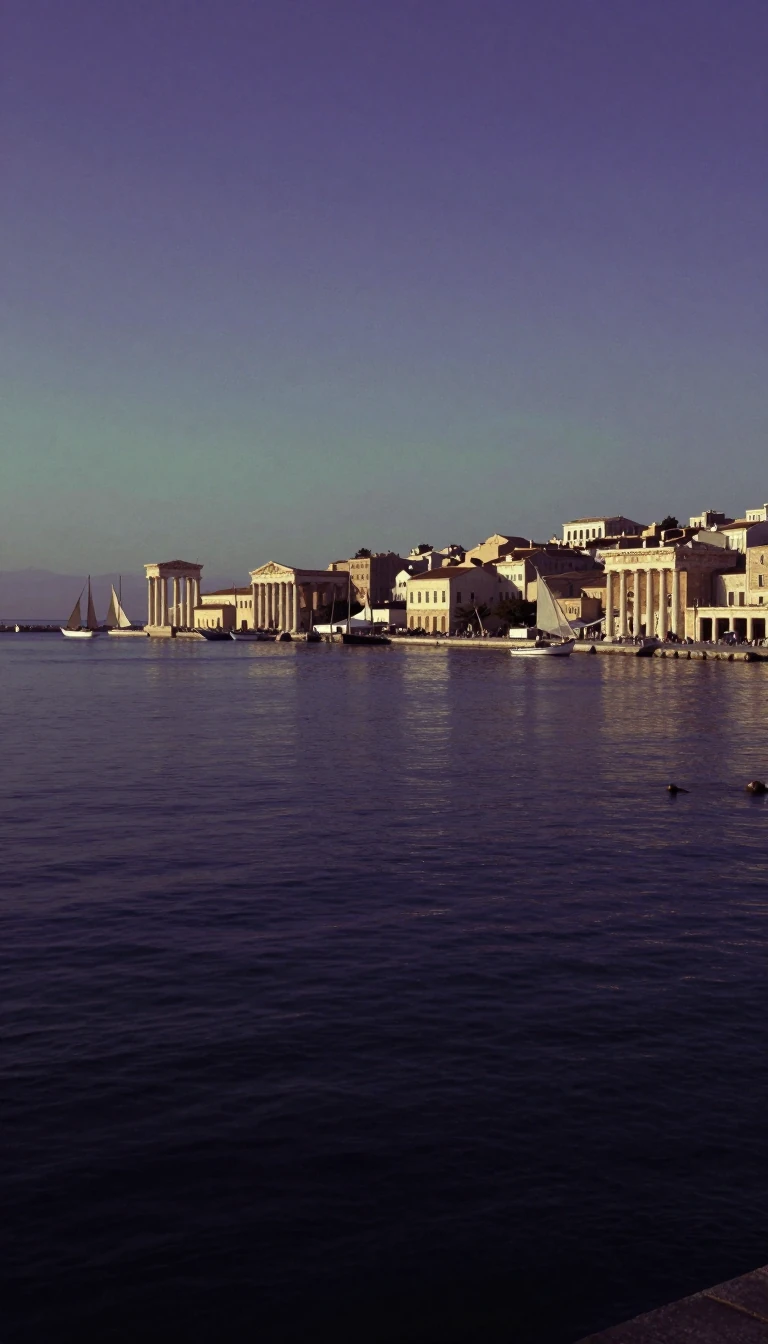 Did this ancient Indian port city host the world's first industrial-scale maritime dock?Lothal, a vital Indus Valley trade hub in modern Gujarat, featured a massive rectangular basin that some experts identify as the earliest known artificial dockyard. While skeptics…
 The French King of Holland who accidentally called himself a rabbit to his subjectsLouis Bonaparte was Napoleon's younger brother, installed as a puppet king to control the Netherlands. Instead, he defied his brother, learned the local language, and earned the t…
- The French Prince who voted for his cousin's execution and died by the guillotineLouis Philippe II, Duke of Orléans, was one of the wealthiest men in France and a cousin to King Louis XVI. Despite his royal blood, he became a fervent revolutionary, adopting th…
- The tragic, short life of the boy king who never ruled FranceLouis XVII was born a prince, became a king in exile, and died a prisoner at age ten. His life was defined by the French Revolution's brutality, yet his legacy survived in a most …
 Were the American Revolution's Loyalists simply villains, or were they the nation's forgotten mirror?History often paints those who stayed loyal to the British Crown as enemies of American liberty. Yet, this group included diverse populations, from wealthy elites to enslaved peop…
- The sudden deaths of two imperial heirs that reshaped the Roman Empire foreverLucius Caesar was groomed to lead Rome as the grandson and adopted son of Augustus. His unexpected passing in Gaul at age eighteen, followed shortly by his brother Gaius, triggere…
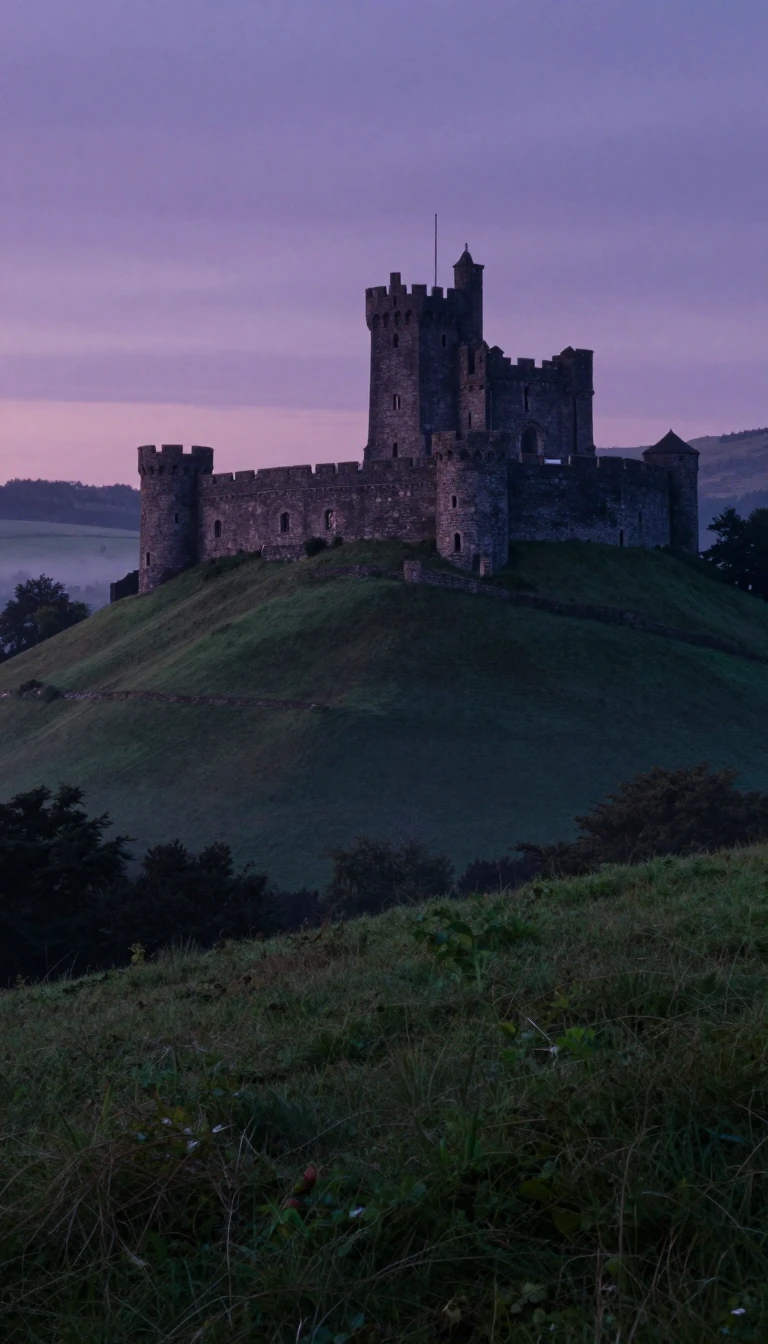 Ludlow: A Border Fortress That Became the Prince's Court and a Geological LandmarkPerched on a hill above the loud waters of the River Teme, Ludlow evolved from a Norman military stronghold into a sophisticated administrative capital. From the tragic end of a y…
 The Last King of Bavaria Was a Dairy Farmer Who Almost Became a MonarchLudwig III, the final sovereign of the House of Wittelsbach, was better known for his agricultural innovations than his royal duties. Though he reigned during the collapse of the …
- Lughnasadh was an ancient harvest festival defined by athletic contests and ritualistic mock battles.Long before modern harvest celebrations, the Gaelic festival of Lughnasadh marked the start of the season with horse racing, matchmaking, and intense ritual combat. Named for the …
 Lusatia: The Slavic Heartland Caught in a Thousand-Year Tug-of-War for SurvivalNestled between the Spree and Neisse rivers, Lusatia has spent centuries as a contested frontier. Home to the Sorbs, a Slavic people, this territory has been conquered, partitione…
- The Lusitanians: An Ancient People Who Defied Rome Through Guerrilla Warfare and Tribal UnityLiving in the far west of the Iberian Peninsula, the Lusitanians were a fierce tribal confederation known for their agility and mastery of guerrilla tactics. They famously resiste…
- How a Bengali revolutionary became the architect of the first Communist Party outside Russia.Born into a family of priests, M. N. Roy evolved from a militant anti-colonial conspirator into a global Marxist theorist. His journey spanned continents, from securing German arm…
- The M101 howitzer: A World War II artillery icon that refuses to retireDeveloped in 1941, the M101 howitzer became the standard light field gun for the United States during World War II. Renowned for its accuracy and durability, this artillery piece …
 The M1917 Browning machine gun: A water-cooled legend that outlasted the wars it foughtBorn from a 1900 patent, the M1917 Browning was a heavy machine gun that defied expectations. Despite late arrival in World War I, its exceptional reliability and sustained-fire c…
- The M3 Stuart: A legendary light tank that fought from World War II to 2014Known to the British as the Honey for its smooth ride, the M3 Stuart was a versatile American light tank. Though often outgunned in direct tank-on-tank combat against heavy armor,…