 Intellect Plus
Wars & Conflicts
5,856 cards. Each one is a 40-second story with a five-minute read behind it. Page 55 of 98.
Subtopics: 19th-century wars · American Civil War · Ancient & biblical wars · Castles & fortifications · Civil wars · Codebreaking & espionage · Cold War · D-Day & Normandy · Early modern wars · Knights & chivalry · Korean & Vietnam wars · Medieval wars · Military aviation · Military strategy & leaders · Military technology · Naval warfare · Other wars & battles · Ottoman wars · Pacific War · Peace treaties & aftermath · Roman wars · Submarines · Tanks & armoured vehicles · The Crusades · UK & Ireland: wars · Uniforms & medals · Viking raids & wars · War and military · War memorials & museums · Wars since 1945 · Western Front (WWI) · World War I · World War II · World wars era
 Can overwhelming force truly paralyze an enemy's will to fight without total destruction?Shock and awe, or rapid dominance, aims to achieve victory by overloading an adversary's perception until they are incapable of resistance. Developed in 1996 for the U.S. military…
 Why modern artillery must move immediately after firing to survive on the battlefieldThe shoot-and-scoot tactic is a survival necessity for artillery units. By firing and immediately relocating, crews avoid the lethal precision of counter-battery radar and enemy f…
 Is Sicilian a dialect or a distinct language with its own ancient literary roots?While often sidelined as a mere regional dialect, Sicilian is a unique Romance language with a history that predates Standard Italian. Boasting the oldest literary tradition of th…
 The Siege of Chittorgarh: How Akbar’s Brutal Victory Reshaped the Mughal EmpireIn 1567, Emperor Akbar launched a massive campaign against the Sisodia capital of Chittor. What began as a strategic move to secure trade routes to Gujarat and the Deccan devolved…
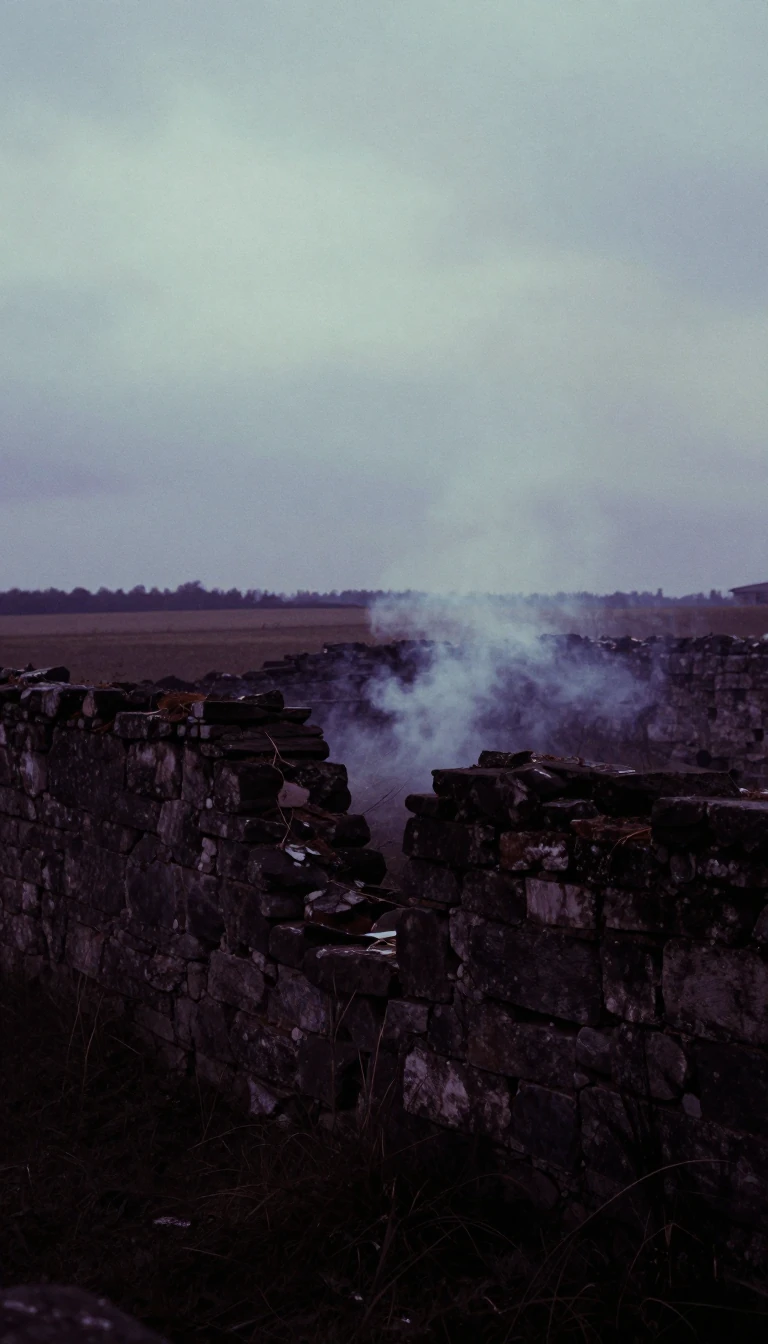 The forgotten 1914 siege that pioneered modern naval air combat and trench warfareWhile the world watched the Western Front, a smaller, decisive campaign unfolded in China. Japan and Britain joined forces to seize a German naval base, deploying innovative tacti…
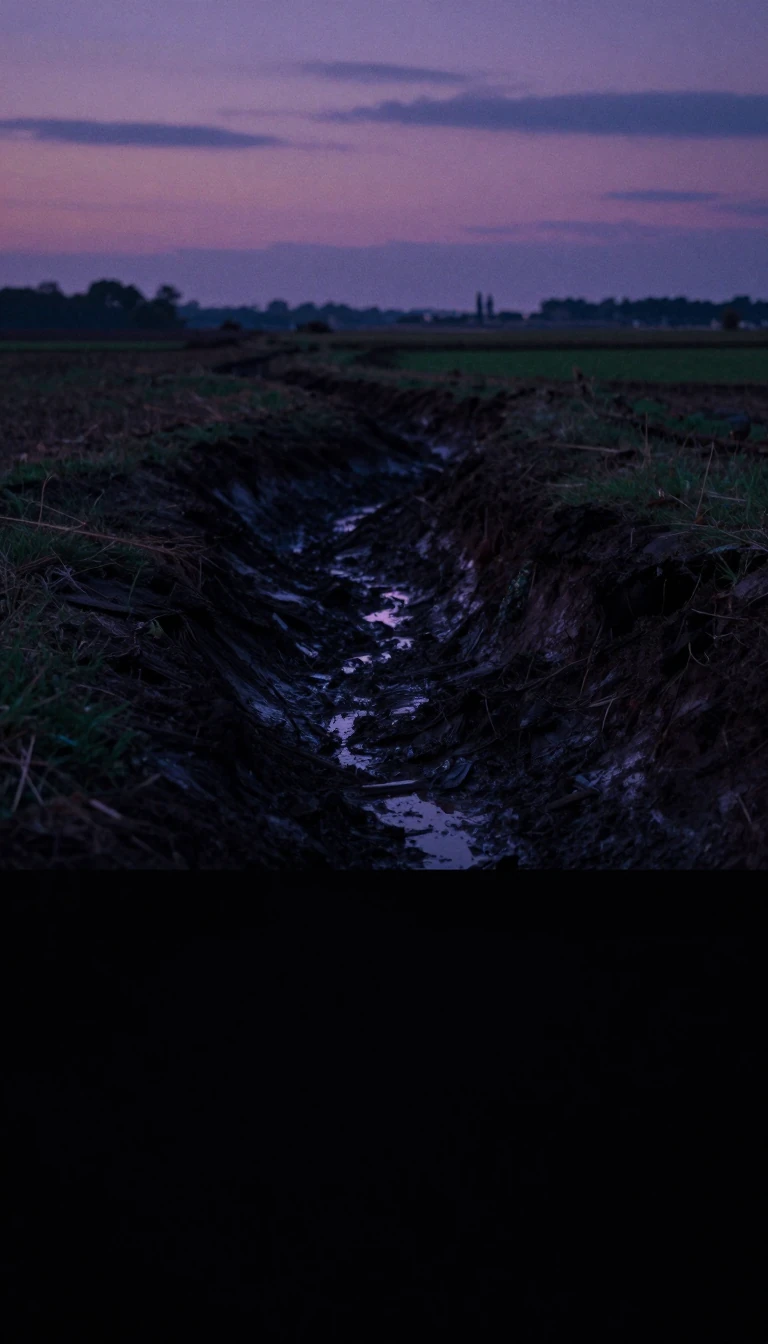 The Siegfried Line was a massive, flawed defensive project that became a nature sanctuary.Spanning over 630 kilometers, Germany's Westwall was intended to be an unbreachable barrier. Yet, it was often little more than a collection of unfinished bunkers and ineffective …
 Signals intelligence turns the invisible electromagnetic spectrum into a decisive strategic advantage for nations.Signals intelligence, or SIGINT, is the practice of intercepting and analyzing electronic communications and emissions. By monitoring everything from radar pulses to private text …
 Is Sinicization a cultural bridge, a tool of statecraft, or a form of erasure?Sinicization describes the process of non-Chinese groups adopting Han Chinese language, norms, and identity. While historically viewed as a natural cultural osmosis, modern critic…
 Why the world's longest border dispute remains a dangerous, undemarcated high-altitude stalemateSpanning thousands of miles, the Sino-Indian border is a legacy of colonial-era cartography that never quite settled. From the desolate, high-altitude wasteland of Aksai Chin to t…
 Why this ancient Black Sea port was the ultimate strategic prize for empiresSinop, a narrow promontory on Turkey's northern coast, has been a coveted prize for millennia. From Greek colonists and Persian satraps to Seljuk Turks and Russian admirals, its u…
 The Ottoman Empire's elite cavalry were not just warriors, but provincial land managers.Sipahis were the backbone of the Ottoman military, serving as professional cavalrymen who traded security and tax collection for land grants. Unlike the infantry Janissaries, thes…
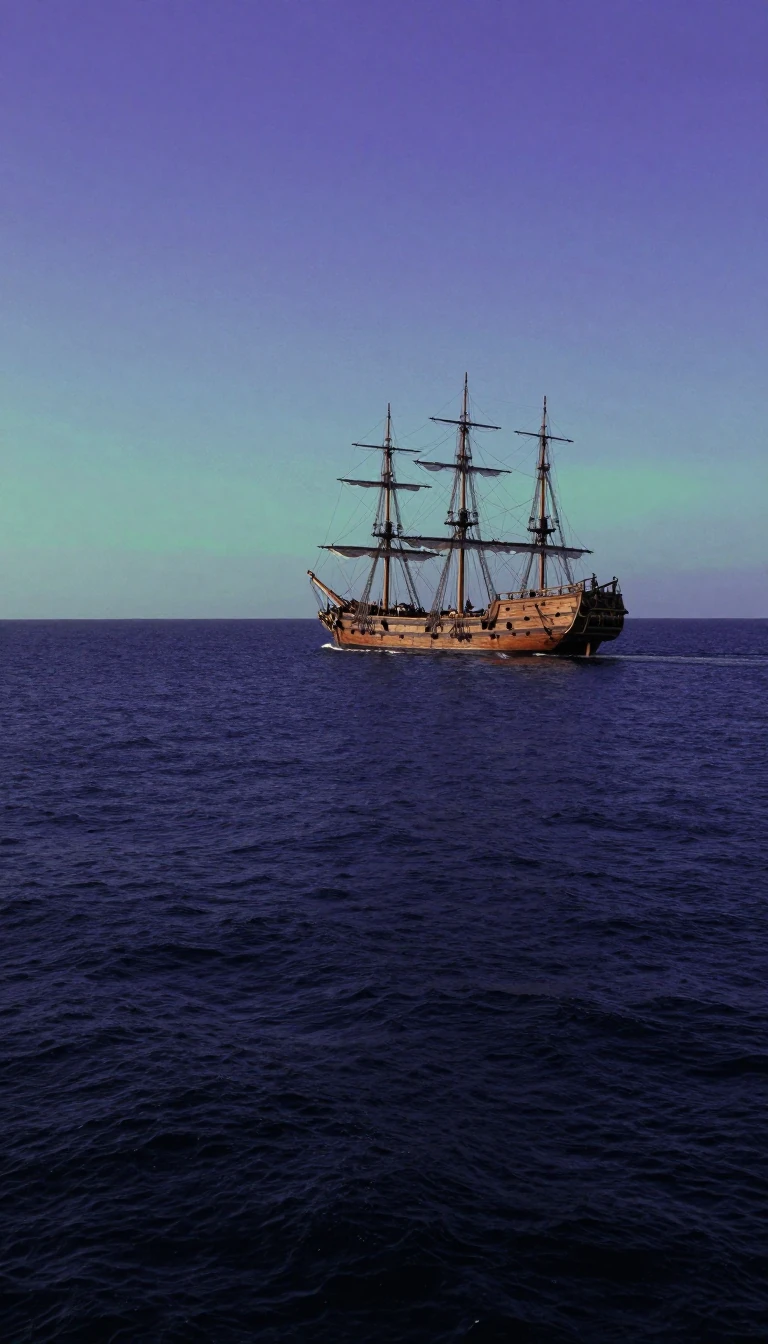 The Royal Navy's most versatile warship was technically not a warship at all.For centuries, the sloop-of-war was the workhorse of the high seas, yet it existed outside the Royal Navy’s formal rating system. From colonial gunboat diplomacy to hunting U-boat…
 Slovakia's long road to sovereignty: from the Highlands of Hungary to independent nationhoodFor centuries, the ancestors of modern Slovaks lived as subjects of the Hungarian crown, defined by their geography rather than a distinct national identity. It took the collapse …
 Stalin’s lethal shadow: The secret history of the Soviet Union’s SMERSH counter-intelligence agencyFormed in 1943, SMERSH was a portmanteau of the Russian phrase for death to spies. While its primary mission was to neutralize Nazi infiltrators, this sprawling security apparatus…
 Why Napoleon’s 1812 invasion of Russia stalled at the gates of sacred SmolenskNapoleon Bonaparte entered Russia with over half a million soldiers, seeking a swift, decisive victory to force a surrender. Instead, he found himself bogged down in a brutal, att…
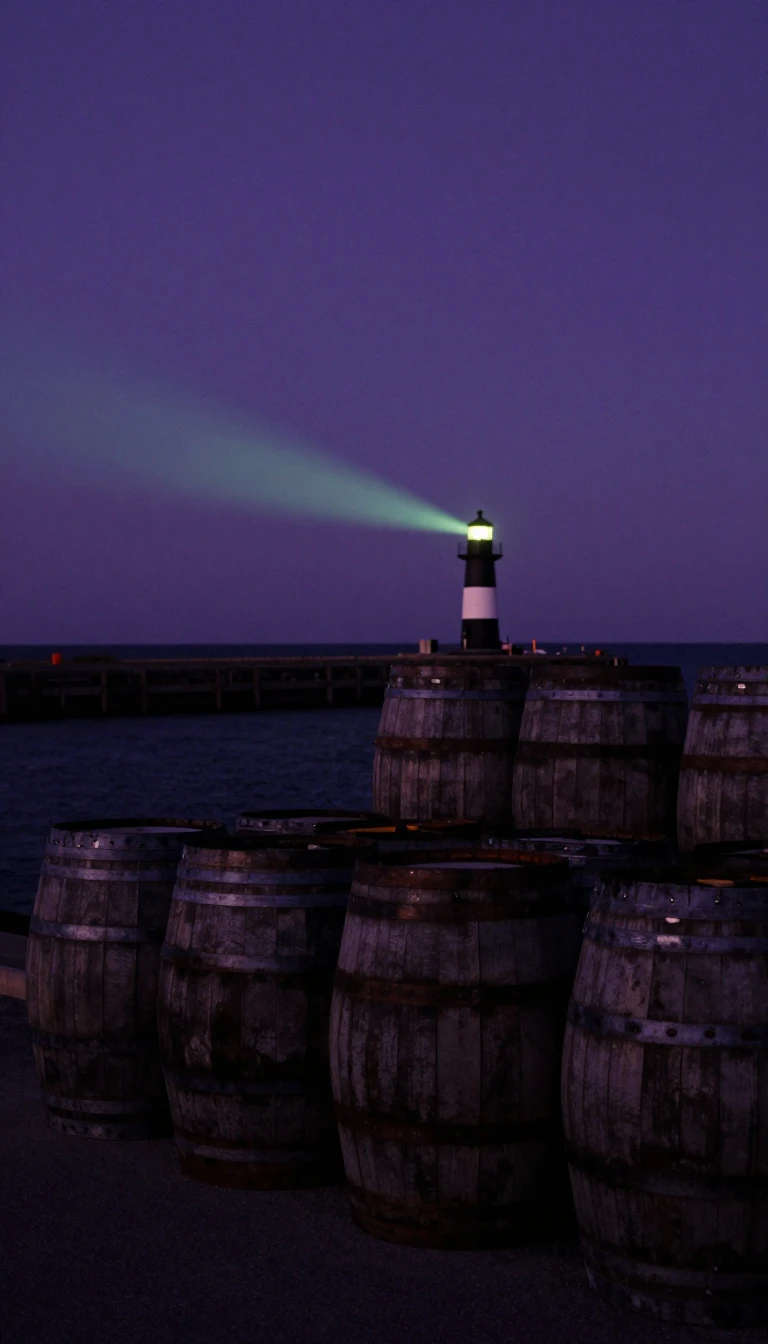 Why do six 18-pounder cannons stand watch on a quiet English seaside green?On the grassy slopes of Southwold, six heavy cannons overlook the North Sea. These relics are not local defenses but captured trophies from the 1745 Jacobite rising. They serve as…
 The Soviet Army was a massive, shifting machine that defined the Cold War era.From its post-WWII peak of over 11 million personnel to its final dissolution in 1992, the Soviet Army was the world's largest land force. It reshaped Eastern Europe, fought proxy…
 How a 1940 Soviet ultimatum reshaped Eastern Europe without a single shot firedIn June 1940, the Soviet Union demanded Romania surrender Bessarabia and Northern Bukovina under threat of invasion. Facing isolation after the fall of France and lacking support …
 Was the Soviet Union a victim or a partner in the Second World War?Common narratives suggest the Soviet Union entered the conflict only when attacked in 1941. Yet, historical records reveal a different reality: Moscow acted as a strategic collabo…
 When Napoleon installed his brother as King of Spain, he ignited a national catastrophe.In 1808, Napoleon Bonaparte forced the Spanish Bourbons to abdicate, placing his brother Joseph on the throne. He expected a smooth transition but instead triggered a brutal, year…
 How a 20th-century colonial force became the elite backbone of the modern Spanish militaryRaised in 1920 to replace ineffective conscripts in North Africa, the Spanish Legion was modeled on the French Foreign Legion. Though it began as a colonial fighting force, it evo…
 The desert territory that became a global flashpoint for sovereignty and phosphate wealthWestern Sahara, a vast desert region on Africa's Atlantic coast, remains a geopolitical puzzle. Once a Spanish province, its transition to independence triggered decades of guerri…
 What are the real origins and missions of the Soviet Union's elite Spetsnaz forces?Spetsnaz is not a single unit, but a broad term for special purpose forces that emerged from the Soviet security apparatus. From clandestine operations in the Spanish Civil War to…
 A squad is more than just a group; it is a shifting tactical puzzle.In military doctrine, the squad is the fundamental building block of combat power. Yet, its size and structure are in constant flux, shaped by evolving technology, shifting rank h…
 Did King Æthelred the Unready order the total extermination of all Danes in England?On 13 November 1002, King Æthelred issued a decree to slay Danes within his territory, citing fears of a coup. While later chroniclers claimed this was a genocide of men, women, a…
 Why the Manchu Banner system was more than just a military forceThe Manchu Banner system, established in 1601, transformed nomadic warriors into a sophisticated administrative machine. By integrating military service with taxation and populati…
 Why is the status of Jerusalem considered one of the world's most intractable conflicts?Jerusalem remains a focal point of the Israeli-Palestinian conflict, with both sides claiming the city as their capital. While Israel asserts sovereignty over a unified city, the …
- How Imperial Germany’s elite stormtroopers attempted to shatter the stalemate of trench warfareBy 1915, the Great War had devolved into a static, bloody impasse. To break the lines, the German Army developed Stoßtruppen: specialized shock troops trained to bypass strongpoin…
 Strategic depth is the vital buffer between a nation’s heartland and its enemies.Strategic depth measures the distance between a nation’s vital centers—like capitals and industrial hubs—and its front lines. When territory is scarce, countries must rely on dete…
 The Streltsy were Russia's first standing army, until they became a political liability.Established by Ivan the Terrible in the 16th century, the Streltsy were elite firearm infantry who guarded the Kremlin and fought in major wars. Yet, by the late 1600s, this once-…
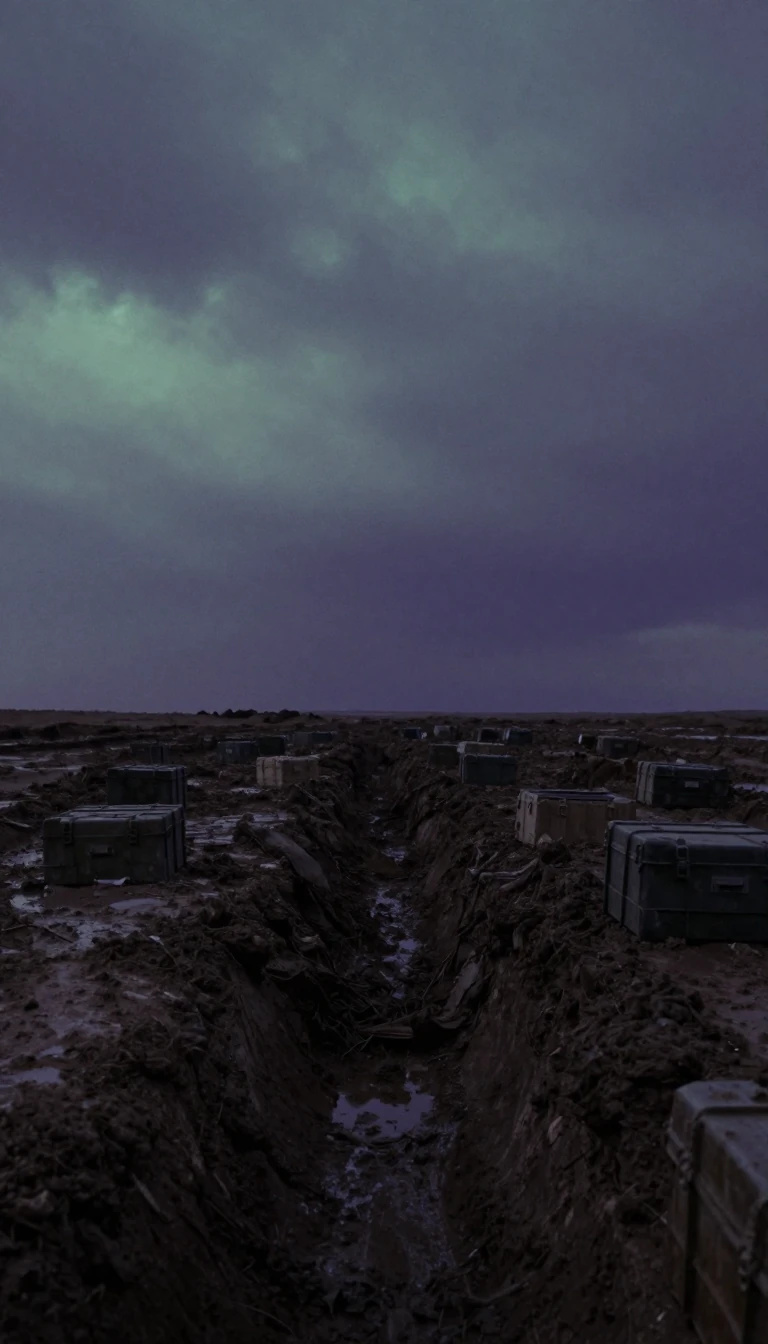 The Su-25: A Cold War Tank in the Sky That Refuses to RetireDesigned to survive the brutal reality of close-range ground combat, the Soviet-era Su-25 is a flying armoured fortress. With a titanium-enclosed cockpit and a rugged airframe, th…
- The Soviet answer to the F-15 that redefined aerial agility and combat powerDesigned to counter American fourth-generation fighters, the Sukhoi Su-27 emerged as a formidable air superiority machine. Known as the Flanker, this twin-engine giant combined ma…
 How a Swedish Baltic dominion survived two centuries of European power strugglesFrom 1630 to 1815, Sweden held a strategic foothold on the southern Baltic coast. This dominion, Swedish Pomerania, remained a complex political anomaly—a territory governed by Sw…
 This ancient Roman road map is the original version of a modern subway diagram.Forget geographic accuracy. The Tabula Peutingeriana was designed for a singular purpose: navigating the Roman Empire's vast public transport network, the cursus publicus. Much li…
 How a ten-year-old boy survived a civil war to rule Safavid Iran for decadesAscending the throne at age ten, Tahmasp I spent his early years as a pawn in a brutal power struggle between rival tribal leaders. He eventually broke free, transforming the Safa…
 The Taishō Era: Japan’s Brief, Fragile Experiment with Liberal Democracy and Global PowerBetween 1912 and 1926, Japan pivoted from imperial oligarchy toward parliamentary democracy. This era of 'great righteousness' saw the rise of commoner prime ministers, labor move…
 The Tangut Empire: A Lost Civilization That Once Controlled the Silk RoadThe Tangut people founded the Western Xia dynasty, a powerful state that thrived for two centuries before being annihilated by Genghis Khan. Though their unique language and scrip…
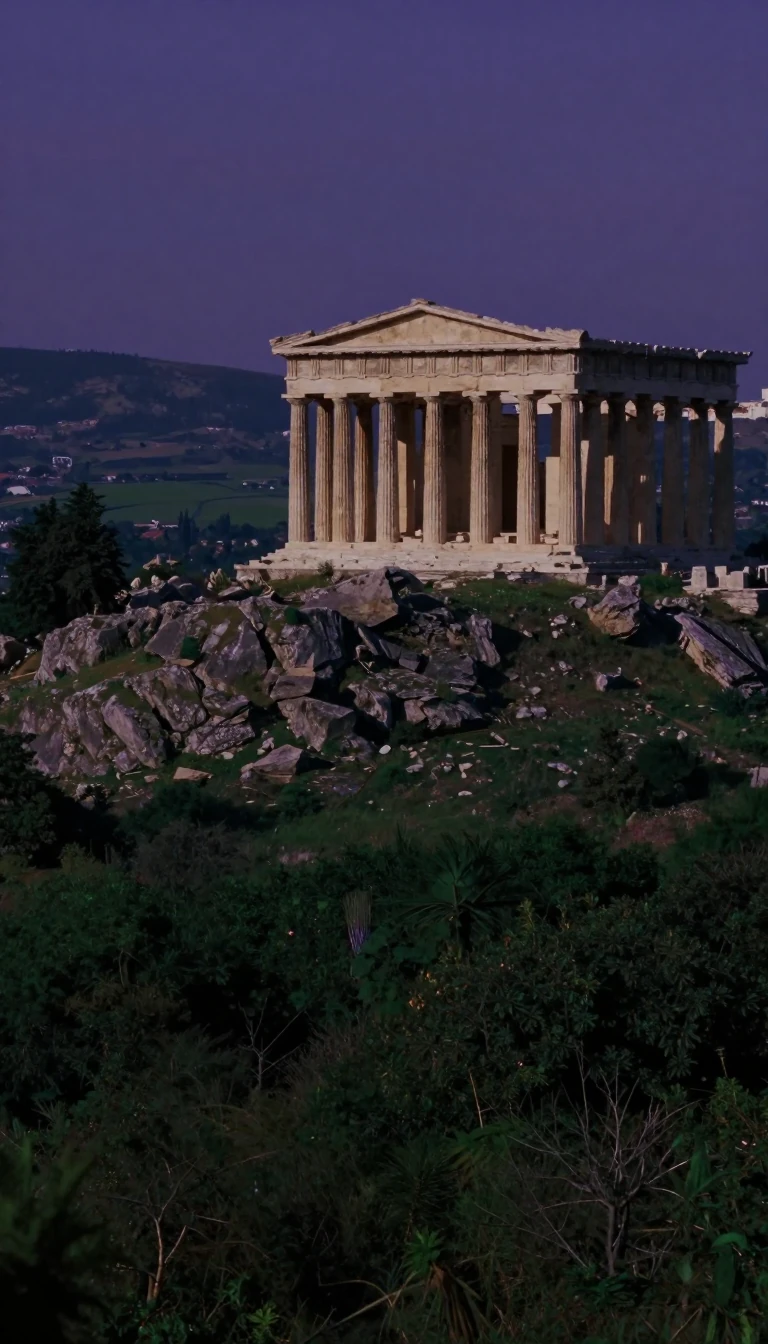 Why did Athens build a grand temple on a remote, wind-swept coastal cliff?The Temple of Poseidon at Sounion was more than a religious site; it was a strategic military outpost. Perched on the southern tip of Attica, this landmark served as a vital surve…
 How the Spanish Tercio dominated European battlefields for over a century and a halfThe tercio was the elite military unit of the Spanish Empire, pioneering a lethal combination of pike and shot. By blending professional infantry with innovative, flexible formati…
 How did Russia expand from a centralized state to a vast, hybrid empire?Beginning in the 16th century, Russia transformed through military conquest and political union. From its consolidation under Ivan III to the sprawling reach of the Russian Empire…
 Why the modern ocean is divided into precise, invisible, and highly contested legal zonesFor centuries, a nation's maritime reach was limited by the range of a cannon shot. Today, international law dictates complex, overlapping boundaries that determine who owns the s…
 Why The Da Vinci Code became the ultimate test of the critic-proof filmWhen Ron Howard’s 2006 adaptation of Dan Brown’s novel premiered at Cannes, critics hissed and catcalled. Yet, the film became a massive commercial juggernaut, grossing $760 milli…
- Is The Daily Beast a high-end tabloid or a serious investigative powerhouse?Founded in 2008, The Daily Beast has carved out a unique space in American media by blending aggressive, gonzo-style reporting with a commitment to exposing scandals. From its ori…
 The Damned were the first UK punk band to release a single and album.Formed in London in 1976, The Damned pioneered the British punk movement before evolving into gothic and psychedelic rock. Despite constant lineup changes and internal friction, t…
 How the BBC transformed Shakespeare's complex history plays into a modern television epicThe Hollow Crown brought Shakespeare’s historical tetralogies to the screen, blending high-stakes political drama with cinematic production. Spanning two distinct series, the proj…
 How a Saxon raised by Vikings became the unlikely architect of a unified EnglandThe Last Kingdom chronicles the turbulent birth of England through the eyes of Uhtred of Bebbanburg. A Saxon nobleman captured and raised by Danes, Uhtred finds himself torn betwe…
 Did a Hollywood epic accurately capture the final stand of Japan's legendary samurai warriors?The 2003 film The Last Samurai dramatizes the 1877 Satsuma Rebellion, blending historical inspiration with a fictional American protagonist. While praised for its production value…
 How a dying author’s notes birthed a massive, 14-volume fantasy epicRobert Jordan planned a trilogy, but his sprawling tale of cyclical time and magical conflict grew into a 14-volume phenomenon. When terminal illness threatened to leave the saga …
 How Pompey the Great tricked Rome into accepting its first permanent stone theatreRome once banned permanent theatres, fearing they encouraged decadence. To bypass this, Pompey the Great built his massive complex in the Campus Martius, disguised as a temple to …
 The brilliant British admiral who was disgraced, exiled, and then hailed as a heroThomas Cochrane was a naval genius whose career spanned continents and multiple revolutionary wars. Despite his tactical brilliance, his abrasive personality and political defianc…
- Was the British Commander-in-Chief's Wife the Secret Source of the American Revolution's First Shots?General Thomas Gage, the British administrator tasked with crushing colonial dissent, faced a catastrophic intelligence leak before the Battles of Lexington and Concord. While he …
 Why the most powerful nobleman in Elizabethan England plotted his own queen's downfallThomas Howard, 4th Duke of Norfolk, was a cousin to Elizabeth I and one of England's wealthiest landowners. Yet, he risked everything to marry Mary, Queen of Scots, and lead a tre…
 How one nobleman survived the Wars of the Roses by masterfully playing both sidesThomas Stanley, 1st Earl of Derby, navigated the bloodiest era of English history by serving successive rival kings. While his contemporaries faced execution, Stanley expanded his…
 How a small guerrilla group transformed from Marxist rebels into Ethiopia's dominant political power.Founded in 1975 by eleven men in a remote cave, the Tigray People's Liberation Front evolved from a regional insurgency into the architect of Ethiopia's ethnic federalism. For nea…
 Why do place names hold the secrets to our forgotten history and culture?Toponymy is the taxonomic study of place names, revealing far more than simple geography. By analyzing the etymology and history behind names for towns, rivers, and mountains, res…
 How a single Belgian city became the only one ever ruled by EnglandTournai, a historic hub in modern Belgium, holds a unique place in history: it is the only Belgian city to have been governed by England. Captured by Henry VIII in 1513, the city …
 Why is Jerusalem's most famous fortress named after a king who never built it?The Tower of David is a misnomer born from a biblical misunderstanding. While the citadel guards the Jaffa Gate, its name originated in the 5th century when Byzantine monks mistoo…
- Did a series of 1767 tax laws accidentally trigger the American Revolution?The Townshend Acts were designed to assert British authority and fund colonial governance, but they backfired spectacularly. By attempting to bypass colonial assemblies and enforc…
- How a brutal 1718 blizzard decimated a Swedish army invading Central NorwayTrøndelag has long been a strategic prize, caught between shifting borders and foreign ambitions. In 1718, a Swedish invasion force of 10,000 men sought to seize the region, only …
 How the Treaty of Lausanne forged the modern Republic of Turkey from imperial ruinsSigned in 1923, the Treaty of Lausanne was the definitive conclusion to World War I. It replaced the failed Treaty of Sèvres, formalizing the independence of the new Republic of T…