The cinematic power of a single, continuous rotation
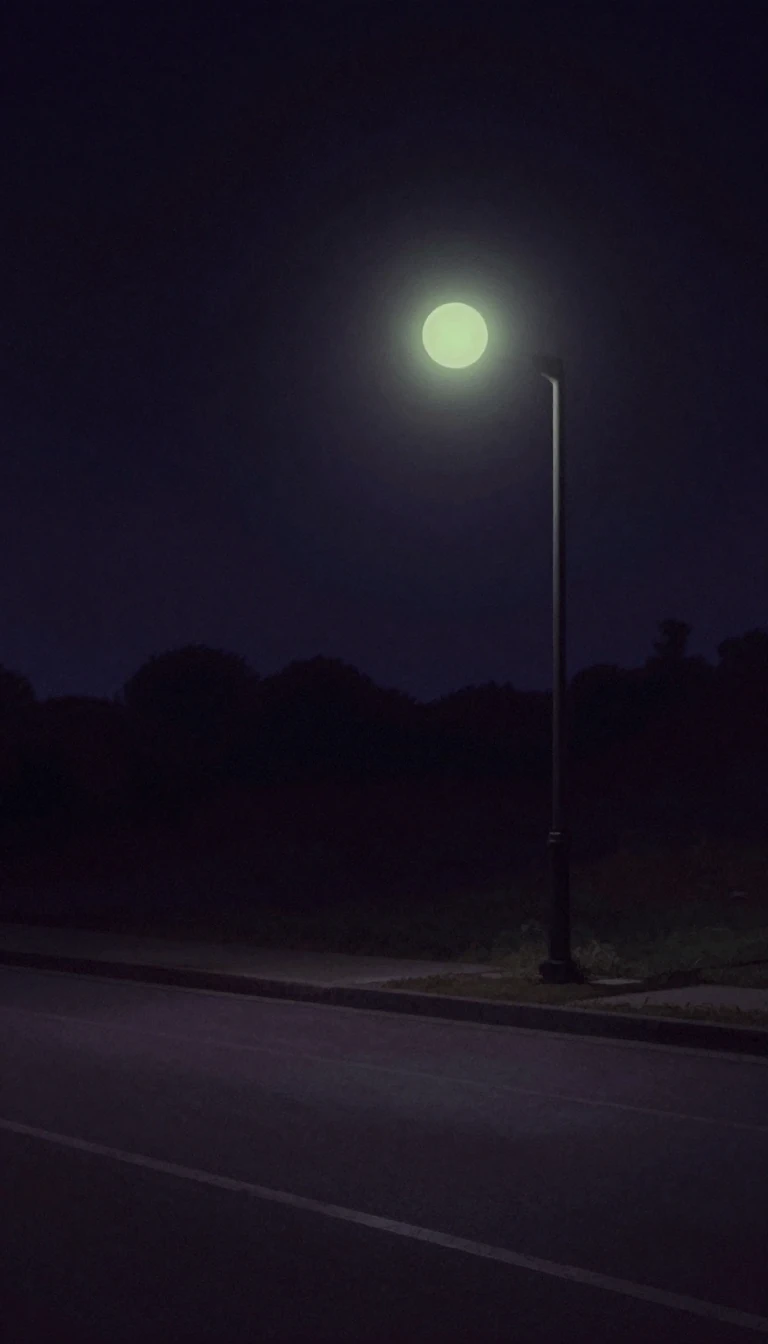
In short: What happens when a camera mimics the rhythmic sweep of a lighthouse beam? In Tacita Dean's Disappearance at Sea II, the medium of film becomes the subject itself. By capturing a single, uninterrupted rotation, Dean transforms a mechanical movement into a profound exploration of light, time, and projection.
Tacita Dean’s Disappearance at Sea II (1997) is a 4-minute loop filmed in 16mm anamorphic color. Unlike traditional narratives, the work relies on the reflexive nature of film. By mounting a camera on the lighting apparatus of the Longstone Lighthouse in the Farne Islands, Dean ensures the camera’s eye follows the exact trajectory of the lighthouse beam. This creates a symmetry where the viewer sees only what the light illuminates, capturing reflections in curved windows and the surrounding sea. The film is deeply rooted in the relationship between light and time. It draws inspiration from the story of Donald Crowhurst, an amateur yachtsman who disappeared in 1968, and the medieval legend of Tristan and Isolde. Dean specifically references the "voyage de guérison"—a journey of healing—where Tristan drifted toward a magical island. By using an anamorphic lens for a single continuous shot, Dean emphasizes the phenomenon of projection, which is the core essence of the cinematic medium. The sensory experience is further layered through a complex soundscape. Rather than being recorded on-site, the audio was created by blending short-wave radio signals with the noise of a fish and chip shop's ventilator. This, combined with the rhythmic clicking of the projector in a gallery setting, creates a dialogue between the physical mechanics of the film and the simulated environment of the lighthouse.
Opens the Intellect+ feed with this card first. Swipe up for the next one.
Sources
- Summary by Intellect · source: Disappearance at Sea II
- Also: Dean Stockwell
To cite this card, link to https://intellectplus.co.uk/app/art-dean-stockwell.
How we source, check and correct cards: Editorial standards.
General information, not professional advice. Spotted an error? Flag the card or see corrections and complaints.
Intellect Plus is a visual educational discovery platform for exploring fascinating facts and ideas. Brain Food, Not Brain Rot. What is Intellect Plus?
Related
More in Entertainers · More in Art · Latest · A–Z · All topics
