How a Nisei horticulturist transformed the ancient art of bonsai into a global language.
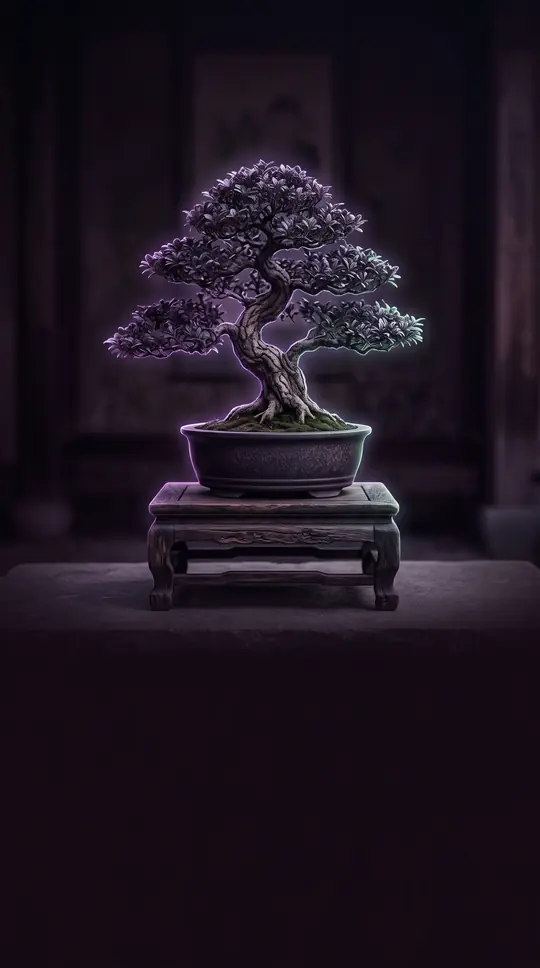
In short: John Naka did not just teach bonsai; he redefined it for the West. By moving away from traditional Japanese species and embracing native American trees, he turned a rigid, centuries-old practice into a living, breathing philosophy that emphasizes personal growth over the final aesthetic result of the tree.
Born in Colorado in 1914, John Yoshio Naka spent his formative years in Japan, where he first learned the craft of bonsai from his grandfather. Upon returning to the United States in 1935, he eventually settled in Los Angeles, where he became a pivotal figure in popularizing the art form. Unlike many of his contemporaries, Naka championed the use of local Southern California trees, a departure from the traditional species favored in Japan. He famously declined to teach in Japan, noting that instructing masters there would be akin to preaching to Buddha.
Naka’s influence was cemented through his seminal texts, Bonsai Techniques I and II, which remain essential reading for Western practitioners. His philosophy extended beyond technical skill, emphasizing that a true bonsai requires a blend of botany, artistry, and human quality. He believed the process was reciprocal: the artist does not merely work on the tree; the tree works on the artist. This perspective is perhaps best captured in his most famous composition, Goshin, or 'protector of the spirit,' a group planting of eleven foemina junipers representing his grandchildren.
Throughout his life, Naka received numerous accolades, including the Order of the Rising Sun from Emperor Hirohito in 1985 and a National Heritage Fellowship in 1992. His legacy endures at the National Bonsai and Penjing Museum, where the North American Pavilion bears his name. Even after his death in 2004, his impact remains profound, as evidenced by his 2014 induction into the museum's Hall of Fame. His life’s work serves as a reminder that, like a bonsai, the pursuit of mastery is a process that has a beginning but no end.
Opens the Intellect+ feed with this card first. Swipe up for the next one.
Sources
- Summary by Intellect · source: John Naka
To cite this card, link to https://intellectplus.co.uk/app/art-john-naka.
How we source, check and correct cards: Editorial standards.
General information, not professional advice. Spotted an error? Flag the card or see corrections and complaints.
Intellect Plus is a visual educational discovery platform for exploring fascinating facts and ideas. Brain Food, Not Brain Rot. What is Intellect Plus?
Related
More in Visual artists · More in Art · Latest · A–Z · All topics
