How a Prussian Peace Gate Became the Global Symbol of German Unity
In short: Commissioned in 1788 as a neoclassical entrance to Berlin, the Brandenburg Gate has transformed from a royal monument into a stage for history. Once a symbol of division during the Cold War, it now stands as the heart of a reunified Germany, hosting everything from victory rallies to international protests.
Built between 1788 and 1791 by architect Carl Gotthard Langhans, the Brandenburg Gate was originally named the Peace Gate. King Frederick William II of Prussia commissioned the structure to establish Berlin as a cultural capital, drawing inspiration from the Propylaea of the Athenian Acropolis. The monument features twelve Doric columns forming five passageways, with the central arch historically reserved for royalty and ambassadors. Its crowning quadriga, a chariot drawn by four horses, was sculpted by Johann Gottfried Schadow and has endured a turbulent history, having been seized by Napoleon in 1806 and returned to Berlin in 1814.
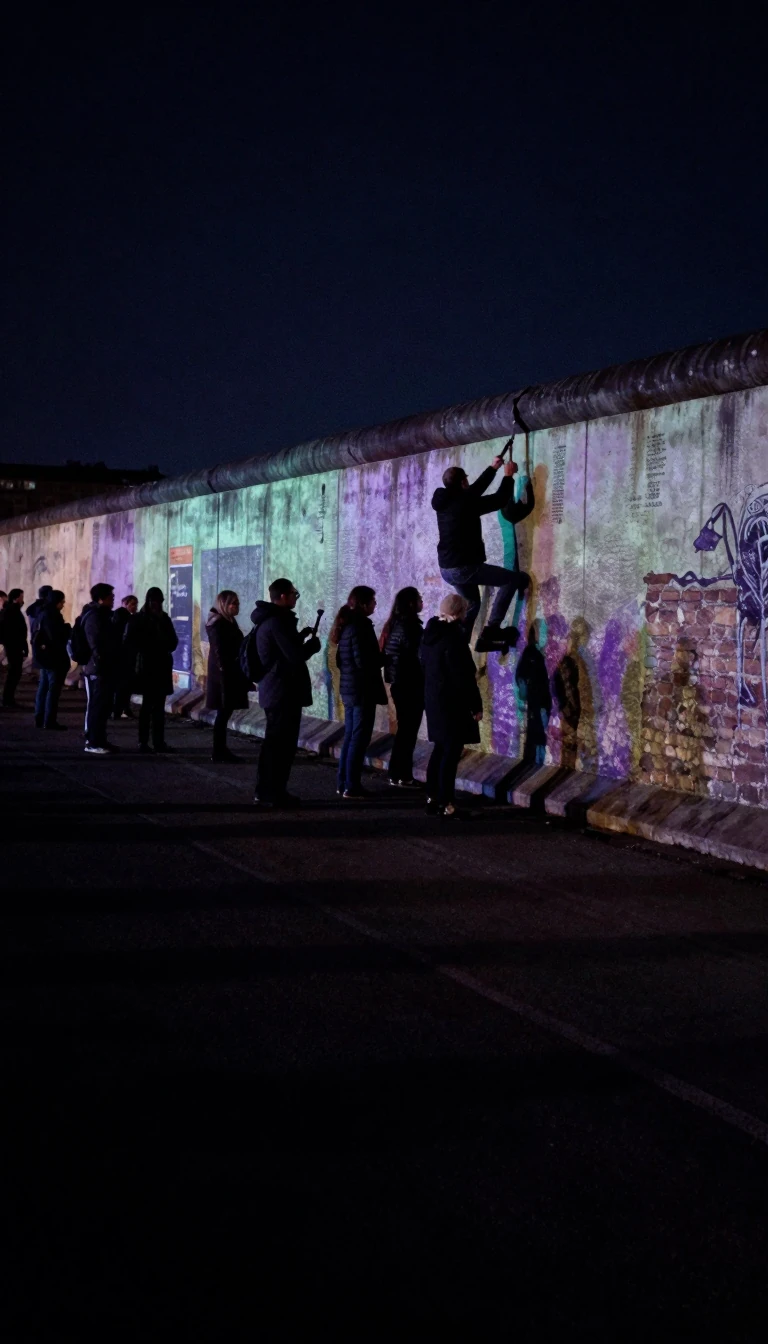
The gate’s political significance shifted dramatically throughout the 20th century. During the Cold War, the Berlin Wall rendered the site a desolate marker of separation, inaccessible to citizens from 1961 until its reopening on December 22, 1989. This closure made it the focal point for international calls for freedom, most notably Ronald Reagan’s 1987 demand for Mikhail Gorbachev to tear down the wall. Following the fall of the wall, the gate became the site of the official reunification ceremony on October 3, 1990, and a venue for the 20th-anniversary 'Festival of Freedom' in 2009.
Today, the gate serves as a pedestrian-only landmark and a central gathering point for major public events, including New Year’s Eve celebrations and sports victory rallies. Despite its status as a symbol of peace, it remains a site of active discourse; in 2023, climate activists vandalized the columns, sparking debate over the limits of protest. Whether illuminated in solidarity with global causes or serving as a finish line for the Berlin Marathon, the monument remains a living, breathing participant in the city's ongoing history.
Opens the Intellect+ feed with this card first. Swipe up for the next one.
Sources
- Summary by Intellect · source: Brandenburg Gate
- Also: Brandenburg Gate | Facts, History, Speech, & Berlin Wall | Britannica
To cite this card, link to https://intellectplus.co.uk/app/culture-brandenburg-gate.
How we source, check and correct cards: Editorial standards.
General information, not professional advice. Spotted an error? Flag the card or see corrections and complaints.
Intellect Plus is a visual educational discovery platform for exploring fascinating facts and ideas. Brain Food, Not Brain Rot. What is Intellect Plus?
Related
More in Festivals & celebrations · More in Cultures · Latest · A–Z · All topics
