The Roman Emperor who traded a throne for a cabbage patch
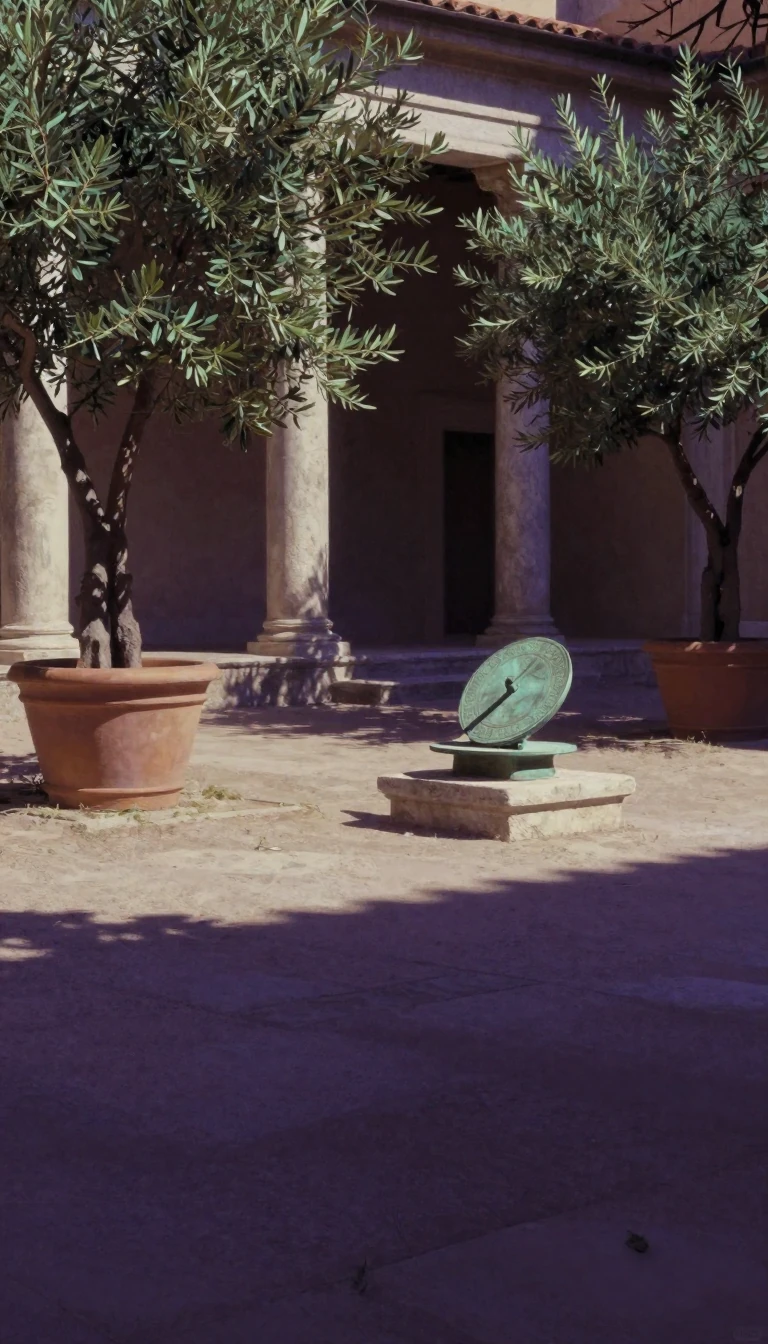
In short: In 305 AD, the Roman Emperor Diocletian abdicated his power to retire to a massive fortress-palace in Croatia. He famously claimed he preferred the peace of his private garden to the greed of the throne. Today, his retirement home remains a living city, inhabited for nearly 1,700 years.
Constructed toward the end of the 3rd century, the palace was designed as a retirement residence for Diocletian. While it functioned as a fortified compound, it was split between personal use for the emperor and housing for a military garrison. The site was chosen near Salona, the capital of Dalmatia, and was modeled after 3rd-century Roman forts. Notably, the complex features sixteen towers and massive walls, reflecting a military aesthetic that served as a literal and symbolic barrier between the ruler and the world.
The palace's architecture reveals a fascinating cultural synthesis. While the layout mirrors Roman military camps, scholars like Anne Hunnell Chen suggest it may have been influenced by Sasanian (Persian) palace designs. This influence likely arrived via architects and engineers who accompanied Roman troops on Persian campaigns. This inclusion of Eastern elements, such as specific dome techniques, allowed the Roman administration to project power using a visual language that was recognizable to both domestic and international audiences.
Following Diocletian's death in 312 AD, the palace remained an imperial possession before the 7th-century invasions of Avars and Slavs forced refugees to seek shelter within its walls. This transition transformed the fortress into a permanent settlement. Unlike many ruins, it has been continuously occupied; residents today still live and work within the original Roman walls. It was later rediscovered by the West in the 18th century, where its ruins inspired the Neoclassical movement and the work of architect Robert Adam.
The palace stands as a unique archaeological site where history is layered physically. From the 12th-century Romanesque bell towers to the 7th-century churches built into the gates, the structure has evolved from a private sanctuary into a public urban center. It remains one of the most complete examples of a Roman palace in existence, preserved not just as a museum, but as a functioning part of the modern city of Split.
Opens the Intellect+ feed with this card first. Swipe up for the next one.
Sources
- Summary by Intellect · source: Diocletian's Palace
- Also: Wikidata — Diocletian's Palace · CC0
To cite this card, link to https://intellectplus.co.uk/app/places-diocletian-s-palace.
How we source, check and correct cards: Editorial standards.
General information, not professional advice. Spotted an error? Flag the card or see corrections and complaints.
Intellect Plus is a visual educational discovery platform for exploring fascinating facts and ideas. Brain Food, Not Brain Rot. What is Intellect Plus?
Related
More in World Heritage Sites · More in Countries & Cities · Latest · A–Z · All topics
