How a national treasure transformed from a modest collection into a global cultural powerhouse.
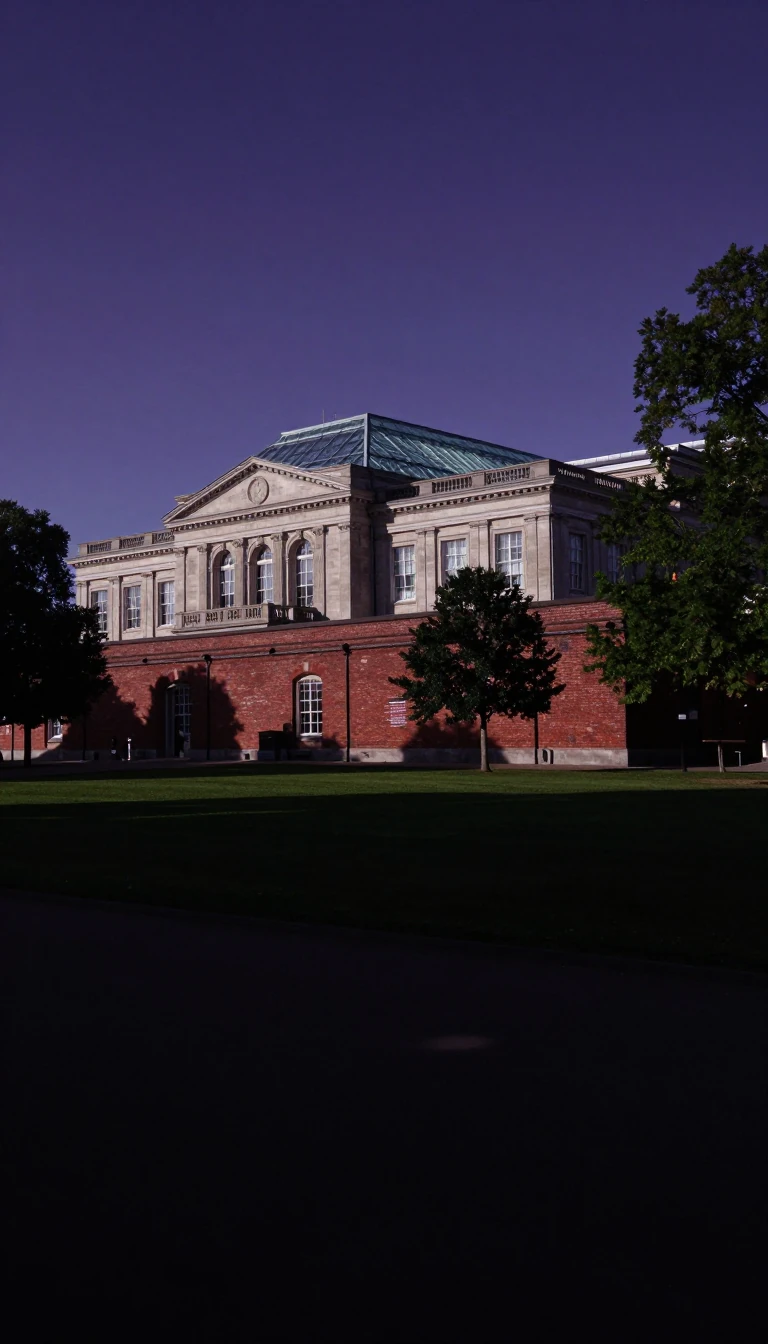
In short: The Rijksmuseum is more than a home for Dutch masterpieces; it is a living institution that has survived royal shifts, massive renovations, and changing historical perspectives. From its humble beginnings in five rooms to its status as a record-breaking destination, it remains a central pillar of global art history.
Founded in 1798 in The Hague, the museum was initially a modest project intended to serve the national interest. It moved to Amsterdam in 1808 under the orders of King Louis Bonaparte, eventually settling into its iconic, gothic-renaissance main building designed by Pierre Cuypers. This structure, which opened in 1885, has undergone significant evolution, including a decade-long, 375-million-euro renovation that concluded in 2013. This project, led by architects Antonio Cruz and Antonio Ortiz, aimed to create a seamless synergy between the building's historic character and modern functional needs.
The museum’s collection is vast, spanning eight centuries of arts and history from 1200 to 2000. While it houses roughly one million objects, only about 8,000 are on display at any given time. The holdings include over 2,000 paintings from the Dutch Golden Age, featuring works by masters like Rembrandt, Frans Hals, and Johannes Vermeer. Beyond traditional fine art, the museum preserves diverse artifacts, such as the royal crest from HMS Royal Charles and the FK35 Bantam biplane, reflecting a broad commitment to Dutch heritage.
In recent years, the institution has actively re-evaluated its narrative. In 2021, it presented a landmark exhibition examining the role of the Dutch colonial empire in the history of slavery, which affected over 1.6 million people. This initiative included adding labels to 77 permanent collection items to highlight previously obscured connections to the slavery system. Simultaneously, the museum has embraced digital accessibility; its Rijksstudio platform now hosts 700,000 high-resolution images under a copyright-free license, ensuring that its treasures remain available to the public worldwide.
Opens the Intellect+ feed with this card first. Swipe up for the next one.
Sources
- Summary by Intellect · source: Rijksmuseum
To cite this card, link to https://intellectplus.co.uk/app/art-rijksmuseum.
How we source, check and correct cards: Editorial standards.
General information, not professional advice. Spotted an error? Flag the card or see corrections and complaints.
Intellect Plus is a visual educational discovery platform for exploring fascinating facts and ideas. Brain Food, Not Brain Rot. What is Intellect Plus?
Related
More in Cultural venues · More in Art · Latest · A–Z · All topics
