How wartime scarcity transformed the silhouette of global fashion
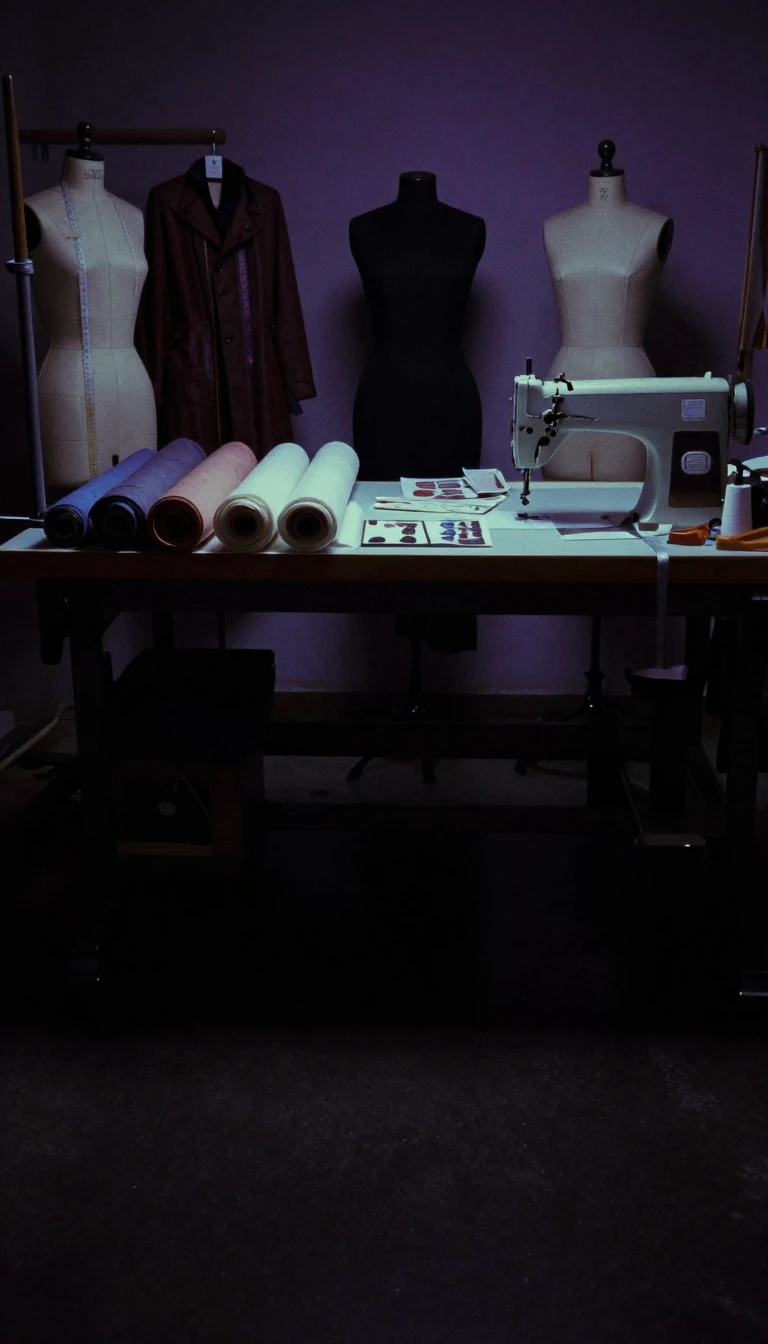
In short: When World War II stripped away luxuries like silk and lace, fashion didn't disappear. Instead, it pivoted toward a structured, 'mannish' aesthetic. From the rise of American ready-to-wear to the survival of Parisian couture under occupation, discover how resource shortages redefined elegance.
The 1940s were split into two distinct eras: a wartime period of extreme scarcity and a post-war phase of cautious revival. During the war, the glamorous, flowing silhouettes of the 1930s—characterized by bias-cut satins and chiffon—were abandoned for practical, resource-efficient designs. The new dominant look featured square, padded shoulders, belted waists, and hemlines just below the knee, creating a more utilitarian, structured appearance.
In the United Kingdom, the Utility Clothing Scheme and strict rationing dictated much of the decade's style. By 1945, roughly 85% of all British garments were produced under this scheme, marked by the CC41 label. Austerity directives even limited the number of seams and pleats allowed in a single dress to minimize fabric waste. To combat shortages, the 'Make Do and Mend' campaign encouraged citizens to repurpose army blankets into coats or use shirt tails to repair frayed collars.
While the German occupation of Paris from 1940 to 1944 threatened to destroy the French fashion industry, leaders like Lucien Lelong fought to keep couture houses open. Lelong successfully negotiated to prevent the mass redeployment of skilled workers to war industries, preserving 12,000 jobs. Meanwhile, in the United States, the absence of French designers allowed American innovators like Claire McCardell and Norman Norell to flourish, shifting the industry's center of gravity toward American ready-to-wear.
Fashion also became a tool for political identity. The Nazi regime attempted to replace French terminology with German equivalents and promoted a 'Gretchen' ideal of natural, robust femininity. Conversely, in occupied Paris, subcultures like the Zazous used forbidden American swing music and wide-shouldered jackets to express resistance, proving that even under the most stringent controls, clothing remained a vital medium for social and personal expression.
Opens the Intellect+ feed with this card first. Swipe up for the next one.
Sources
- Summary by Intellect · source: 1940s in Western fashion
To cite this card, link to https://intellectplus.co.uk/app/culture-1940s-in-western-fashion.
How we source, check and correct cards: Editorial standards.
General information, not professional advice. Spotted an error? Flag the card or see corrections and complaints.
Intellect Plus is a visual educational discovery platform for exploring fascinating facts and ideas. Brain Food, Not Brain Rot. What is Intellect Plus?
Related
More in Fashion through the ages · More in Cultures · Latest · A–Z · All topics
