How the 1920s invented the modern fashion cycle of mix-and-match separates
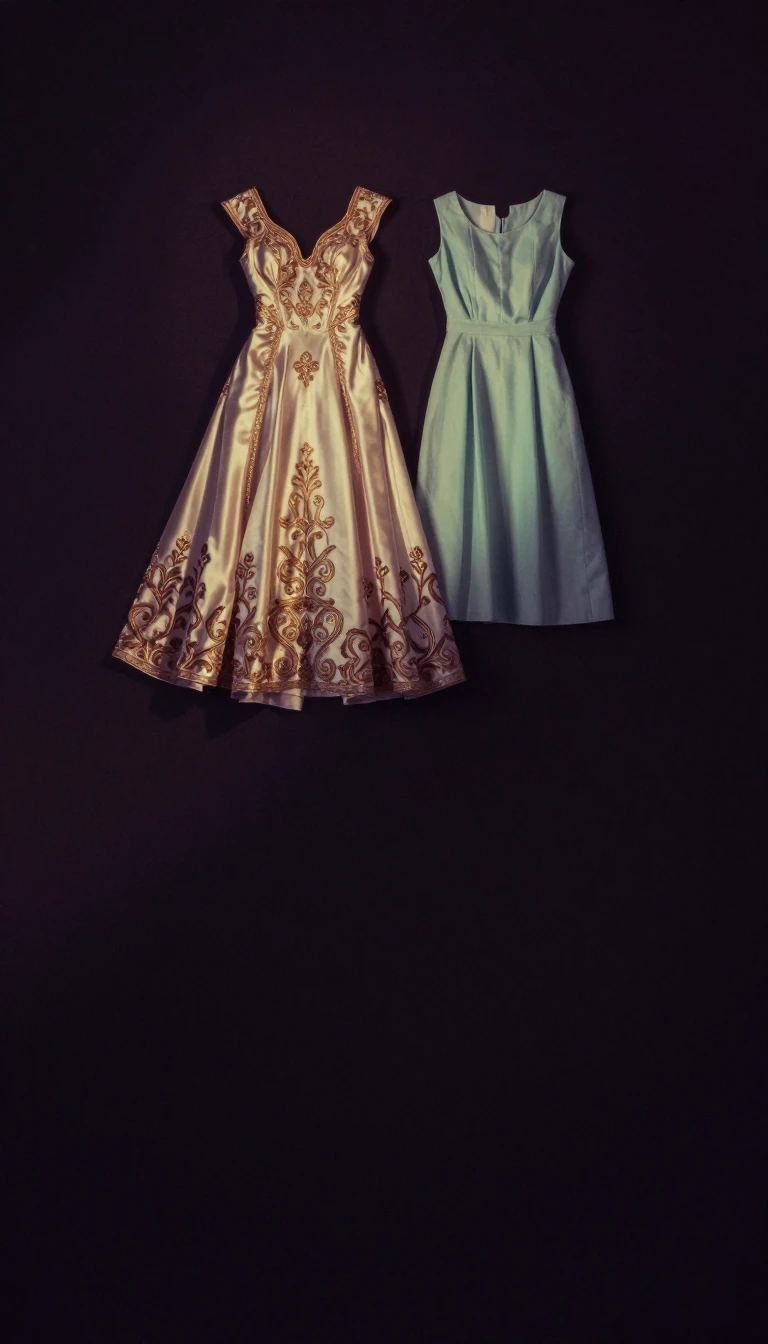
In short: Before the 1920s, women's fashion was a rigid performance of Victorian constraints. Then came a revolution: clothing became practical, masculine, and liberated. From the rise of rayon to the invention of the cocktail dress, this era didn't just change what people wore—it created the blueprint for how we dress today.
The 1920s marked a radical departure from the restrictive S-bend corsets of the Victorian era toward a 'columnar silhouette.' This shift was fueled by profound social changes: women entered the workforce in record numbers, won the right to vote (19th Amendment), and sought greater physical mobility. To accommodate this, undergarments evolved into 'corselets'—predecessors to the modern girdle—which featured little to no boning to allow for easier movement during work or new dances like the Charleston.
Technological innovation was a primary driver of these trends. The decade saw the rise of rayon, an 'artificial silk' first produced in the U.S. in 1910, which made luxurious-looking stockings and undergarments affordable for the masses. Furthermore, the development of metal hooks and eyes simplified fastening clothing, while improved production methods allowed working-class women to adopt 'day suits.' These were less expensive variations of high-fashion designs, tailored for technologically focused careers as typists or telephone operators.
The era also birthed the modern fashion cycle. Designers began favoring 'separates' in fabrics like jersey, which could be mixed and matched for various activities—from car rides to theater outings. This versatility extended to the 'cocktail dress,' a French invention that allowed women to transition from afternoon events to evening socializing simply by swapping accessories. While high-end designers still used silk and velvet, department stores democratized these styles using synthetic fabrics and mannequins to showcase new ways of accessorizing.
The 'flapper' look remains the decade's most iconic symbol of this liberation. Characterized by bobbed hair (a radical move that faced family rejection in some circles) and straight-line chemises, it prioritized a flattened bust line over traditional femininity. This aesthetic was deeply intertwined with art movements like Surrealism, influencing designers like Elsa Schiaparelli to incorporate 'beyond the real' concepts into wearable fashion.
Opens the Intellect+ feed with this card first. Swipe up for the next one.
Sources
- Summary by Intellect · source: 1920s in Western fashion
To cite this card, link to https://intellectplus.co.uk/app/culture-1920s-in-western-fashion.
How we source, check and correct cards: Editorial standards.
General information, not professional advice. Spotted an error? Flag the card or see corrections and complaints.
Intellect Plus is a visual educational discovery platform for exploring fascinating facts and ideas. Brain Food, Not Brain Rot. What is Intellect Plus?
Related
More in Fashion through the ages · More in Cultures · Latest · A–Z · All topics
