How the bicycle transformed women's fashion and liberated the 1890s silhouette
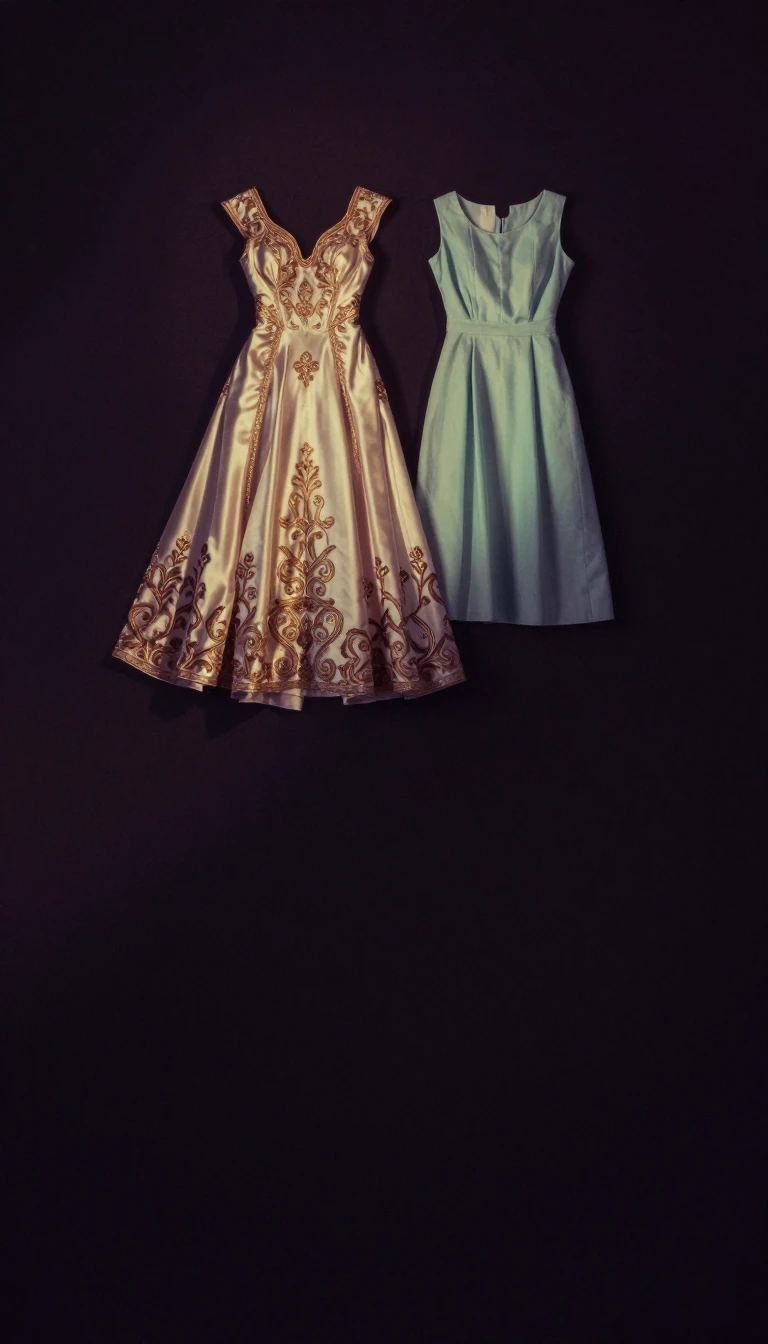
In short: The 1890s marked a pivotal shift in Western style, driven by the invention of the safety bicycle. As women gained mobility, the demand for functional clothing challenged rigid gender norms, replacing heavy, restrictive garments with athletic, tailored designs and the iconic, practical bloomer, forever altering the female silhouette.
The 1890s represented a complex intersection of traditional Victorian restraint and a burgeoning desire for physical agency. While corseting remained a persistent, even intensifying, feature of the era—helping to define the hourglass figure immortalized by artist Charles Dana Gibson—the decade simultaneously embraced a more natural silhouette. This evolution was largely catalyzed by the rise of the drop-frame safety bicycle, which necessitated clothing that allowed for freedom of movement. Sports such as tennis, hockey, and cycling became increasingly popular, leading to the development of 'rational dress' and functional sportswear, including shorter skirts and the Turkish-trouser style known as bloomers.
Beyond the bicycle, the decade saw the influence of the Aesthetic Movement, championed by figures like John Ruskin and William Morris. This philosophy promoted artistic, uncorseted styles, most notably the tea gown, which began to transition from private, at-home attire to acceptable wear for fashionable summer resorts. Simultaneously, the shirtwaist—a high-collared, tailored garment modeled after men's shirts—became the standard uniform for working women, reflecting a broader trend toward unfussy, practical clothing that mirrored the simplicity of masculine tailoring.
The presentation of fashion also underwent a technological shift. While illustrations remained the primary medium for fashion magazines, the French publication La Mode Pratique introduced printed fashion photography in 1892, establishing a new weekly standard for visual communication. By the end of the decade, the silhouette had evolved from the puffy 'leg-of-mutton' sleeves that peaked in 1895 toward a more elongated, S-bend shape. This transition, alongside the adoption of shorter hemlines like the 'rainy daisy' skirt, signaled the end of the century's traditional constraints and the beginning of a more functional, modern approach to dress that would define the early 20th century.
Opens the Intellect+ feed with this card first. Swipe up for the next one.
Sources
- Summary by Intellect · source: 1890s in Western fashion
To cite this card, link to https://intellectplus.co.uk/app/culture-1890s-in-western-fashion.
How we source, check and correct cards: Editorial standards.
General information, not professional advice. Spotted an error? Flag the card or see corrections and complaints.
Intellect Plus is a visual educational discovery platform for exploring fascinating facts and ideas. Brain Food, Not Brain Rot. What is Intellect Plus?
Related
More in Fashion through the ages · More in Cultures · Latest · A–Z · All topics
