Why the 1930s was the decade that redefined modern glamour and the female silhouette
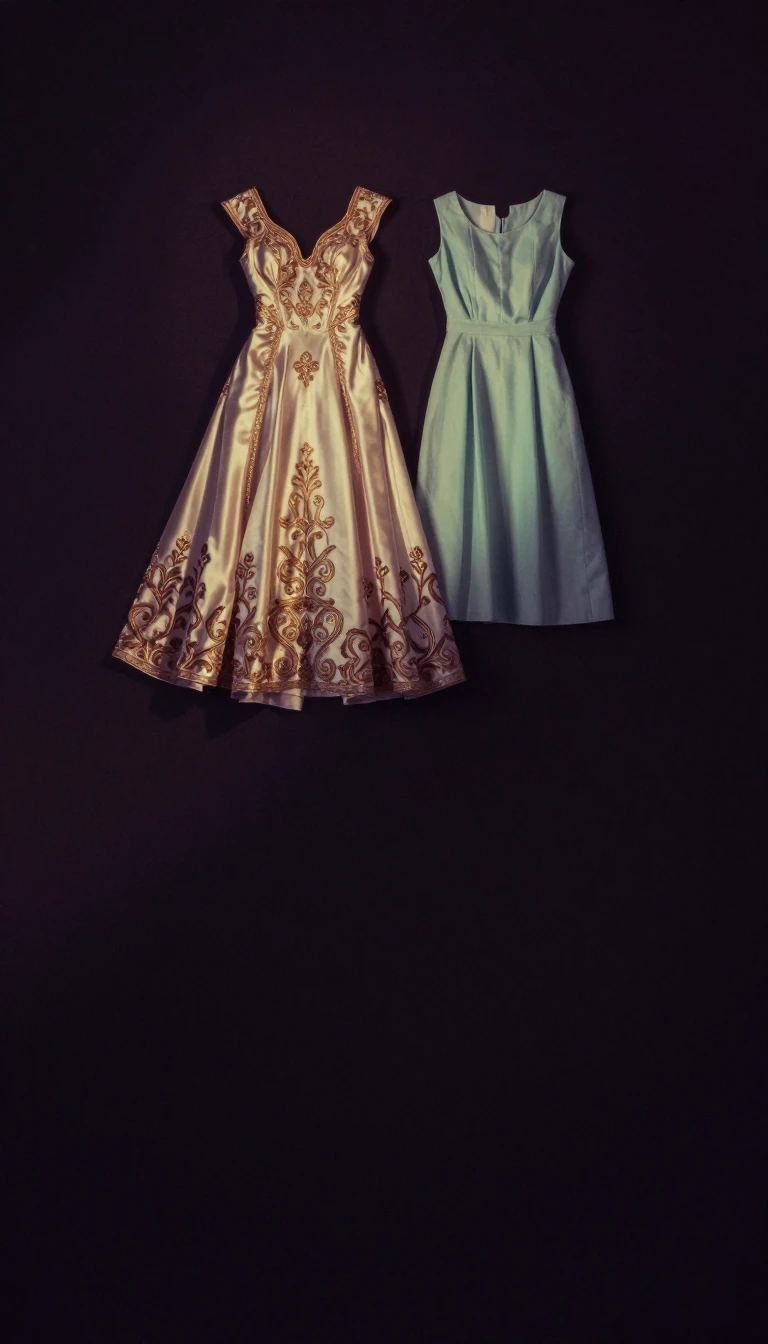
In short: Caught between the roaring twenties and wartime austerity, the 1930s are often dismissed as a mere transition. Yet, this era birthed the bias cut, the Hollywood star system, and a paradox of opulent elegance that flourished despite the crushing economic reality of the Great Depression. It was the true design decade.
The 1930s marked a decisive shift away from the flat, boyish silhouettes of the 1920s. As the Great Depression took hold, fashion moved toward a more mature, feminine form. The natural waistline returned, and hemlines dropped, creating a look that historians have interpreted as a reaction to the end of the Jazz Age. This transition was not merely a response to economic hardship; it was a sophisticated evolution of style that emphasized the body itself. The innovation of the bias cut, pioneered by Madeleine Vionnet, allowed fabric to drape smoothly over the figure without the need for restrictive underlayers, effectively turning the woman's own muscles into the garment's support structure.
Hollywood emerged as the primary engine for this new aesthetic, replacing the traditional dominance of Parisian haute couture. Studios cultivated a relatable yet aspirational ideal of glamour, with stars like Joan Crawford and Jean Harlow becoming the era's most influential trendsetters. When Crawford wore a white organdie gown in the 1932 film Letty Lynton, the design became a global sensation, with retailers and home sewers rushing to replicate the look. This era of 'inconspicuous consumption' allowed the wealthy to dress simply while the middle class adopted affordable, stylish versions of film costumes, effectively leveling visible class distinctions in dress.
Beyond the streamlined neoclassical aesthetic, the decade embraced a startling paradox of surrealism and romanticism. Designers like Elsa Schiaparelli collaborated with artists such as Salvador Dalí to create provocative, whimsical pieces, including hats shaped like shoes and dresses featuring lobster motifs. Simultaneously, a romantic revival—boosted by royal influence—brought frills and ruffles back into vogue. This tension between the sleek, modern bias-cut sheath and the nostalgic, ornamental gown defined the 1930s. It was a period where fashion became a complex cultural language, requiring one to read the garments themselves to understand how they navigated the tumultuous political and social currents of the time.
Opens the Intellect+ feed with this card first. Swipe up for the next one.
Sources
- Summary by Intellect · source: 1930s in Western fashion
To cite this card, link to https://intellectplus.co.uk/app/culture-1930s-in-western-fashion.
How we source, check and correct cards: Editorial standards.
General information, not professional advice. Spotted an error? Flag the card or see corrections and complaints.
Intellect Plus is a visual educational discovery platform for exploring fascinating facts and ideas. Brain Food, Not Brain Rot. What is Intellect Plus?
Related
More in Fashion through the ages · More in Cultures · Latest · A–Z · All topics
