The beautiful, bright red seeds that can kill with a single bite
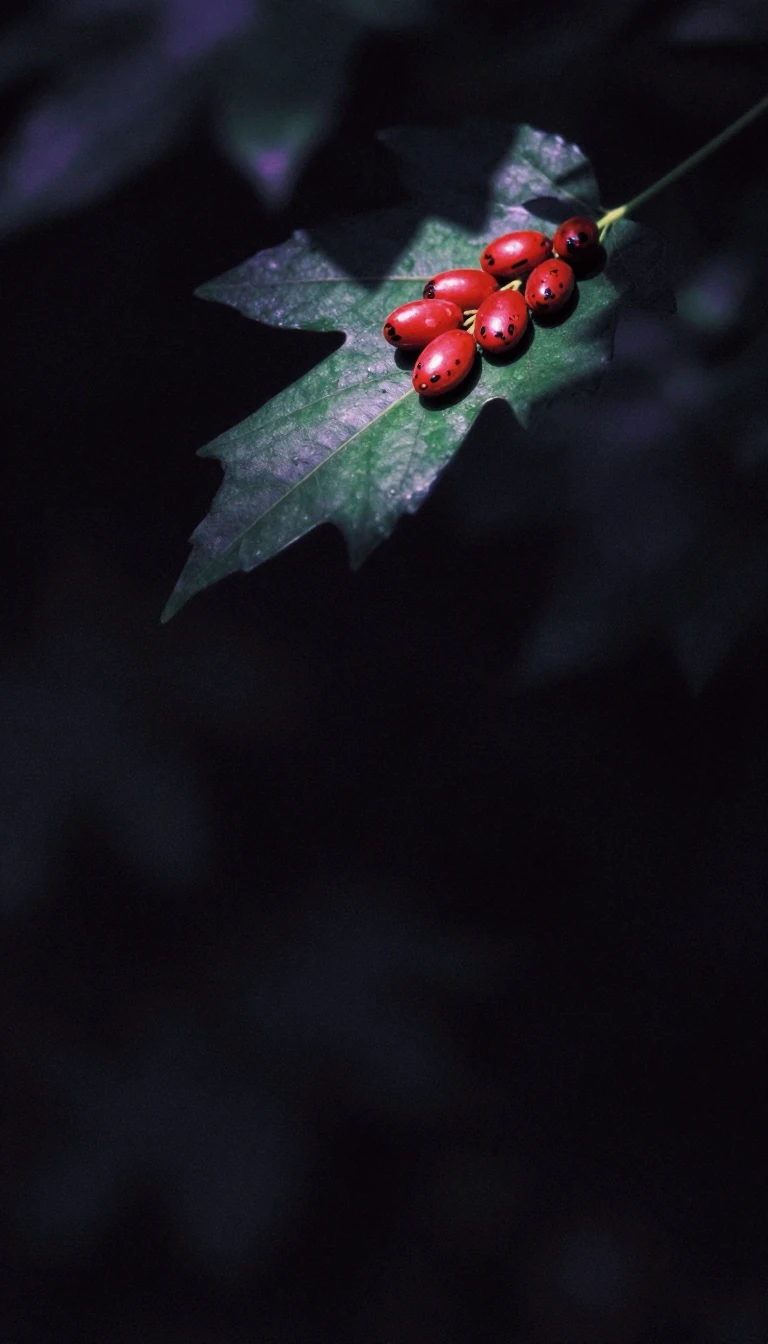
In short: The rosary pea is a delicate, invasive climber, yet its vibrant red seeds hide one of nature's most potent poisons. Known as abrin, this toxin is so lethal that even a single seed can be fatal to an adult, and currently, there are no known antidotes to reverse its effects.
Abrin is a water-soluble protein found exclusively in the seeds of the Abrus precatorius plant, also known as the jequirity or rosary pea. While the plant's hard outer shell usually protects mammals from the toxin, any puncture or damage to the seed coat—such as through chewing or the crafting of beaded jewelry—can release the poison. Once inside the body, abrin acts as a ribosome-inhibiting protein (RIP), functioning similarly to the well-known toxin ricin, but with a much higher potency. In fact, abrin is approximately 75 times more toxic than ricin.
At a molecular level, abrin is a mixture of four isotoxins, with abrin-a being the most powerful. The protein consists of two polypeptide chains, A and B, connected by a disulfide bond. Chain B handles carbohydrate binding, while Chain A performs the deadly work: it acts as an N-glycosidase, removing a specific adenine base from the 28S eukaryotic RNA. This disruption prevents ribosomes from binding to elongation factors, effectively halting protein synthesis and leading to cell death. Symptoms of poisoning include vomiting, diarrhea, tremors, and tachycardia, often progressing to kidney or respiratory failure within days.
Despite its extreme toxicity, researchers are exploring ways to harness abrin for medical progress. Because it can stimulate a vigorous immune response, it has been studied as an immunoadjuvant for cancer treatment. In some studies, injecting abrin into colon cancer tumors in mice led to tumor regression and strong antitumor immunity. While there is no universal antidote, scientists have identified that a monoclonal antibody, D6F10, can neutralize the toxicity of abrin-a by physically blocking it from accessing the ribosome.
Opens the Intellect+ feed with this card first. Swipe up for the next one.
Sources
- Summary by Intellect · source: When nature turns deadly: A look at Abrin | Protein Data Bank in Europe
- Also: Abrin
To cite this card, link to https://intellectplus.co.uk/app/culture-abrin.
How we source, check and correct cards: Editorial standards.
General information, not professional advice. Spotted an error? Flag the card or see corrections and complaints.
Intellect Plus is a visual educational discovery platform for exploring fascinating facts and ideas. Brain Food, Not Brain Rot. What is Intellect Plus?
Related
More in Clothing and fashion · More in Cultures · Latest · A–Z · All topics
