Known as the mountain of the spirit, Manaslu is the world's eighth-highest peak.
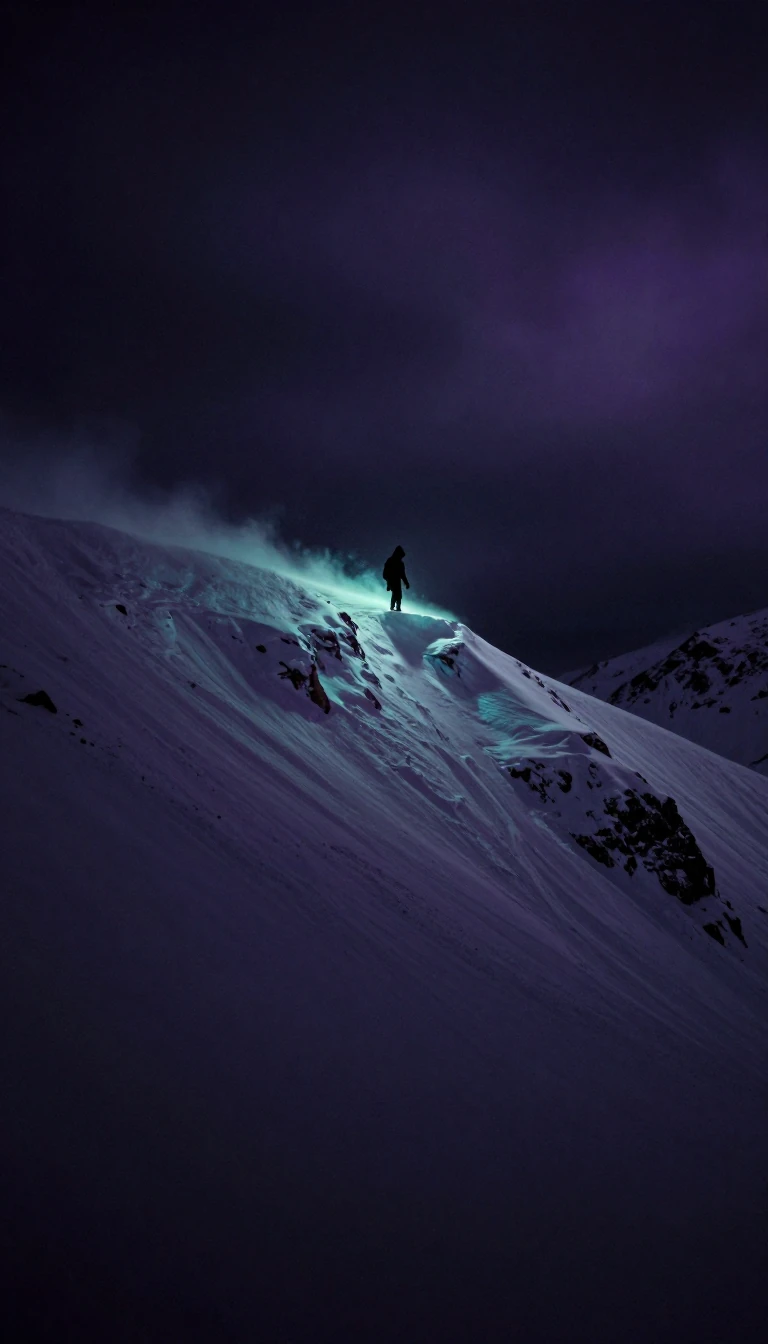
In short: Rising 8,163 metres into the Nepalese sky, Manaslu is a formidable Himalayan giant. Its name, derived from the Sanskrit word for intellect or soul, reflects its towering presence. While it offers a spectacular trekking circuit, the mountain remains a dangerous, unpredictable test of endurance for those attempting its steep, icy slopes.
Located in the Mansiri Himal range of west-central Nepal, Manaslu is the highest point in the Gorkha District. The peak, which locals also call Kutang, is a massive feature defined by long ridges and glacial valleys. Its slopes encompass six distinct climatic zones, ranging from tropical foothills at 600 metres to the arctic summit. This vertical diversity supports a rich ecosystem, including rare species like snow leopards and red pandas, protected by a long-standing hunting ban enforced by local monasteries.
The mountain's history with mountaineers is marked by both triumph and tragedy. After early reconnaissance by H. W. Tilman in 1950, Japanese expeditions dominated the initial attempts. Toshio Imanishi and Gyalzen Norbu achieved the first successful ascent on May 9, 1956. However, early efforts were fraught with tension; villagers at Samagaon once opposed climbers, fearing that previous expeditions had angered the gods and caused deadly avalanches. This atmosphere of distrust persisted for years, even after the first successful summit.
Trekking in the region only became officially permitted by the Nepalese government in 1991. Today, the 177-kilometre circuit follows ancient salt-trading routes, reaching its highest point at the 5,106-metre Larkya La pass. Despite its popularity, the terrain is treacherous, prone to landslides, altitude sickness, and severe weather. By May 2008, the mountain had been climbed 297 times, but the risks remain stark: 53 fatalities were recorded by that date, and major avalanches, such as the 2012 disaster that claimed eleven lives, serve as grim reminders of the mountain's volatility.
The Manaslu Conservation Area, established in 1997 and managed by the National Trust for Nature Conservation, covers 1,663 square kilometres. It aims to balance ecotourism with the preservation of the unique cultural heritage of the Nubri and Tsum ethnic groups. From the flat-roofed houses of the Buddhist Bhutias to the ancient mani walls dotting the trails, the region remains a sanctuary where traditional life persists alongside the high-altitude challenges of the Himalayas.
Opens the Intellect+ feed with this card first. Swipe up for the next one.
Sources
- Summary by Intellect · source: Manaslu
- Also: Wikidata — 6918 Manaslu · CC0
- Also: Wikidata — Manaslu · CC0
To cite this card, link to https://intellectplus.co.uk/app/places-manaslu.
How we source, check and correct cards: Editorial standards.
General information, not professional advice. Spotted an error? Flag the card or see corrections and complaints.
Intellect Plus is a visual educational discovery platform for exploring fascinating facts and ideas. Brain Food, Not Brain Rot. What is Intellect Plus?
Related
More in Mountain peaks and volcanos · More in Countries & Cities · Latest · A–Z · All topics
