Beyond the coffee trade, the Asian palm civet is a mythical hero and ecosystem engineer.
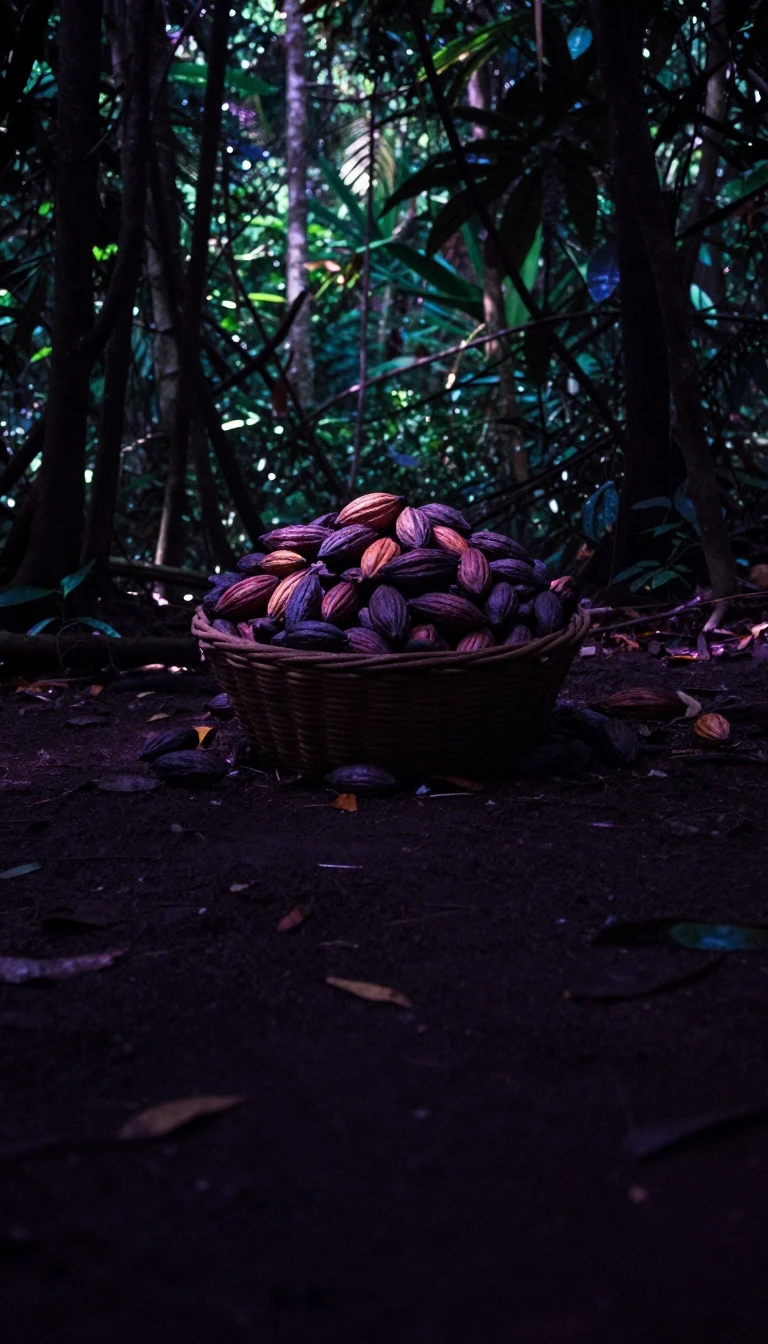
In short: Often reduced to a component of the luxury coffee industry, the Asian palm civet is a complex creature. This solitary, nocturnal mammal acts as a vital seed disperser for tropical forests, features in ancient Philippine folklore as a powerful talking hero, and remains a subject of intense taxonomic debate.
The Asian palm civet, or Paradoxurus hermaphroditus, is a widespread viverrid native to South and Southeast Asia. While often associated with the production of kopi luwak—a controversial coffee product made from beans digested by the animals—its ecological role is far more significant. As an omnivore, it consumes various fruits, such as chiku and mango, and plays a critical role in the natural regeneration of forest palms like Pinanga kuhlii. By dispersing seeds across its habitat, the civet helps maintain the health of tropical ecosystems.
Beyond its biological utility, the civet occupies a unique space in human culture. In Philippine mythology, the Bagobo people tell the story of Lakivot, a giant, talking palm civet who defeated monsters to secure the Flower of Gold before transforming into a man. Today, the animal's cultural significance is reflected in modern currency, as it appears on the reverse side of the Philippine twenty-peso note. Despite this recognition, the species faces threats from poaching, the illegal wildlife trade, and the expansion of battery cage systems used for coffee production.
Taxonomically, the civet remains a puzzle. Since Peter Simon Pallas first proposed the name Viverra hermaphrodita in 1777, numerous specimens have been described, leading to a complex list of subspecies. However, the status of these classifications has not been fully evaluated. Genetic studies continue to refine our understanding, such as the 2015 reclassification of Paradoxurus philippinensis as a distinct species. While the IUCN listed the civet as least concern in 2008, the lack of enforcement regarding trade quotas and the rise of the pet trade in places like Java and Bali remain significant conservation concerns.
Opens the Intellect+ feed with this card first. Swipe up for the next one.
Sources
- Summary by Intellect · source: Asian palm civet
To cite this card, link to https://intellectplus.co.uk/app/culture-asian-palm-civet.
How we source, check and correct cards: Editorial standards.
General information, not professional advice. Spotted an error? Flag the card or see corrections and complaints.
Intellect Plus is a visual educational discovery platform for exploring fascinating facts and ideas. Brain Food, Not Brain Rot. What is Intellect Plus?
Related
More in Traditions & customs · More in Cultures · Latest · A–Z · All topics
