Modern astronomy is rapidly evolving through high-energy data and new deep-space observations.
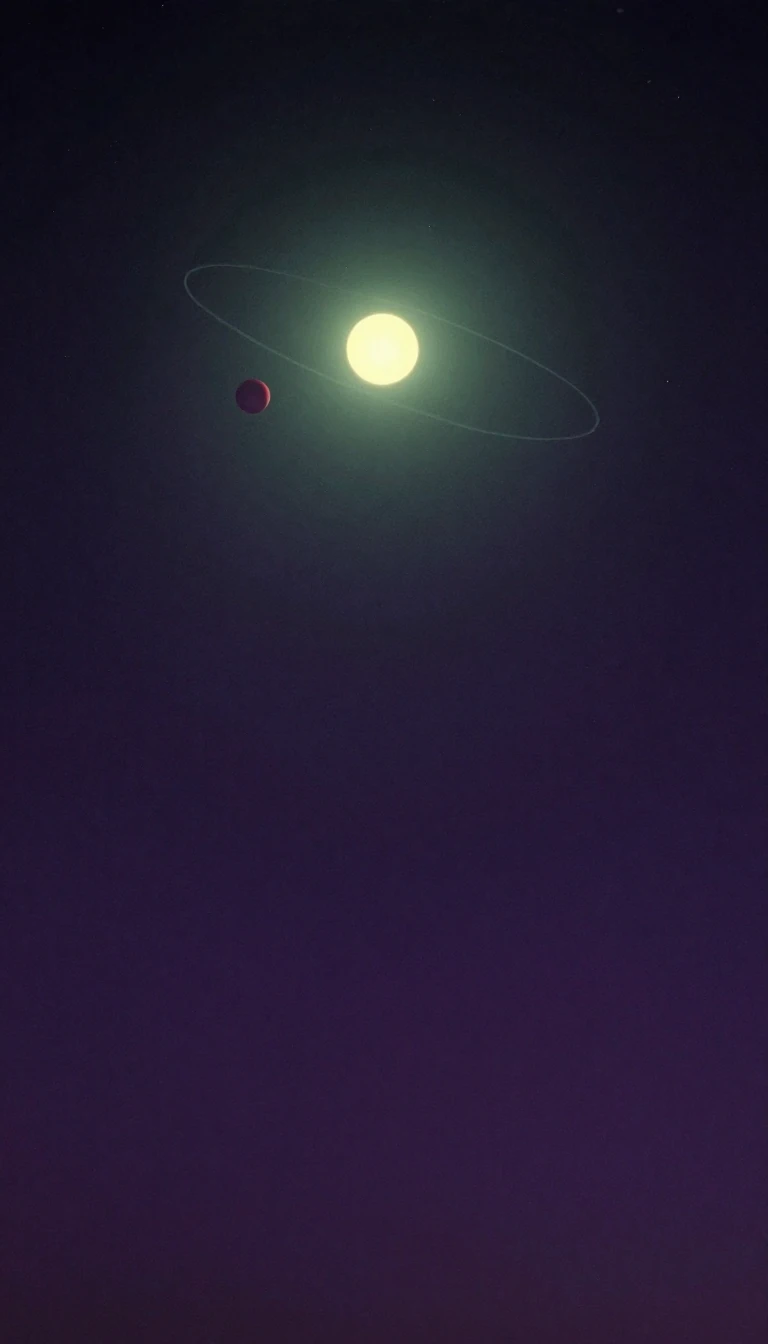
In short: Astronomy and astrophysics now combine theoretical simulations with data from space-borne instruments to study phenomena beyond our solar system. Recent discoveries, such as compact red objects in the early universe, are challenging our understanding of galaxy formation and the fundamental laws of gravity in extreme, high-energy environments.
The field of astronomy and astrophysics focuses on objects and phenomena existing outside our solar system. Researchers utilize both terrestrial and space-based instruments to capture electromagnetic radiation and high-energy particles. This observational data is synthesized with complex theoretical simulations to probe the physics of galaxy formation, including gas accretion, star formation, and feedback mechanisms. Modern observatories like the James Webb Space Telescope (JWST) and the Atacama Large Millimeter/submillimeter Array (ALMA) are currently revealing that dynamically mature galaxies existed much earlier in cosmic history than previously understood.
Recent scientific interest has centered on the discovery of compact red objects, often dubbed 'little red dots,' which were identified using JWST. These distant objects have prompted extensive investigations into their physical nature and observational properties. A 2026 workshop dedicated to these findings brought together 230 participants to discuss their implications. As the field matures, researchers are consolidating knowledge to draw firm conclusions about these mysterious early-universe structures, marking a significant step forward a century after the foundational work of Edwin Hubble.
Beyond galaxy evolution, researchers are rigorously testing the limits of physical laws. One notable area of study involves multimessenger gravitational-wave data analysis, which examines whether Newton’s gravitational constant remains stable within strong, dynamical gravitational fields. By applying these frameworks to events like the binary neutron star merger GW170817, scientists have found no evidence for variation, establishing the most precise bounds on gravitational constants to date. Simultaneously, the community continues to debate whether dark energy is best characterized by a cosmological constant or a dynamical process, highlighting the ongoing evolution of astrophysical theory.
Opens the Intellect+ feed with this card first. Swipe up for the next one.
Sources
- Summary by Intellect · source: Astronomy and astrophysics - Latest research and news | Nature
- Also: Astronomy & Astrophysics
To cite this card, link to https://intellectplus.co.uk/app/culture-astronomy-astrophysics.
How we source, check and correct cards: Editorial standards.
General information, not professional advice. Spotted an error? Flag the card or see corrections and complaints.
Intellect Plus is a visual educational discovery platform for exploring fascinating facts and ideas. Brain Food, Not Brain Rot. What is Intellect Plus?
Related
More in Journalism and mass media · More in Cultures · Latest · A–Z · All topics
