How a naturalist's rural estate became Manhattan's only historic railroad suburb
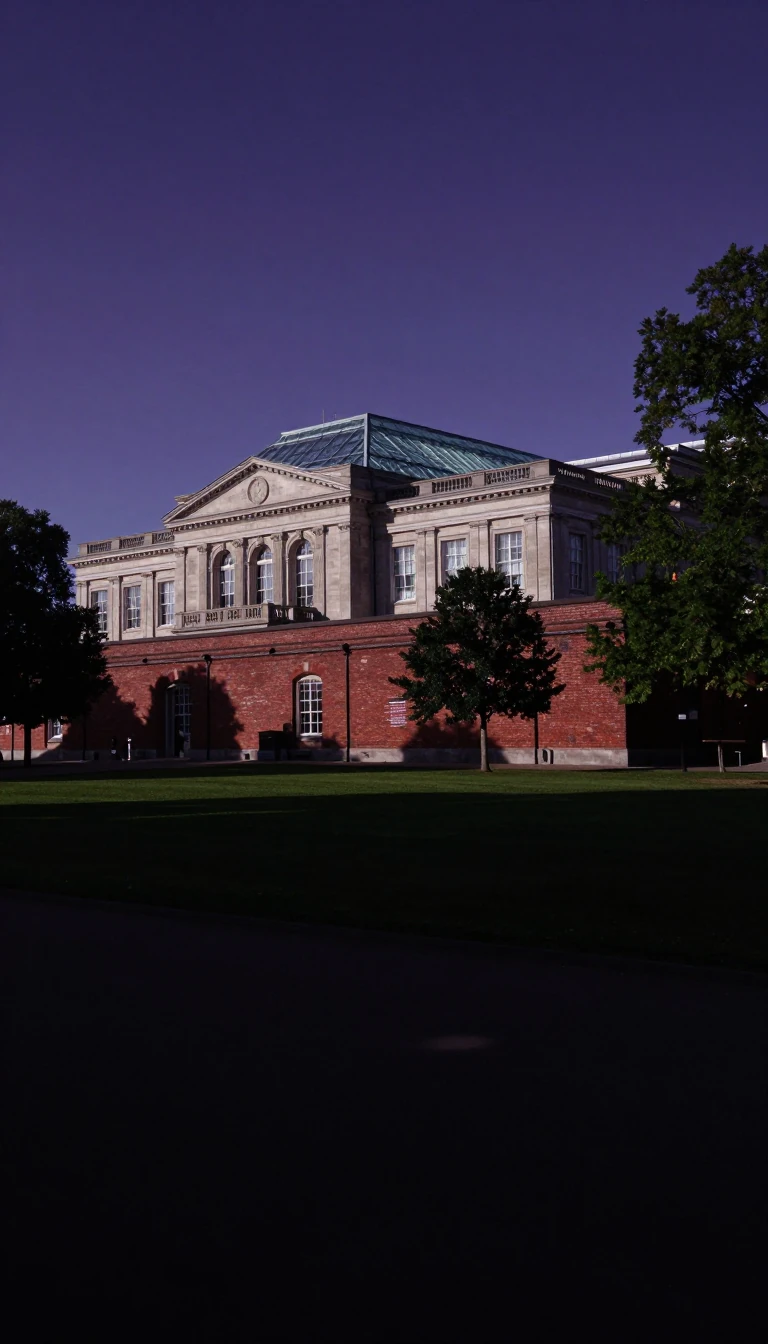
In short: Before it was a dense enclave of ornate apartment buildings, Audubon Park was a 21-acre wilderness retreat for John James Audubon. Seeking escape from city vapors, he built Minniesland, a riverside estate that eventually transformed into Manhattan's first railroad suburb, forever altering the topography of Washington Heights.
In 1841, naturalist John James Audubon purchased 14 acres of land in Upper Manhattan for $4,938, later expanding his estate, Minniesland, to 21 acres. Seeking refuge from the city's industrial pollution, Audubon built a Greek Revival house near the Hudson River, surrounded by a grove of 200 trees and a pond. The estate was a rural outlier, home to wildlife like deer and foxes, yet it became a site of technological firsts, including the arrival of the first telegraph message sent to Manhattan.
The landscape shifted dramatically following the construction of the Hudson River Railroad in 1846, which passed within 50 feet of the Audubon house. After Audubon died in 1851, his family subdivided the land to cover financial losses. By the 1850s, the area had evolved into a residential suburb, with early residents including the Grinnell family, who eventually became the district's largest landowners. Historian Matthew Spady identified this period as the birth of Manhattan's only railroad suburb, a unique transition point between rural estate and urban grid.
The modern character of Audubon Park emerged in the early 20th century as the New York City Subway and Riverside Drive spurred the construction of 5- to 13-story apartment buildings. Designed by prolific architects like George F. Pelham, these structures often featured Renaissance Revival or Beaux-Arts styles with ornate facades intended to attract middle-class families. Today, the district is protected by both New York City and national historic designations, preserving a rare, curved deviation from the rigid Manhattan street grid that reflects the area's steep, cliff-side topography.
Opens the Intellect+ feed with this card first. Swipe up for the next one.
Sources
- Summary by Intellect · source: Audubon Park, Manhattan
To cite this card, link to https://intellectplus.co.uk/app/culture-audubon-park-manhattan.
How we source, check and correct cards: Editorial standards.
General information, not professional advice. Spotted an error? Flag the card or see corrections and complaints.
Intellect Plus is a visual educational discovery platform for exploring fascinating facts and ideas. Brain Food, Not Brain Rot. What is Intellect Plus?
Related
More in US culture · More in Cultures · Latest · A–Z · All topics
