From French workmen to high fashion: the surprising evolution of the blouse
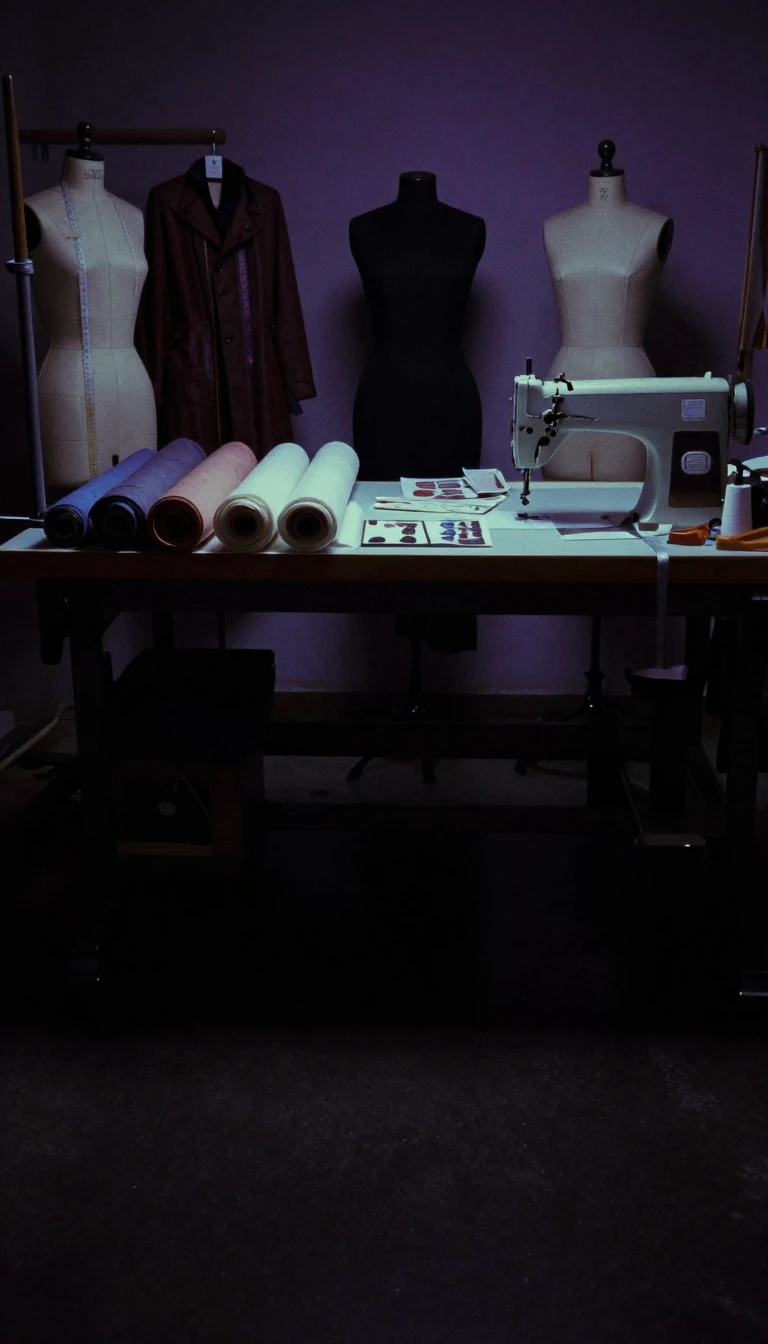
In short: Once a blue smock for French laborers, the blouse has transformed from rugged workwear into a staple of the modern wardrobe. From the elaborate 'lingerie blouse' of the 1900s to the synthetic trends of the 1970s, discover how this versatile garment conquered the fashion world.
The term 'blouse' is a loanword from French, originally describing the blue smocks worn by French workmen. Over time, the name was applied to the tunics and smocks of English farm laborers. While the garment's origins are tied to manual labor, its fashion trajectory shifted significantly in the late 19th century. By 1870, the term began to be used for young ladies, and by the 1890s, the blouse had become a regular feature in a fashionable woman's wardrobe.
The garment's construction and purpose have fluctuated with the decades. During the early 1900s, highly decorative styles like the 'lingerie blouse'—noted for its heavy lace and embroidery—and the 'Gibson Girl blouse' became popular for day and evening wear. In the 1920s, fashion moved toward the silk 'jumper blouse' and V-neck Chelsea collared styles. The mid-20th century saw a variety of shifts, from the 1950s popularity of the sailor look to the 1930s, when collars reached massive proportions.
Interestingly, the blouse also carries mysterious design traditions. For instance, the buttons on women's blouses are typically reversed compared to men's, with buttonholes on the right. While no definitive reason exists, theories range from helping 19th-century launderers distinguish between garments to medieval origins involving the display of wealth or the practical need for a swordsman to draw a weapon without catching it in a seam. Today, the blouse remains a versatile staple, ranging from the simple cotton varieties used in the Bavarian dirndl to the high-fashion silk pieces of the modern era.
Opens the Intellect+ feed with this card first. Swipe up for the next one.
Sources
- Summary by Intellect · source: Blouse
To cite this card, link to https://intellectplus.co.uk/app/culture-blouse.
How we source, check and correct cards: Editorial standards.
General information, not professional advice. Spotted an error? Flag the card or see corrections and complaints.
Intellect Plus is a visual educational discovery platform for exploring fascinating facts and ideas. Brain Food, Not Brain Rot. What is Intellect Plus?
Related
More in Clothing and fashion · More in Cultures · Latest · A–Z · All topics
