In Victorian Britain, clothing was a rigid tool for maintaining social hierarchy and respectability.
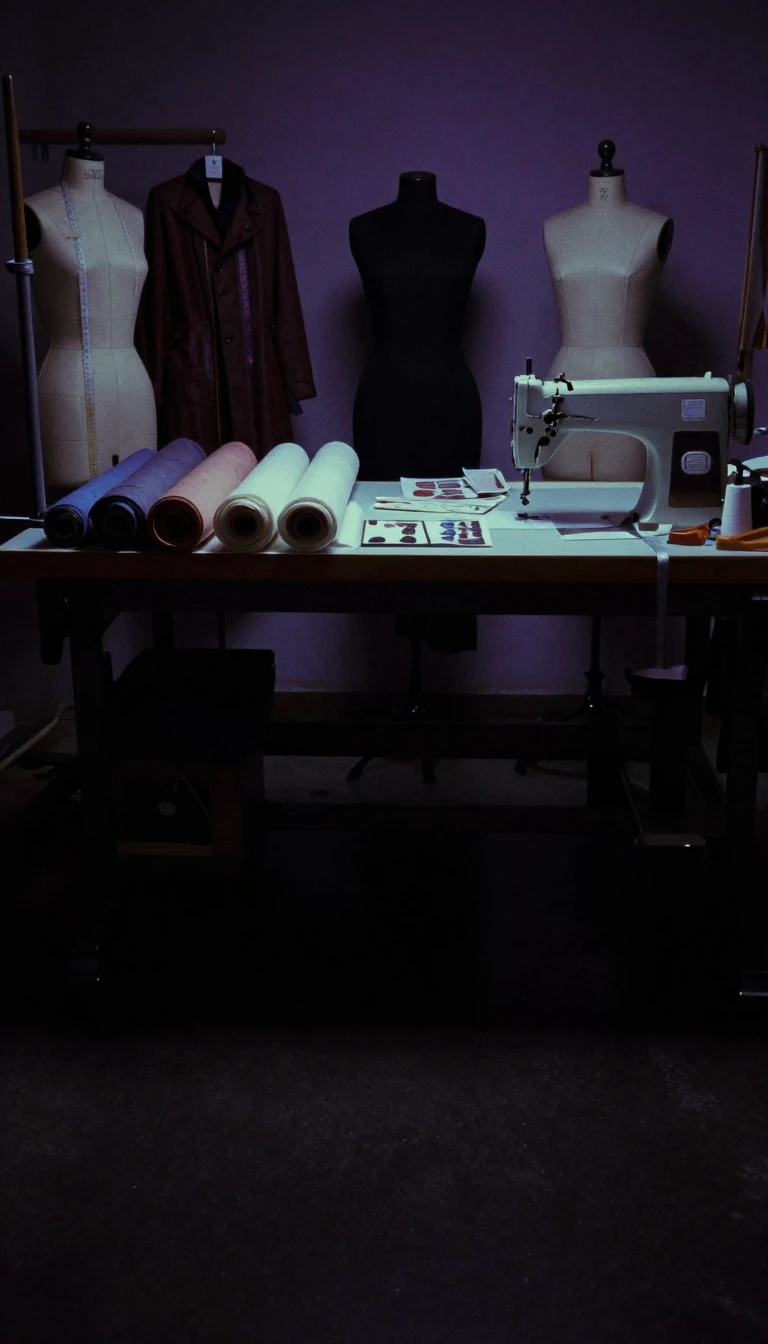
In short: For the class-obsessed Victorians, what you wore signaled exactly where you stood. While the ready-made garment industry made trends more accessible, fashion evolved rapidly to keep the elite ahead. From collapsible crinolines to clever shirtfronts, Victorian style was a masterclass in balancing social performance with industrial innovation.
In the 19th century, clothing served as a primary marker of social respectability. Middle- and upper-class Victorians adhered to strict fashion rules, using attire to define their status in a rapidly changing society. This obsession with appearances meant that even those with limited means sought ways to mimic the elite. The rise of the ready-made garment industry, alongside advancements in printing and literacy, allowed trends to circulate through fashion plates and magazines, making high fashion more visible to the masses.
Technological progress fundamentally reshaped the wardrobe. In 1823, Charles Mackintosh revolutionized outerwear by applying natural rubber to fabrics, creating waterproof garments that eventually gained international acclaim. By the mid-19th century, innovations like the cage crinoline—a skeleton frame worn under skirts—replaced heavy, cumbersome petticoats with a lightweight, voluminous silhouette. Designers like Léonce Bernard Schmolle further refined these structures, patenting collapsible versions that offered women greater agility while maintaining the fashionable, fuller shapes of the era.
For men, the era was defined by a shift toward uniformity and practicality. While white cotton or linen shirts were staples, the cost of maintenance led to the invention of the 'dickey' or separate shirtfront. This allowed men to maintain a respectable appearance while concealing less formal undergarments. As the century progressed, industrialization and the influence of the British Empire cemented England's leadership in men's fashion, moving away from ornate decoration toward a style that prioritized subtle design and specific utility, such as specialized sportswear and military-grade waterproofs.
Opens the Intellect+ feed with this card first. Swipe up for the next one.
Sources
- Summary by Intellect · source: Victorian fashion
- Also: Victorian fashion
To cite this card, link to https://intellectplus.co.uk/app/culture-victorian-fashion.
How we source, check and correct cards: Editorial standards.
General information, not professional advice. Spotted an error? Flag the card or see corrections and complaints.
Intellect Plus is a visual educational discovery platform for exploring fascinating facts and ideas. Brain Food, Not Brain Rot. What is Intellect Plus?
Related
More in Fashion through the ages · More in Cultures · Latest · A–Z · All topics
