Bodiam Castle: A formidable medieval fortress or a masterclass in architectural theatre?
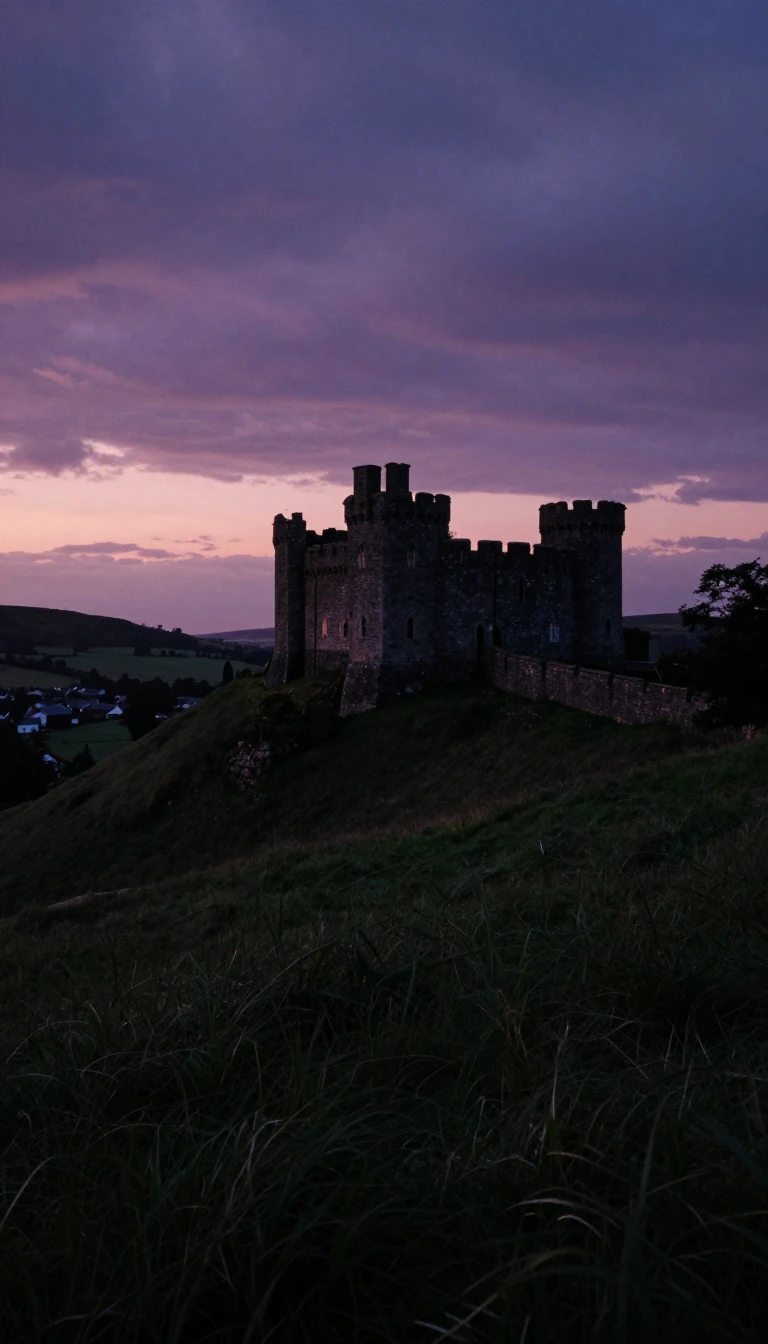
In short: Built in 1385 by a mercenary who fought in the Hundred Years' War, Bodiam Castle appears to be a defensive masterpiece. Yet, historians argue its imposing moat and grand design were less about stopping French invaders and more about projecting status and power in the 14th-century English landscape.
Commissioned by Sir Edward Dalyngrigge, a veteran of the Free Companies, Bodiam Castle was constructed during a period of intense anxiety regarding French raids along the English south coast. Dalyngrigge, who secured his fortune through mercenary service under Sir Robert Knolles, obtained a royal licence from Richard II in 1385 to fortify his manor house. While the structure features classic defensive elements like a quadrangular plan, corner towers, and a deep, spring-fed moat, the reality of its military utility has been heavily debated by scholars since the 1990s.
The castle's defensive credentials are often questioned. The moat, while visually impressive, could potentially be drained quickly due to its insubstantial embankments, and the large windows lining the exterior would have been significant vulnerabilities during a siege. Furthermore, the site is located far from the medieval coastline, rendering it an unusual choice for a primary defensive installation against maritime invasion. Archaeologists and historians now largely view the castle as a deliberate exercise in display, designed to isolate the residence within an artificial watery landscape that emphasized the owner's wealth and social standing.
Despite its questionable military efficacy, Bodiam remains a quintessential example of 14th-century architecture. The interior was meticulously divided into distinct zones for the lord, his family, high-status guests, and servants, with the great hall serving as the social heart of the manor. The castle's history is equally complex; it passed through the Dalyngrigge and Lewknor families, survived the Wars of the Roses, and was partially dismantled following the English Civil War in the 1640s. After falling into ruin and becoming a romanticized subject for 18th-century artists, it was saved by figures like John Fuller and Lord Curzon, eventually entering the care of the National Trust in 1925.
Opens the Intellect+ feed with this card first. Swipe up for the next one.
Sources
- Summary by Intellect · source: Bodiam Castle
To cite this card, link to https://intellectplus.co.uk/app/culture-bodiam-castle.
How we source, check and correct cards: Editorial standards.
General information, not professional advice. Spotted an error? Flag the card or see corrections and complaints.
Intellect Plus is a visual educational discovery platform for exploring fascinating facts and ideas. Brain Food, Not Brain Rot. What is Intellect Plus?
Related
More in Languages · More in Cultures · Latest · A–Z · All topics
