Bremerhaven: The German Port City That Was Once a Strategic American Enclave
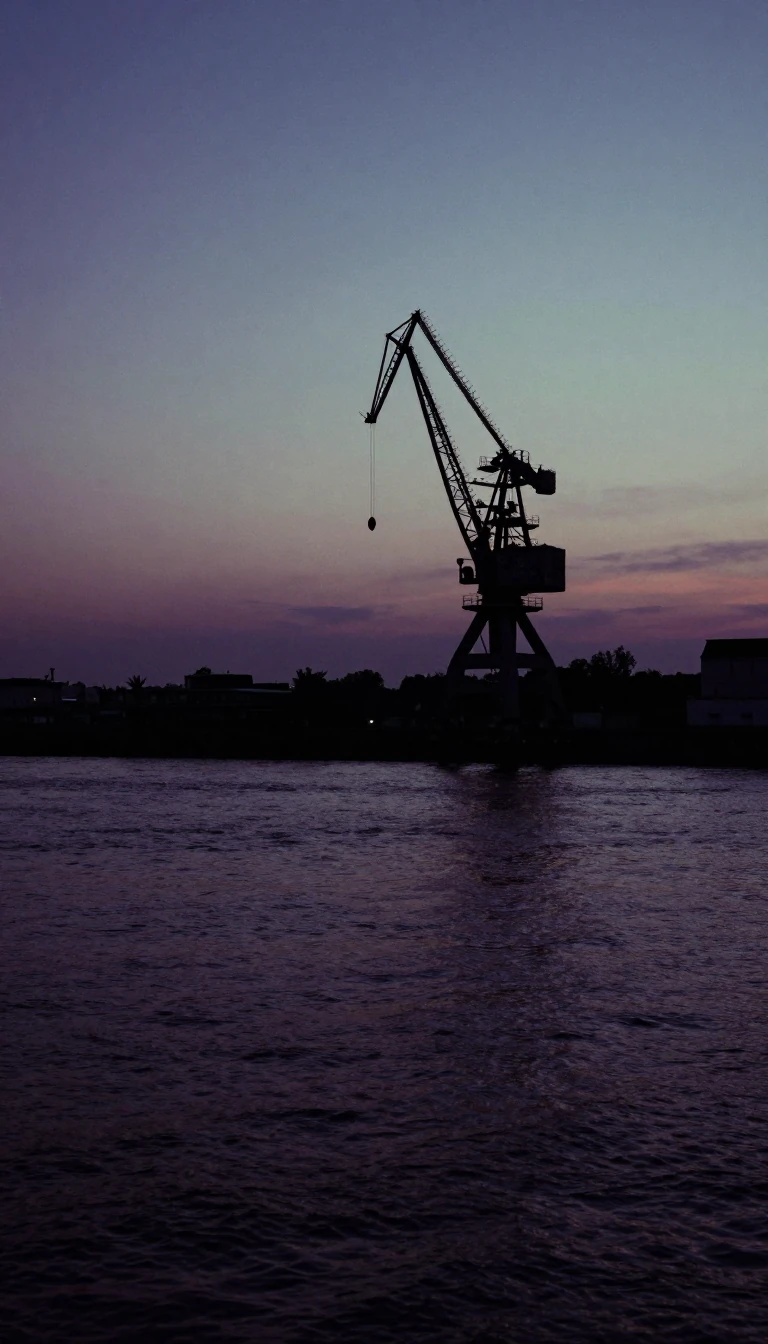
In short: Founded in 1827 to save Bremen's overseas trade, this North Sea port became a critical Allied base during World War II. Today, it stands as a global hub for automotive logistics and climate research, blending a complex history of Swedish occupation, Prussian rivalry, and American military presence into its modern identity.
Bremerhaven’s origins are rooted in the necessity of trade. By the early 19th century, the Weser river’s silting threatened the inland port of Bremen, prompting Bürgermeister Johann Smidt to purchase territory at the river's mouth in 1827. This new harbour, located 50 kilometres downstream, quickly flourished as a primary gateway for emigration to North America and a vital node for the German merchant marine. The city's development was marked by intense regional competition, particularly with the neighbouring town of Geestemünde, which was founded by the Kingdom of Hanover in 1845. These two entities eventually merged, and the area underwent various administrative shifts, including periods under Prussian jurisdiction and, following the devastation of World War II, a unique status as a postwar enclave administered by the United States.
The city's wartime experience was transformative. During the Allied air raids of World War II, 79% of Bremerhaven was destroyed, yet key port infrastructure was deliberately spared to facilitate postwar supply efforts. For decades, the city hosted the Carl Schurz Kaserne, a significant US military installation that included the AFN Bremerhaven radio and television station, which broadcast for 48 years until the facility was returned to German control in 1993. This American legacy is just one layer of a history that dates back to 17th-century Swedish attempts to fortify the site with a castle named Carlsburg, intended to control shipping access to the region.
In the modern era, Bremerhaven has reinvented itself as a centre for science and high-volume logistics. It handles millions of containers and cars annually, holding the title of Europe's largest car transshipment centre. Beyond the docks, the city is a hub for maritime and climate research, home to the Alfred Wegener Institute and the innovative Klimahaus, which simulates global climate zones. From the 1975 German Maritime Museum to the expansion of its University of Applied Sciences, the city balances its industrial heritage with a forward-looking focus on energy technology and international academic collaboration.
Opens the Intellect+ feed with this card first. Swipe up for the next one.
Sources
- Summary by Intellect · source: Bremerhaven
To cite this card, link to https://intellectplus.co.uk/app/culture-bremerhaven.
How we source, check and correct cards: Editorial standards.
General information, not professional advice. Spotted an error? Flag the card or see corrections and complaints.
Intellect Plus is a visual educational discovery platform for exploring fascinating facts and ideas. Brain Food, Not Brain Rot. What is Intellect Plus?
Related
More in Festivals & celebrations · More in Cultures · Latest · A–Z · All topics
