From Saxon boundary stone to local currency: the evolving identity of Brixton
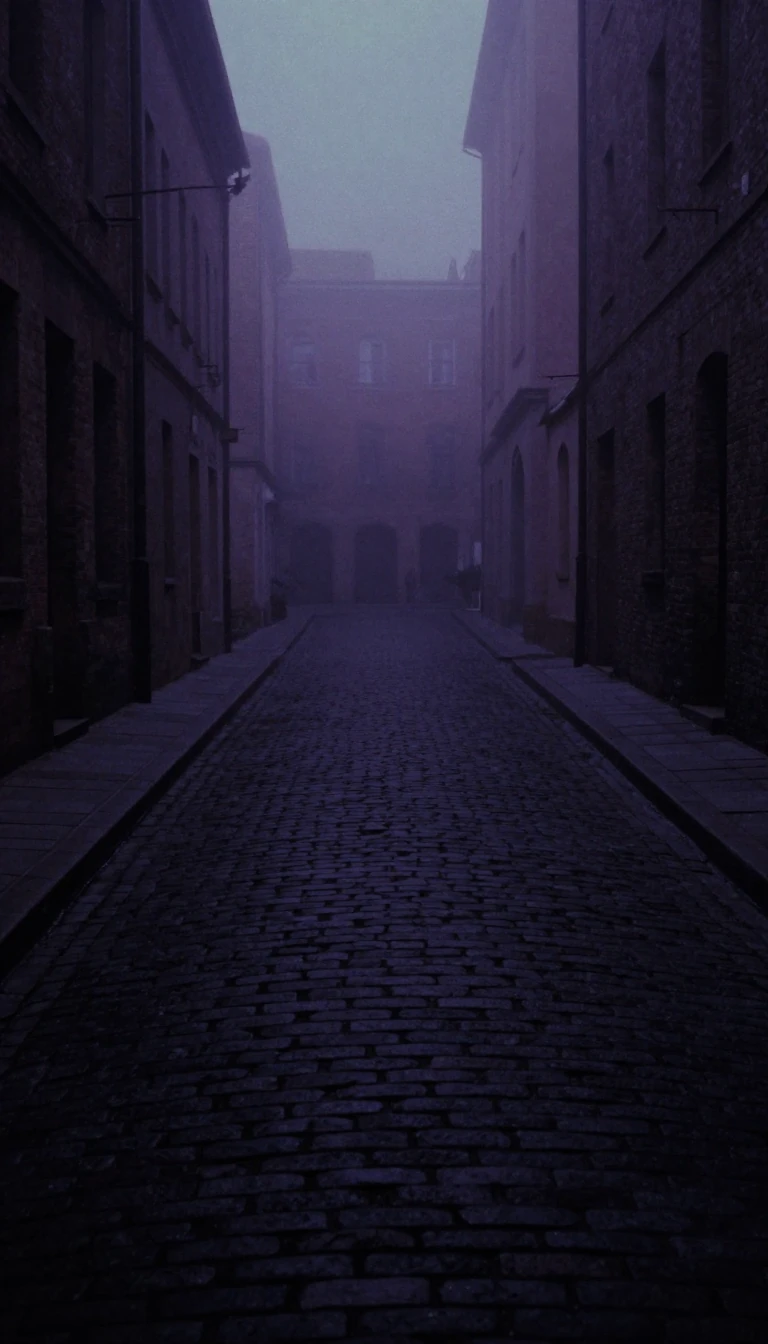
In short: Brixton began as a Saxon lord's marker and transformed into a bustling Victorian shopping hub. Today, it serves as a flashpoint for debates on gentrification and community resilience, famously pioneering its own local currency to keep wealth circulating within its independent businesses and diverse, historic streets.
The name Brixton is believed to derive from Brixistane, the stone of a Saxon lord named Brixi, who likely marked a meeting place for the ancient Brixton hundred court. For centuries, the area remained rural farmland and market gardens until the 19th century. The opening of Vauxhall Bridge in 1816 and the arrival of railways in the 1860s triggered rapid suburban development, turning the district into a middle-class hub filled with department stores like Bon Marché and the innovative, electrically lit Electric Avenue.
Following World War II, Brixton became a primary reception centre for immigrants from the West Indies, most notably the 492 passengers who arrived on the HMT Empire Windrush in 1948. This demographic shift defined the area's modern multicultural identity. However, the late 20th century brought severe social tensions, culminating in the 1981 riots. The subsequent Scarman Report exposed the discriminatory use of 'stop and search' tactics by police, a finding later echoed by the 1999 Macpherson Report, which labeled the force institutionally racist.
In the 21st century, Brixton has become a battleground between regeneration and gentrification. Projects like the Brixton pound, launched in 2009, represent a unique attempt to foster local economic autonomy. Featuring local figures like David Bowie and Olive Morris, the currency encourages shoppers to support independent businesses. Meanwhile, residents continue to challenge large-scale developments, such as the Hondo Enterprises tower block, which was eventually withdrawn in 2023 after years of intense community opposition. These struggles highlight a persistent tension between preserving the area's bohemian, working-class character and the pressures of modern urban redevelopment.
Opens the Intellect+ feed with this card first. Swipe up for the next one.
Sources
- Summary by Intellect · source: Brixton
To cite this card, link to https://intellectplus.co.uk/app/culture-brixton.
How we source, check and correct cards: Editorial standards.
General information, not professional advice. Spotted an error? Flag the card or see corrections and complaints.
Intellect Plus is a visual educational discovery platform for exploring fascinating facts and ideas. Brain Food, Not Brain Rot. What is Intellect Plus?
Related
More in Languages · More in Cultures · Latest · A–Z · All topics
