Born from private donations and royal patronage, Cairo University defied colonial opposition to flourish.
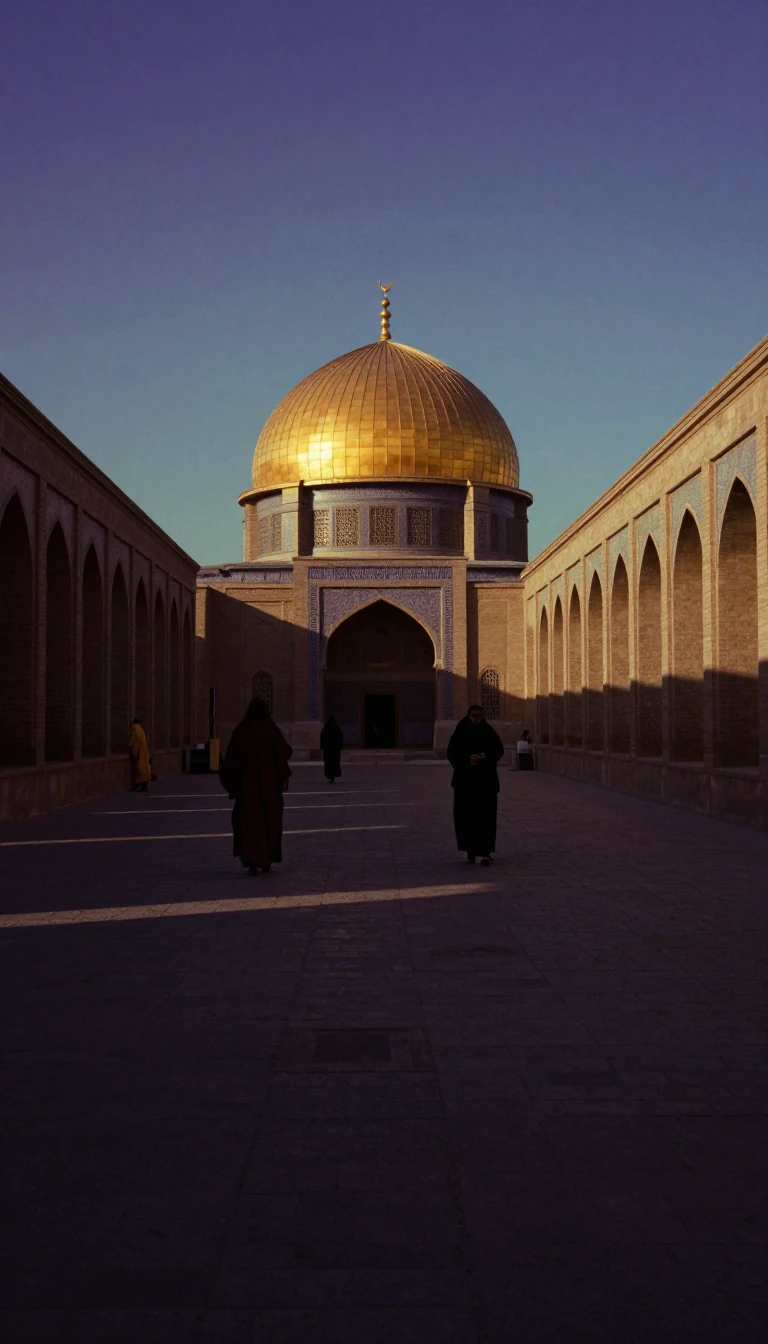
In short: Founded in 1908 as a private institution, Cairo University emerged despite British colonial fears that higher education would incite political unrest. Today, it stands as a massive state-run center for learning, having evolved from a small, lecture-based experiment into one of the world's largest and most influential academic institutions.
The establishment of Cairo University was a hard-won victory for Egyptian intellectuals. Throughout the late 19th century, figures like Yaqub Artin and Jurji Zaydan campaigned for a modern, indigenous alternative to the existing religious schools. Their efforts faced significant resistance from British colonial authorities, particularly Lord Cromer, who viewed European-style education as a threat to stability. Despite this, private citizens and royal figures, including Princess Fatma Ismail and Prince Fuad I, provided the necessary funding and land to launch the project in 1908.
In its infancy, the university lacked a permanent campus, relying on rented halls and press-advertised lectures. It struggled financially, nearly collapsing during World War I, and faced a severe shortage of qualified local faculty. For decades, the university relied on European Orientalists to fill teaching posts until its own students could complete missions abroad to gain the required doctoral training. It was not until 1925 that the institution was fully re-founded as a state-run entity under King Fuad I, eventually incorporating older professional schools like the School of Engineering and the Kasr Alainy Medical School.
The university's identity has shifted alongside Egypt's political landscape. Originally known as the Egyptian University, it was renamed King Fuad I University in 1940 before adopting its current name following the 1952 revolution. Its history is marked by both academic milestones—such as the admission of its first female students in 1928—and ongoing debates, including recent administrative rulings regarding faculty dress codes. Today, with approximately 155,000 students, the university remains a central pillar of Egyptian intellectual life, producing three Nobel Laureates and a diverse array of global leaders, from UN Secretary-General Boutros Boutros-Ghali to technology pioneers like Mohamed Atalla.
Opens the Intellect+ feed with this card first. Swipe up for the next one.
Sources
- Summary by Intellect · source: Cairo University
To cite this card, link to https://intellectplus.co.uk/app/culture-cairo-university.
How we source, check and correct cards: Editorial standards.
General information, not professional advice. Spotted an error? Flag the card or see corrections and complaints.
Intellect Plus is a visual educational discovery platform for exploring fascinating facts and ideas. Brain Food, Not Brain Rot. What is Intellect Plus?
Related
More in Education · More in Cultures · Latest · A–Z · All topics
