Ceres was the Roman goddess who taught humanity the transformative power of agriculture
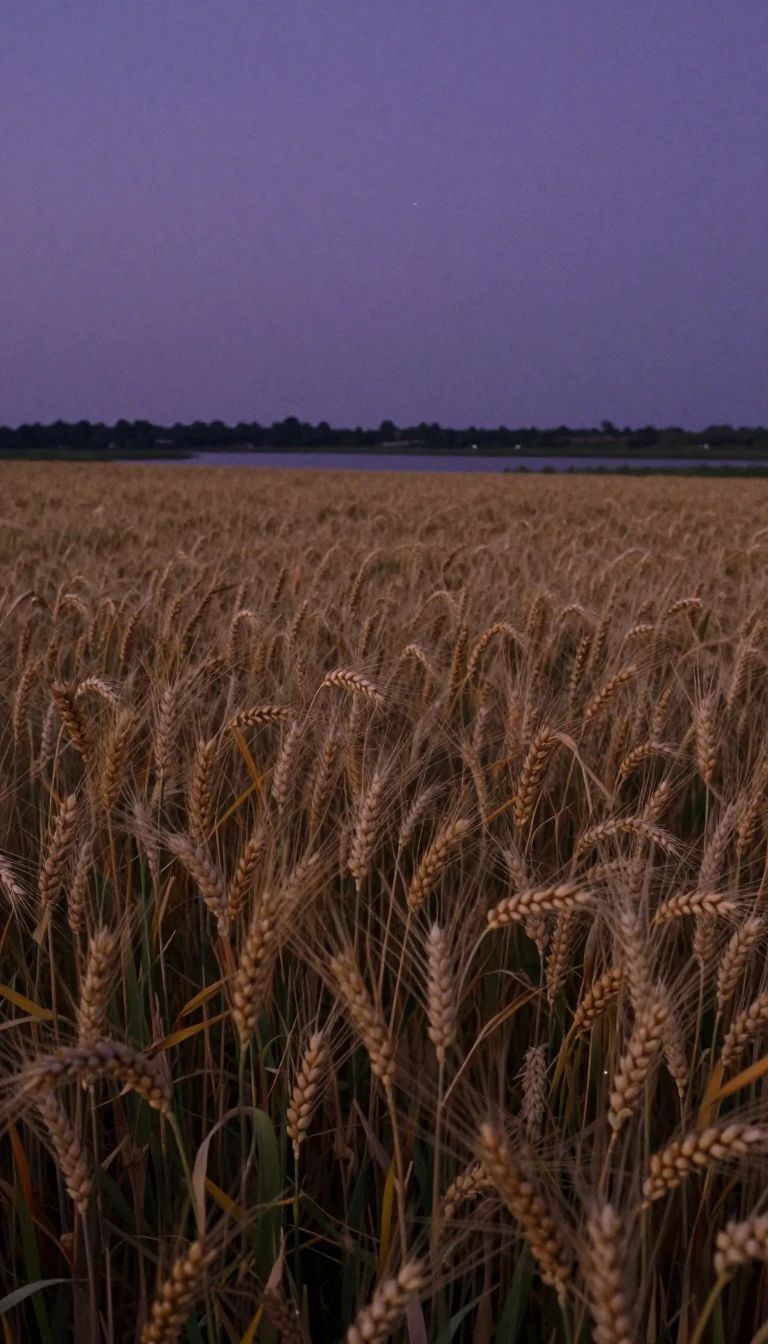
In short: Long before modern farming, the Romans looked to Ceres to explain the transition from wild foraging to settled civilization. As the divine architect of the grain cycle, she represented the shift toward human-led environmental engineering, where intentional cultivation replaced the unpredictable bounty of nature with reliable, life-sustaining harvests.
In Roman belief, Ceres served as the foundational deity of agriculture, grain production, and fertility. While she was often associated with the earth goddess Tellus, her influence extended beyond simple crop growth. She was credited with the gift of farming itself, teaching humans to yoke oxen, plow fields, and protect young seeds. This transition was viewed as the dawn of civilization, moving humanity away from a nomadic existence dependent on acorns toward a stable life governed by laws and structured food production.
The process of agriculture, as understood today, involves humans acting as environmental engineers who intentionally disrupt habitats to favor specific plants and animals. By clearing vegetation and tilling soil, early farmers increased light access and reduced competition, allowing desired species to thrive. Over time, this human-led selection created domesticated organisms—or cultigens—that became dependent on our intervention for survival. Ceres was the mythological embodiment of this profound biological shift, where plants like spelt wheat were nurtured to provide larger seeds and more consistent yields.
Ceres's importance was reflected in the Roman calendar, particularly through the Cerealia festival and the invocation of minor deities who oversaw every stage of the grain cycle, from the initial plowing to the final harvest. Her name, derived from roots meaning to feed or provide nourishment, underscored her role as a provider. Even in marriage rites, her influence persisted; the solemn ceremony of confarreatio involved sharing a cake made of far, the ancient wheat associated with her, symbolizing the fertility and legal structure she was thought to bestow upon the household.
Opens the Intellect+ feed with this card first. Swipe up for the next one.
Sources
- Summary by Intellect · source: Ceres | Agriculture, Harvest, Fertility | Britannica
- Also: Ceres (mythology)
To cite this card, link to https://intellectplus.co.uk/app/culture-ceres-mythology.
How we source, check and correct cards: Editorial standards.
General information, not professional advice. Spotted an error? Flag the card or see corrections and complaints.
Intellect Plus is a visual educational discovery platform for exploring fascinating facts and ideas. Brain Food, Not Brain Rot. What is Intellect Plus?
Related
More in Traditions & customs · More in Cultures · Latest · A–Z · All topics
