The Chakma people: A history of shifting kingdoms and resilient political identity
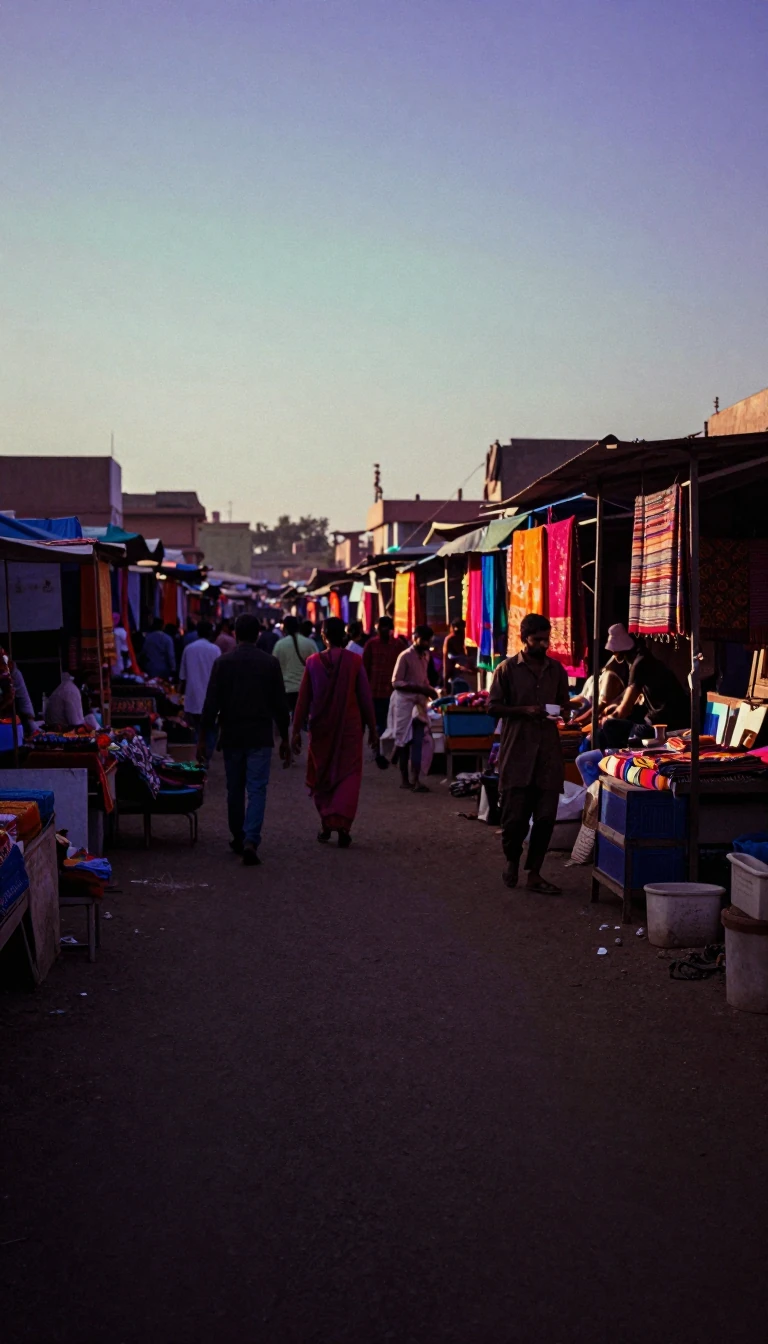
In short: The Chakma people, a major indigenous group in Bangladesh, possess a complex history that spans from ancient Chinese origins to the courts of Burmese kings. Once powerful regional players, they navigated centuries of colonial pressure, Mughal diplomacy, and British territorial restructuring to maintain their distinct identity and traditional leadership structures.
The origins of the Chakma are deeply intertwined with ancient Tibeto-Burman groups from Southwest China, specifically the Qiang and Qiongdu. Scholars suggest these groups migrated into northern Myanmar around the 4th century. Over time, they diverged, with some branches moving toward the Chindwin River and others, like the Kadu, influencing the formation of the Bamar people. By the medieval era, these groups established kingdoms like Tagaung, often appearing in records as the Jiandu or Caindu, a name famously noted by Marco Polo.
As political centralization grew in the Irrawaddy and Chindwin valleys, the Chakma ancestors—often referred to as Saks or Theks—migrated westward into the Arakan region and eventually the Chittagong Hill Tracts. Their history is marked by a transition from powerful military actors in Arakan to a consolidated community under leaders like Dhabana. By the 18th century, they faced the expanding influence of the East India Company. A protracted conflict from 1777 to 1787 culminated in a treaty with the British, which recognized the Chakma Raja's autonomy while formalizing a tributary relationship.
The 19th century brought significant administrative changes, including the formal separation of the Chittagong Hill Tracts from the Chittagong district in 1860. Under figures like Rani Kalindi, the Chakma adapted to these shifting power dynamics. By 1881, the British divided the region into three administrative circles—Chakma, Bohmong, and Mong—to curb the influence of the Chakma chief. Despite these external pressures, the Chakma have preserved their heritage, language, and Theravada Buddhist traditions, which were institutionalized through 19th-century reforms.
Today, the Chakma remain a significant ethnic group in southeastern Bangladesh, with populations also found in India and Myanmar. Their history, preserved in chronicles like the Rājnāmā, reflects a persistent effort to connect their lineage to the ancient Śākya clan of the Buddha, underscoring a deep-seated cultural pride that has survived centuries of migration, war, and colonial administration.
Opens the Intellect+ feed with this card first. Swipe up for the next one.
Sources
- Summary by Intellect · source: Chakma people
To cite this card, link to https://intellectplus.co.uk/app/culture-chakma-people.
How we source, check and correct cards: Editorial standards.
General information, not professional advice. Spotted an error? Flag the card or see corrections and complaints.
Intellect Plus is a visual educational discovery platform for exploring fascinating facts and ideas. Brain Food, Not Brain Rot. What is Intellect Plus?
Related
More in Traditions & customs · More in Cultures · Latest · A–Z · All topics
