How a 1948 label transformed the way women dressed for social life
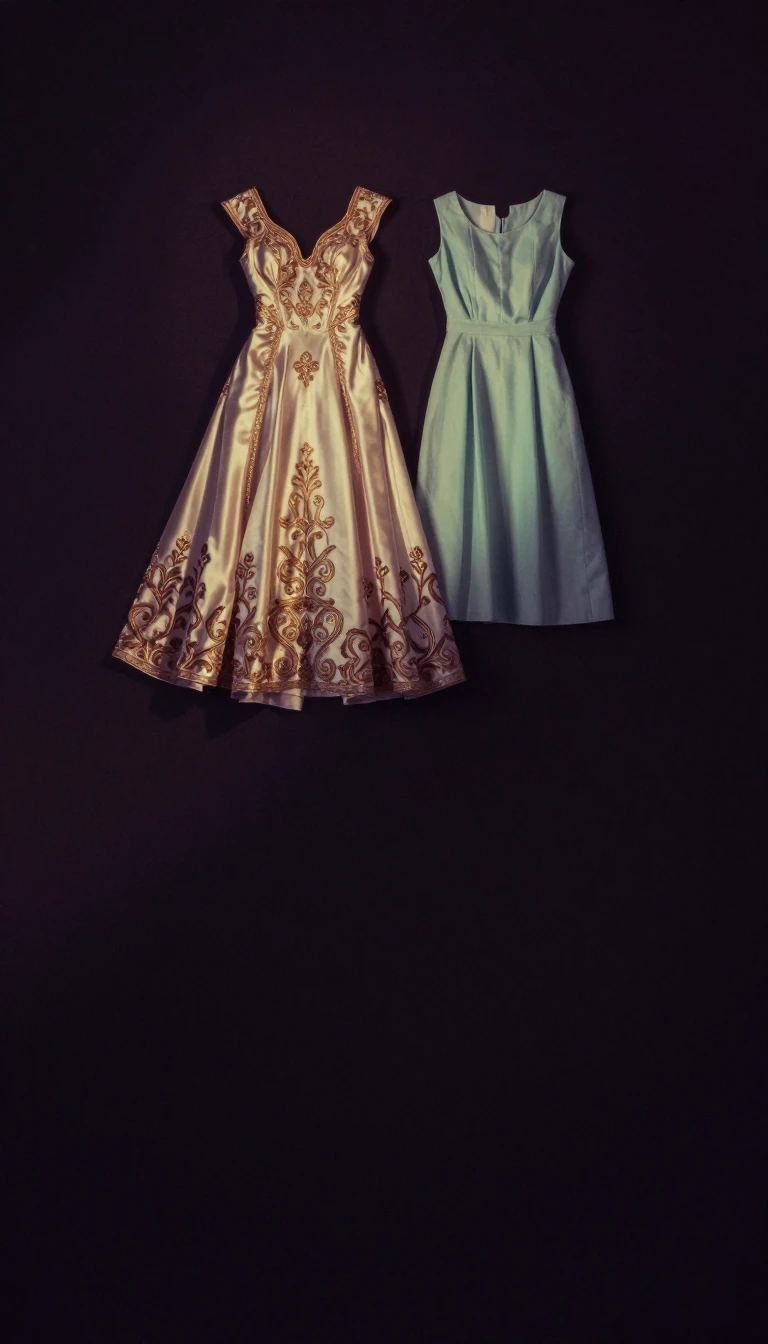
In short: Before 1948, the distinction between day and evening wear was often blurred. Then, a single term from Christian Dior changed everything, creating a massive new market for department stores and defining a new era of functional, mid-century elegance.
The cocktail dress emerged from a shift in social dynamics following World War I. As the concept of the 'working woman' gained popularity, so did the 'drinking woman' in business settings. Companies began hosting cocktail parties after 5:00 p.m. to facilitate networking, requiring a garment that was both fashionable and functional for guests expected to mingle. Unlike the elaborate, high-necked Victorian dinner dresses, the 20th-century cocktail dress prioritized ease of movement.
In the 1920s, a stylistic divide emerged between American and French approaches. American designers focused on efficiency and versatility, creating dresses that could be modified throughout the day using accessories. Conversely, French designers often favored more intimate, flowing styles, such as silk 'beach pajamas' with palazzo pants. By the mid-1920s, hemlines had risen to just below the knee, distinguishing these outfits from the ankle-length evening gowns of the era.
The formalization of the 'cocktail dress' as a specific category is credited to Christian Dior in 1948. This branding allowed retailers to market specific garments and accessories, fueling a boom in fashion stores. Following World War II, the 'New Look'—characterized by tight waistlines and fuller skirts—became the standard. While designers like Jacques Fath and Dior catered to the high-end market, American designers like Anne Fogarty adapted these silhouettes using more affordable fabrics for a wider audience.
By the 1950s, the look was completed by a strict etiquette of accessories. While guests wore cocktail hats (never indoors) and gloves, hostesses were notably prohibited from wearing accessories. The era was defined by the daring use of costume jewelry, such as large earrings or brooches, paired with items like velvet or lace hats and high heels or satin sandals.
Opens the Intellect+ feed with this card first. Swipe up for the next one.
Sources
- Summary by Intellect · source: Cocktail dress
To cite this card, link to https://intellectplus.co.uk/app/culture-cocktail-dress.
How we source, check and correct cards: Editorial standards.
General information, not professional advice. Spotted an error? Flag the card or see corrections and complaints.
Intellect Plus is a visual educational discovery platform for exploring fascinating facts and ideas. Brain Food, Not Brain Rot. What is Intellect Plus?
Related
More in Clothing and fashion · More in Cultures · Latest · A–Z · All topics
