A meteorite brings a cosmic infection that defies human understanding in this Lovecraftian horror
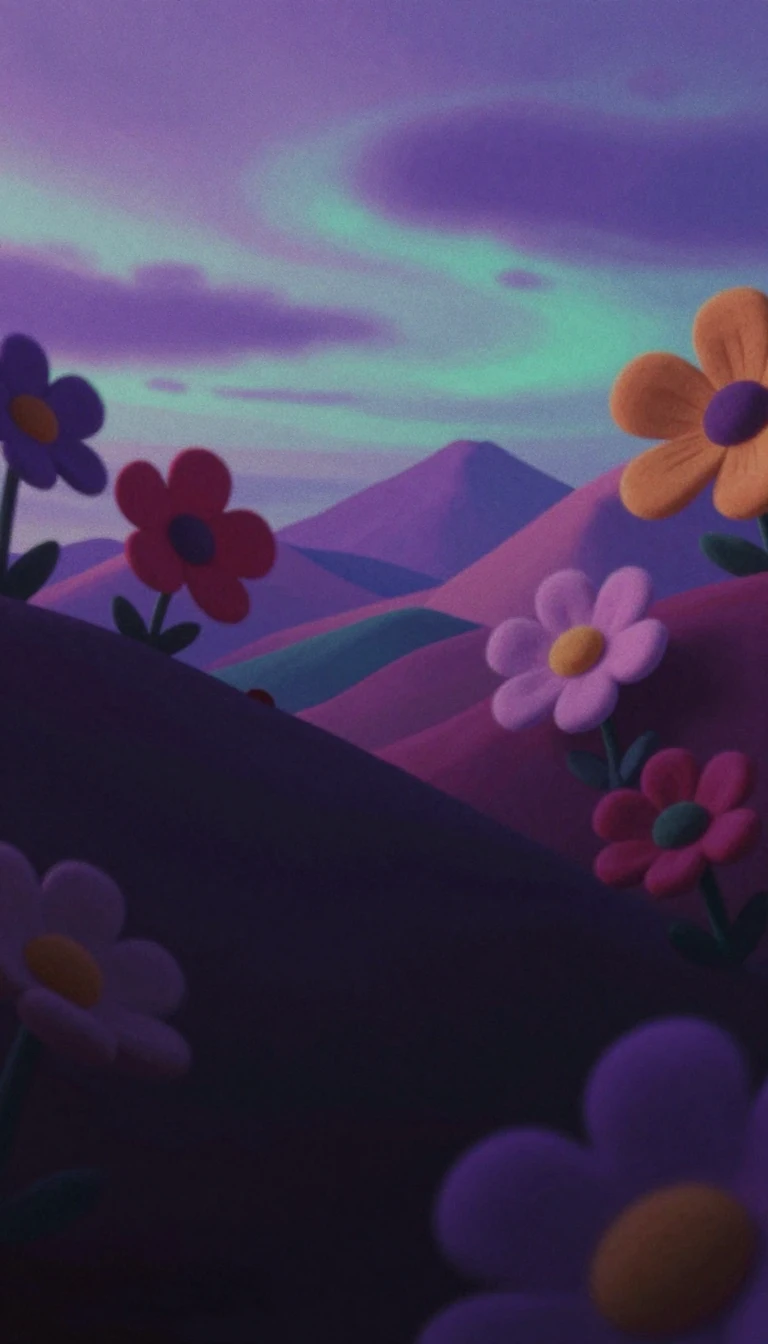
In short: When a brilliant meteorite crashes onto a remote farm, it brings more than just geological curiosity. The Gardner family soon faces a reality-warping contagion that fuses living beings and distorts time. Directed by Richard Stanley, this adaptation explores the terrifying, xenoforming power of an alien presence from beyond our world.
Released in 2020, Color Out of Space marks Richard Stanley's return to feature filmmaking after a long hiatus following his 1996 departure from The Island of Dr. Moreau. Based on H. P. Lovecraft’s short story, the film follows the Gardner family—Nathan, Theresa, and their three children—who relocate to a rural farm. Their lives unravel after a meteorite lands nearby, introducing a mysterious, glowing color that contaminates the local groundwater and begins to mutate the surrounding flora and fauna.
The film’s horror is rooted in the inexplicable. As the 'Color' spreads, it causes the family to experience psychological breakdown and physical fusion. Theresa and her youngest son, Jack, are merged into a single, monstrous entity, while the family’s alpacas suffer a similar fate. The narrative suggests that this alien force is attempting to xenoform the environment, draining life to reshape the world into something unrecognizable. The protagonist, hydrologist Ward Phillips, eventually witnesses the true nature of the entity—a funnel of cosmic energy connected to a psychedelic exoplanet inhabited by tentacled beings.
Critical reception has been generally favorable, with the film holding an 86% approval rating on Rotten Tomatoes. Critics have praised the visual style, special effects, and the unsettling atmosphere, though some noted the film’s uneven tone and the eccentric performance of Nicolas Cage. Despite these critiques, the film is widely regarded as a successful attempt to translate Lovecraft’s notoriously difficult existential dread into a modern cinematic experience. The story concludes with the site of the horror buried beneath a reservoir, leaving Ward as the sole survivor to carry the memory of an incident that few others acknowledge.
For Stanley, the project is deeply personal. He first encountered Lovecraft’s work as a child, and the story has been a significant part of his psychological makeup for decades. He views this film as the first installment in a planned trilogy of Lovecraft adaptations, with hopes to follow it with an interpretation of The Dunwich Horror. The film serves as both a technical showcase of cosmic horror and a harrowing moral tale about the fragility of human reality when confronted with the truly alien.
Opens the Intellect+ feed with this card first. Swipe up for the next one.
Sources
- Summary by Intellect · source: Color Out of Space (film)
To cite this card, link to https://intellectplus.co.uk/app/culture-color-out-of-space-film.
How we source, check and correct cards: Editorial standards.
General information, not professional advice. Spotted an error? Flag the card or see corrections and complaints.
Intellect Plus is a visual educational discovery platform for exploring fascinating facts and ideas. Brain Food, Not Brain Rot. What is Intellect Plus?
Related
More in UK & Irish culture · More in Cultures · Latest · A–Z · All topics
