The Cromwellian Conquest of Ireland: A Campaign of Religious Zeal and Land Confiscation
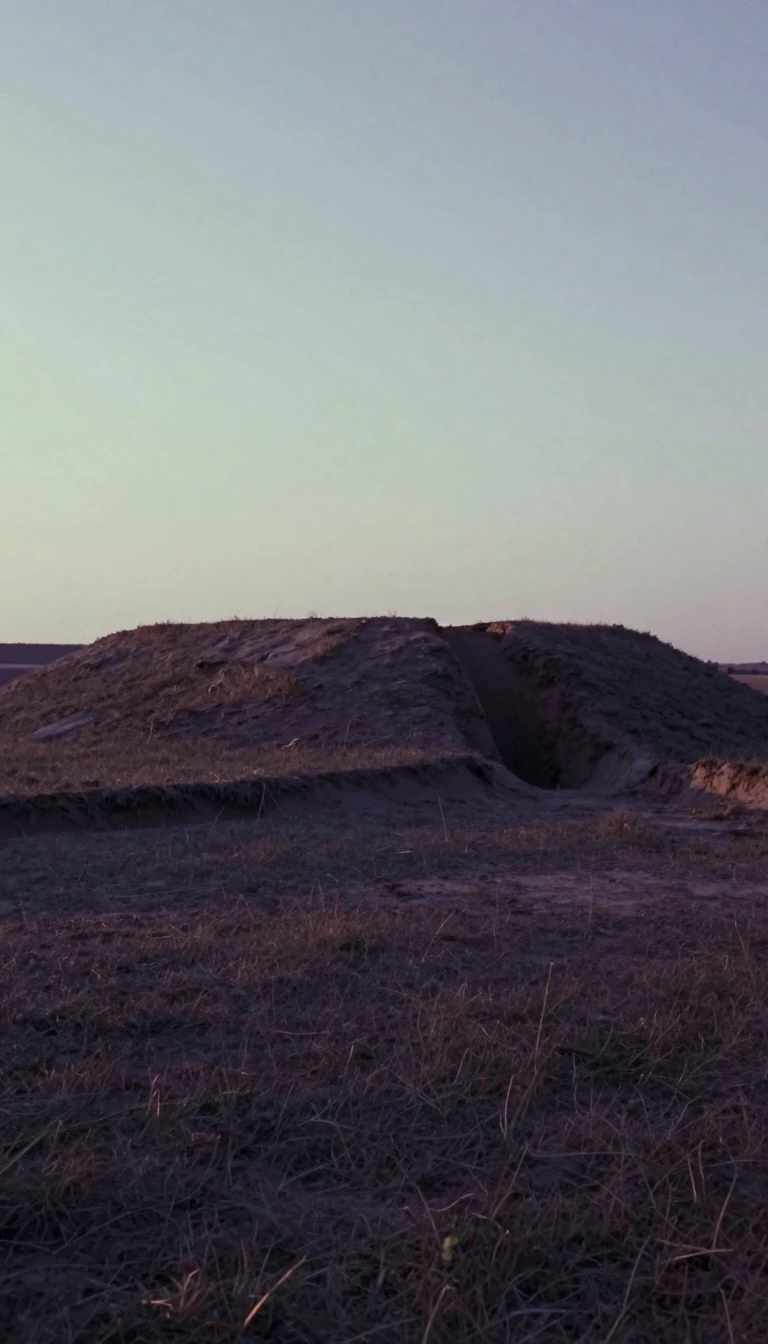
In short: Between 1649 and 1653, Oliver Cromwell led a brutal campaign to subdue Ireland, driven by religious fervor, the need to repay war debts, and a desire to punish the Irish for the 1641 rebellion. The resulting conflict, marked by massacres and famine, fundamentally reshaped Irish land ownership and national identity.
The Cromwellian conquest was not merely a military operation but a multi-faceted endeavor rooted in the political and religious turmoil of the mid-17th century. Following the execution of Charles I in 1649, the English Commonwealth sought to reassert control over Ireland, which had become a stronghold for a coalition of Irish Catholic Confederates and Royalists. This invasion was fueled by a financial imperative; the English Parliament had raised £10 million through the Adventurers' Act, promising creditors land confiscated from Irish rebels. Consequently, the conquest became a mechanism for both debt repayment and the systematic displacement of the Catholic population.
The campaign was defined by extreme violence, most infamously at Drogheda and Wexford. In 1649, Cromwell ordered that no quarter be given at Drogheda, resulting in the slaughter of the garrison and many civilians. While some scholars debate whether these actions aligned with the brutal standards of 17th-century siege warfare, contemporary figures like Edmund Ludlow characterized them as acts of 'extraordinary severity.' These massacres, combined with the scorched-earth tactics used against guerrilla 'tories,' created a humanitarian catastrophe. Famine and plague, exacerbated by the destruction of food supplies, led to a massive decline in the Irish population, with modern estimates suggesting a 20% mortality rate.
The aftermath of the war was codified in the Act for the Settlement of Ireland in 1652. This legislation barred Catholics from public office and facilitated the transfer of vast tracts of land to Protestant settlers. By the 1660 Stuart Restoration, Catholic land ownership had plummeted from 60% to 20%. Beyond the physical destruction, the conquest left a lasting legacy of resentment. Cromwell remains a deeply reviled figure in Irish history, symbolizing a period where religious antipathy and political necessity converged to dismantle the existing social and economic order of the country.
Opens the Intellect+ feed with this card first. Swipe up for the next one.
Sources
- Summary by Intellect · source: Cromwellian conquest of Ireland
To cite this card, link to https://intellectplus.co.uk/app/culture-cromwellian-conquest-of-ireland.
How we source, check and correct cards: Editorial standards.
General information, not professional advice. Spotted an error? Flag the card or see corrections and complaints.
Intellect Plus is a visual educational discovery platform for exploring fascinating facts and ideas. Brain Food, Not Brain Rot. What is Intellect Plus?
Related
More in Languages · More in Cultures · Latest · A–Z · All topics
