Why do some politicians sit on the crossbenches instead of with their party?
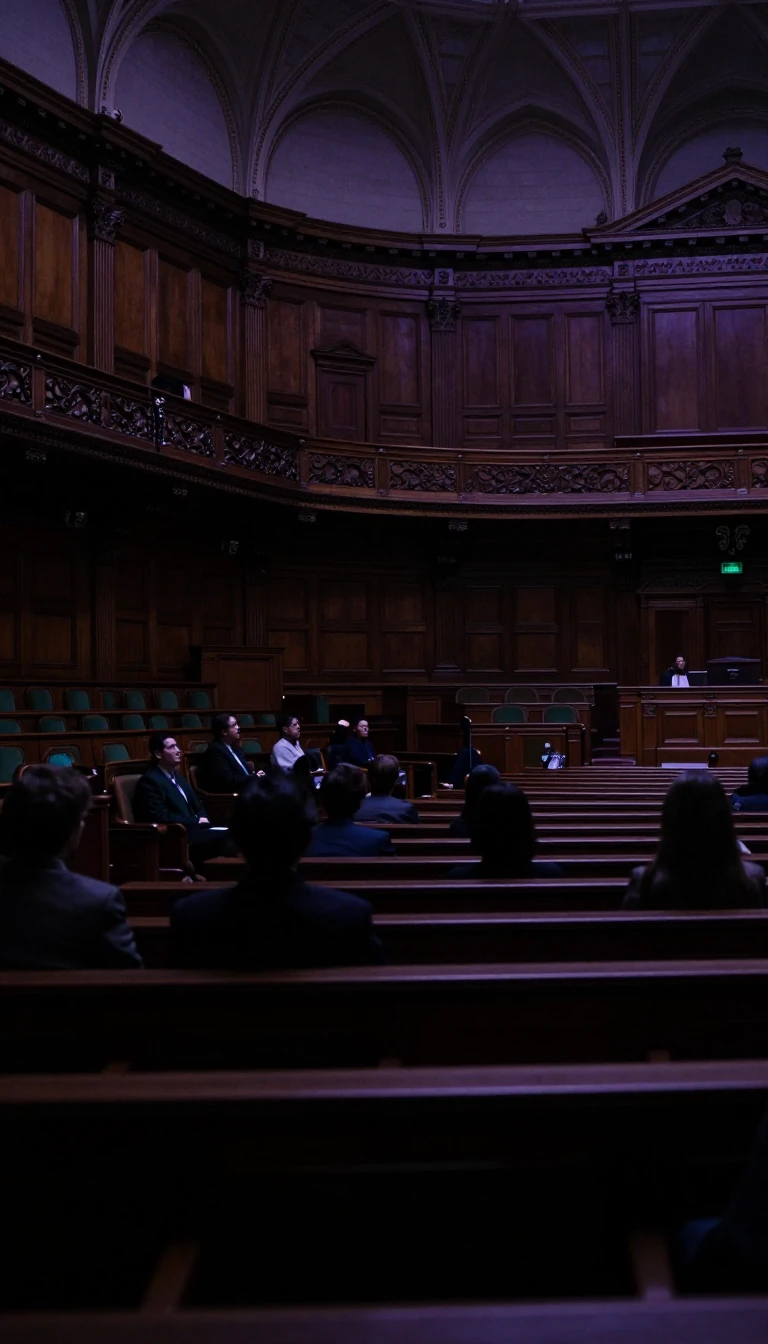
In short: In legislatures from London to Canberra, the crossbenches are a physical and political middle ground. Occupied by members who reject party lines, these seats represent a unique, non-partisan approach to governance. But what happens when these independent voices suddenly hold the balance of power in a hung parliament?
The term crossbencher originates from the physical layout of the British House of Lords, where members sit on benches perpendicular to the government and opposition. Unlike party members, crossbenchers do not take collective positions or employ whips. While they elect a convenor—such as the 16th Earl of Kinnoull, who assumed the role in April 2023—this position is purely administrative. These peers, including former Speakers of the House of Commons and non-political appointees, represent a significant force; as of 14 September 2026, they comprise approximately 19 percent of the House of Lords.
In Australia, the term is broader, encompassing any minor party or independent member who sits outside the governing and official opposition parties. The influence of these members can be decisive. During the 2010 federal election, which resulted in the first hung parliament since 1940, six crossbenchers held the balance of power, ultimately enabling the Australian Labor Party to form a minority government. Similarly, in the Australian Senate, the governing party frequently must negotiate with crossbenchers to pass legislation, a dynamic highlighted by the 2016 double dissolution election, which saw a record 20 crossbenchers elected.
While the concept of non-partisanship is central to the UK and Australian crossbench, other nations handle it differently. Canada, for instance, generally avoids the term, preferring to categorize non-governing groups as official opposition or third parties. However, the Canadian Senate has shifted toward non-partisanship since 2016, fostering independent groups like the Independent Senators Group. These caucuses mirror the crossbencher model by eschewing party whips, reflecting a growing global interest in legislative structures that prioritize independent deliberation over rigid party discipline.
Opens the Intellect+ feed with this card first. Swipe up for the next one.
Sources
- Summary by Intellect · source: Crossbencher
To cite this card, link to https://intellectplus.co.uk/app/culture-crossbencher.
How we source, check and correct cards: Editorial standards.
General information, not professional advice. Spotted an error? Flag the card or see corrections and complaints.
Intellect Plus is a visual educational discovery platform for exploring fascinating facts and ideas. Brain Food, Not Brain Rot. What is Intellect Plus?
Related
More in Languages · More in Cultures · Latest · A–Z · All topics
