The term Asian is a modern, shifting label for a continent of ancient migrations.
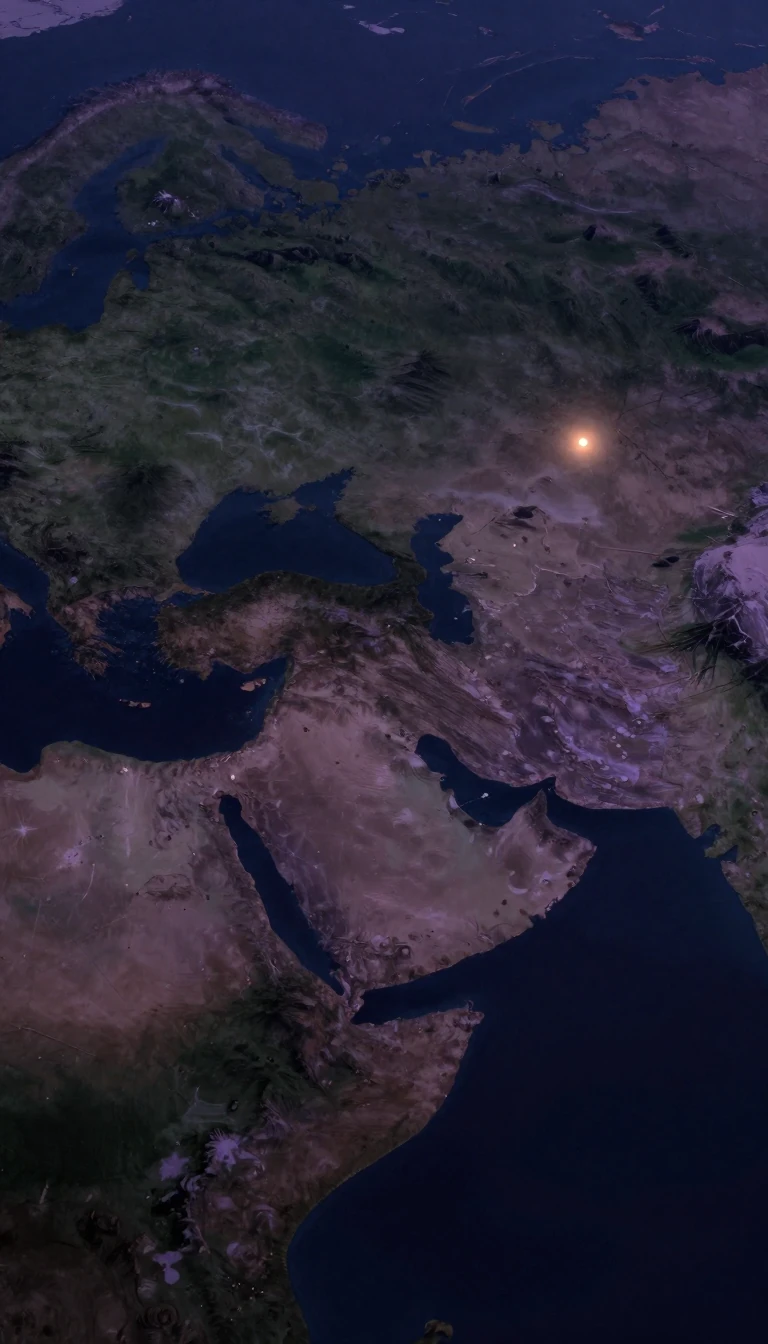
In short: Asia is not a monolith, but a tapestry woven from 60,000 years of movement. From the Mongolian plateaus to the coasts of Southeast Asia, prehistoric migrations and later imperial expansions created a complex ethnic map. Today, the label Asian is a contested, fluid category that changes meaning depending on where you stand.
The human history of Asia began with two primary prehistoric centers: Southwest Asia and the region encompassing the Mongolian plateaus and North China. Migrations from these hubs started as early as 60,000 years ago, eventually populating the entire continent. These early movements were followed by significant waves, such as the Indo-European-speaking peoples who began arriving in northern India around 2000 bce. Later, Turkic peoples pushed westward from Central Asia, while Austronesian speakers expanded from Taiwan around 4000 bce, eventually settling islands as distant as Madagascar and Hawaii.
These migrations were rarely peaceful or static. As Chinese civilization expanded southward during the Zhou, Qin, and Han dynasties, original inhabitants of southern China were absorbed or displaced, becoming ancestors to groups like the Thai, Lao, and Burmans. In other regions, such as Japan, incoming migrants mixed with and supplanted indigenous populations like the Ainu. This constant intermingling created fragmented ethnic identities, where groups like the Uzbeks emerged from a complex fusion of Turkic, Iranian, and Mongolian lineages.
Because of this history, the term Asian is notoriously difficult to define. In the United Kingdom and parts of Africa, it is often associated specifically with South Asian populations. In contrast, the United States Census Bureau uses a broad definition covering the Far East, Southeast Asia, and the Indian subcontinent. These classifications are often political rather than biological; for instance, people from the Indian subcontinent were once classified as white in the United States before being moved into the Asian category. As researcher Peter J. Aspinall notes, the term remains deeply contested, reflecting how modern labels struggle to capture the reality of a continent defined by millennia of shifting borders and human movement.
Opens the Intellect+ feed with this card first. Swipe up for the next one.
Sources
- Summary by Intellect · source: Asia - Ethnic Groups, Diversity, Cultures | Britannica
- Also: Asian people
To cite this card, link to https://intellectplus.co.uk/app/culture-asian-people.
How we source, check and correct cards: Editorial standards.
General information, not professional advice. Spotted an error? Flag the card or see corrections and complaints.
Intellect Plus is a visual educational discovery platform for exploring fascinating facts and ideas. Brain Food, Not Brain Rot. What is Intellect Plus?
Related
More in Ethnology and anthropology · More in Cultures · Latest · A–Z · All topics
