The ancient migrations that shaped the ethnic mosaic of Asia
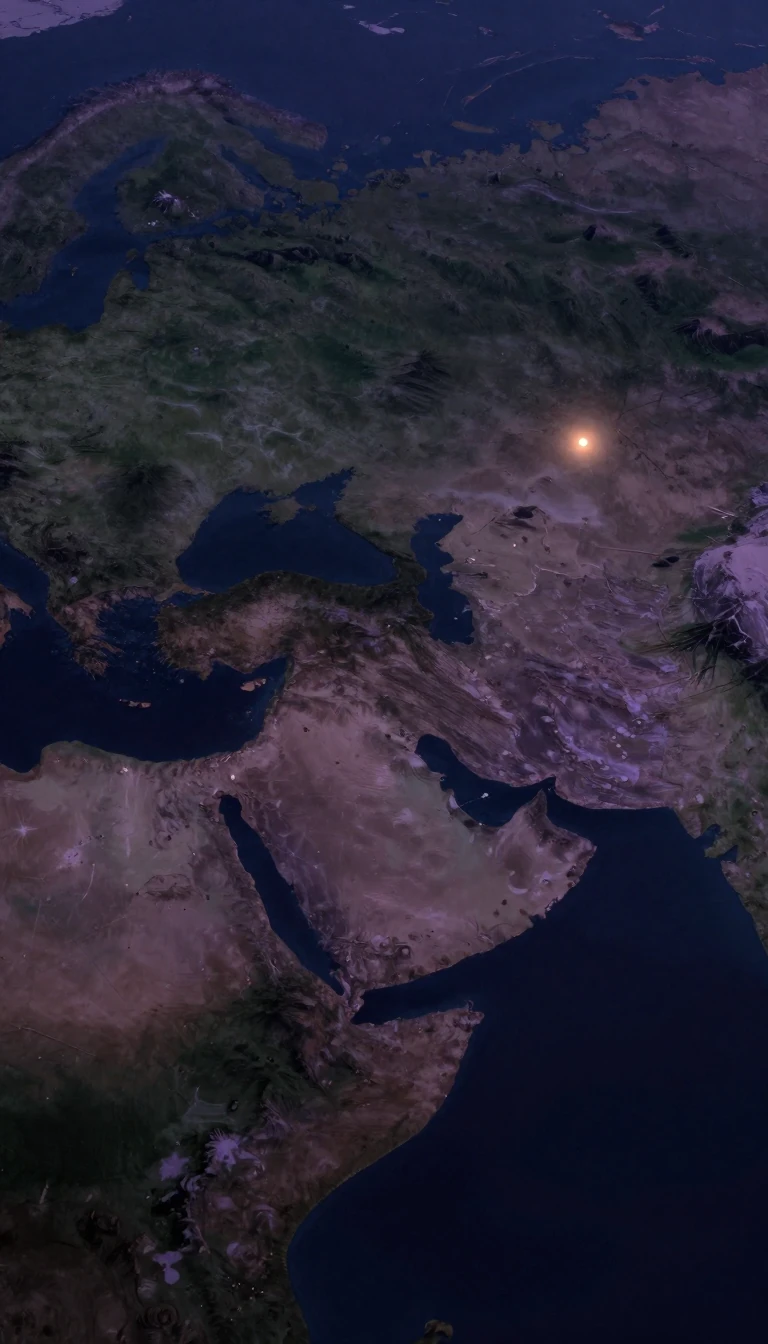
In short: Asia's vast ethnic diversity is no accident of geography. From the Mongolian plateau to Southwest Asia, millennia of human movement, displacement, and intermixing have woven a complex tapestry of identities, spanning everything from nomadic Bedouin Arabs to the urban populations of Singapore.
The continent's demographic foundation rests on two prehistoric settlement hubs: Southwest Asia and the region spanning the Mongolian plateau and North China. As early as 60,000 years ago, populations began moving from Southwest Asia toward Europe, Central Asia, and East Asia, with significant branches extending into India and Southeast Asia. These ancient flows were often part of larger, more complex patterns of mixing that eventually absorbed smaller, divergent migrations.
Significant linguistic shifts occurred around 2,000 BCE, when speakers of early Iranian languages and Indo-Aryan ancestors arrived in Iran and northern India. Later, the westward expansion of Turkic peoples, often driven by Mongol pressure, reshaped Central and Southwest Asia. In Southeast Asia, the arrival of Austronesian and Austroasiatic speakers between 5,000 and 2,000 BCE led to the gradual displacement of indigenous Australo-Melanesian groups.
This history of movement has created a continent of immense variety. In West Asia, dominant groups include roughly 150 million Arabs, 60 million Turkic peoples, and 50 million Persians. In Central Asia, the culture is a vibrant blend of influences from the Silk Road, shaped by the conquests of the Mongols, Timurids, and Russians. Even modern administrative classifications reflect these deep histories; for instance, the UK Census has historically adjusted categories, such as moving the Chinese group from 'Other' to 'Asian' in 2011 to better reflect changing demographics.
Today, these groups inhabit diverse environments, from the arctic and subarctic to tropical coasts and expansive deserts. While some populations, like the Bedouin, maintain nomadic traditions, others inhabit entirely urbanized states like Qatar and Singapore.
Opens the Intellect+ feed with this card first. Swipe up for the next one.
Sources
- Summary by Intellect · source: List of ethnic groups
- Also: Ethnic groups in Asia
- Also: Asia - Ethnic Groups, Diversity, Cultures | Britannica
To cite this card, link to https://intellectplus.co.uk/app/culture-ethnic-groups-in-asia.
How we source, check and correct cards: Editorial standards.
General information, not professional advice. Spotted an error? Flag the card or see corrections and complaints.
Intellect Plus is a visual educational discovery platform for exploring fascinating facts and ideas. Brain Food, Not Brain Rot. What is Intellect Plus?
Related
More in Ethnology · More in Cultures · Latest · A–Z · All topics
