The midday pause that defines the Spanish rhythm
In short: While much of the West follows a standard nine-to-five, Spain maintains a unique temporal architecture. From the timing of heavy lunches to the historic influence of the Reconquista, understanding the Spanish day requires looking past the stereotypes of the midday nap.
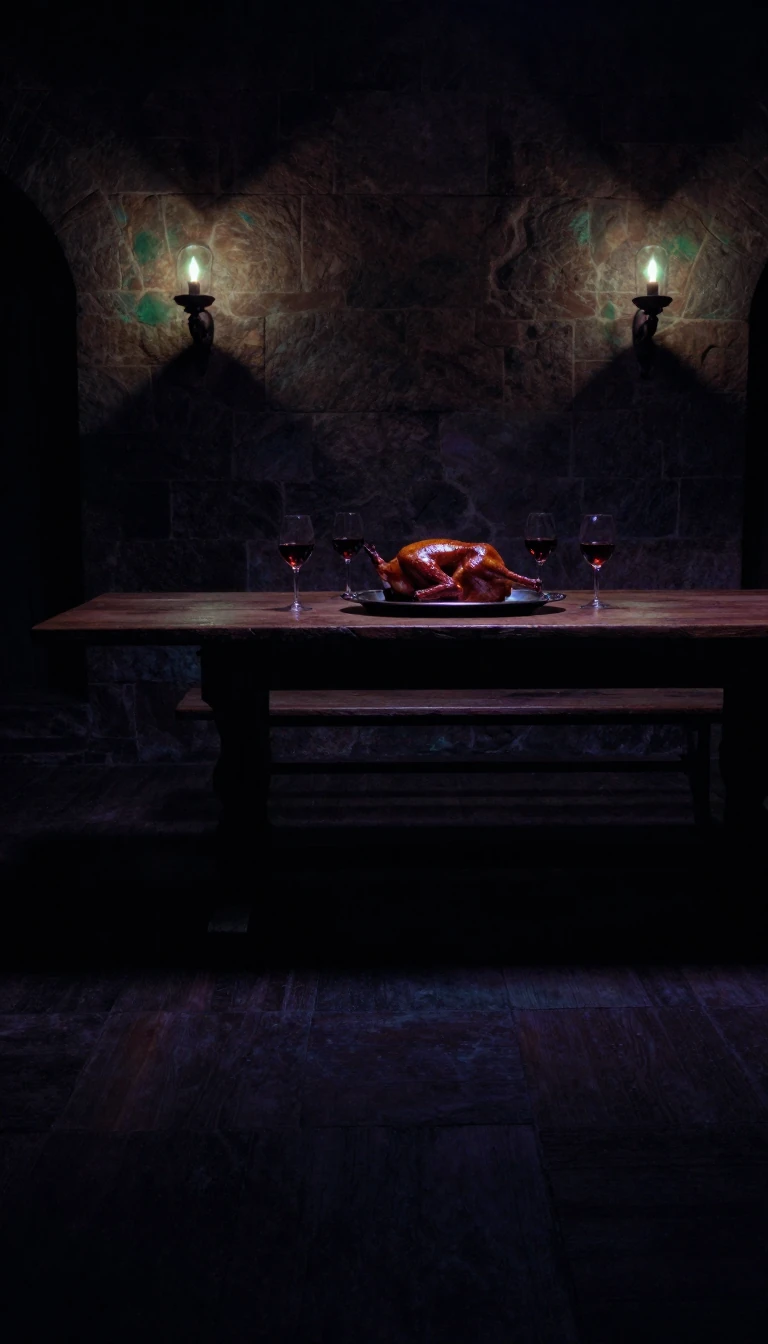
The Spanish daily schedule is defined by a distinct midday break, often lasting between two and five hours. During this period, many businesses close, and the streets quiet down, though large department stores and restaurants remain active. This rhythm dictates that the primary meal of the day, lunch, occurs between 2:00 and 3:00 pm. While the famous 'siesta' or afternoon nap was once a standard follow-up, it is currently declining due to modern commuting patterns. The day concludes with a late supper, typically between 9:00 and 10:00 pm, and can even extend later during the heat of summer.
This cultural structure is layered with centuries of complex history. The Roman Empire established a lasting legal and administrative foundation, while later periods saw the influence of Visigoths and Muslim rule. The Christian Reconquista, culminating in 1492, eventually unified the nation under Roman Catholicism. This historical layering is even visible in the language; approximately 85% of modern Spanish vocabulary stems from Latin, though significant traces of Arabic, Greek, and Celtic remain.
Culinary traditions further reflect this regional diversity. From the seafood-heavy dishes of Galicia to the Valencian paella and Andalusian gazpacho, food varies by province. While many assume Spanish food is inherently spicy, most heat comes from mild chilies or paprika, rather than intense heat. Today, while the 1960s brought an influx of international and American influences, the fundamental patterns of eating and the importance of regional products continue to shape the national identity.
Opens the Intellect+ feed with this card first. Swipe up for the next one.
Sources
- Summary by Intellect · source: Spain - Culture, Cuisine, Traditions | Britannica
- Also: Culture of Spain
To cite this card, link to https://intellectplus.co.uk/app/culture-culture-of-spain.
How we source, check and correct cards: Editorial standards.
General information, not professional advice. Spotted an error? Flag the card or see corrections and complaints.
Intellect Plus is a visual educational discovery platform for exploring fascinating facts and ideas. Brain Food, Not Brain Rot. What is Intellect Plus?
Related
More in Culture · More in Cultures · Latest · A–Z · All topics
