Two miles of water separate a tiny Alaskan island from its Russian neighbor.
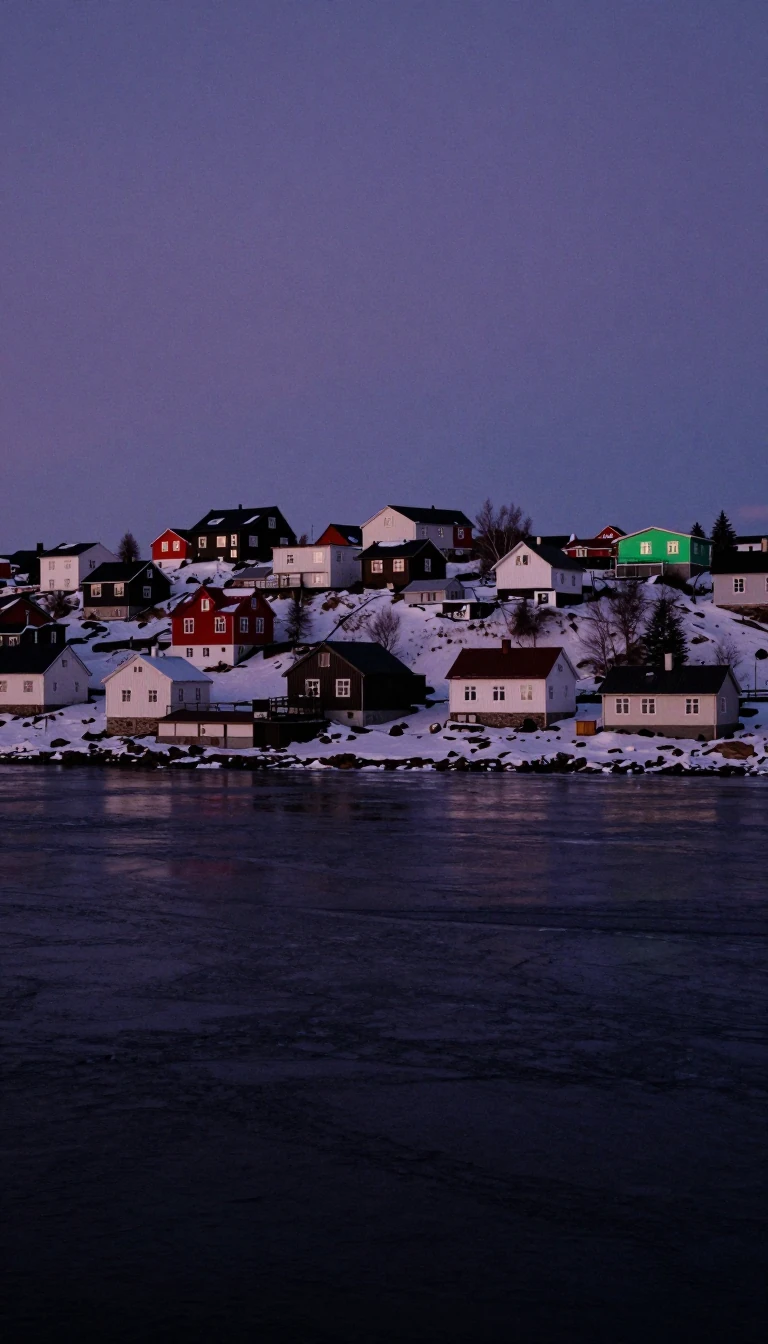
In short: Little Diomede sits in the Bering Strait, a remote outpost where residents live just miles from Russia. Once a unified community, the islands were split by Cold War politics, forcing families apart. Today, this resilient Iñupiat village maintains ancient traditions while navigating the extreme challenges of life on the edge.
Little Diomede, known in Iñupiaq as Iŋaliq, is a rocky island in the Bering Strait with a population of 83 as of 2020. While archaeologists believe the site has been inhabited for at least 3,000 years, its modern history is defined by the 1867 Alaska Purchase. This event drew a border between Little Diomede and Big Diomede, the latter of which became part of Russia. For decades, the two islands remained culturally linked by family ties, with residents occasionally crossing the ice to visit relatives despite official prohibitions.
The Cold War fundamentally altered this connection. In the late 1940s, the Soviet Union transformed Big Diomede into a military base and forcibly removed its native residents to the mainland. During this era, any attempt by Little Diomede residents to visit the Russian side could lead to arrest and interrogation. The geopolitical tension was so profound that even during World War II, locals faced severe restrictions. It was not until 1987 that the divide was symbolically bridged when American swimmer Lynne Cox swam between the two islands, a feat that earned praise from Mikhail Gorbachev as a testament to the proximity of the two peoples.
Life on Little Diomede remains defined by its extreme isolation. The island has no roads, hotels, or restaurants, and residents rely on a weekly helicopter mail service—the most expensive in Alaska—and an annual summer barge for supplies. Because the permafrost prevents underground infrastructure, the community relies on manual water transport and diesel generators for power. Despite these hardships, the Iñupiat continue to practice traditional whaling and ivory carving, maintaining a distinct culture that has persisted through centuries of environmental and political change.
Today, the village functions as an incorporated city, though it faces ongoing challenges regarding infrastructure, such as waste disposal and healthcare access. With no hospital on the island, medical emergencies require airlifts to Nome, weather permitting. Despite these limitations, the community remains a vital, permanent settlement, deeply connected to the sea and the history of the Bering Strait.
Opens the Intellect+ feed with this card first. Swipe up for the next one.
Sources
- Summary by Intellect · source: Diomede, Alaska
To cite this card, link to https://intellectplus.co.uk/app/culture-diomede-alaska.
How we source, check and correct cards: Editorial standards.
General information, not professional advice. Spotted an error? Flag the card or see corrections and complaints.
Intellect Plus is a visual educational discovery platform for exploring fascinating facts and ideas. Brain Food, Not Brain Rot. What is Intellect Plus?
Related
More in Peoples & civilisations · More in Cultures · Latest · A–Z · All topics
