How a quest to silence tape hiss transformed the sound of modern cinema
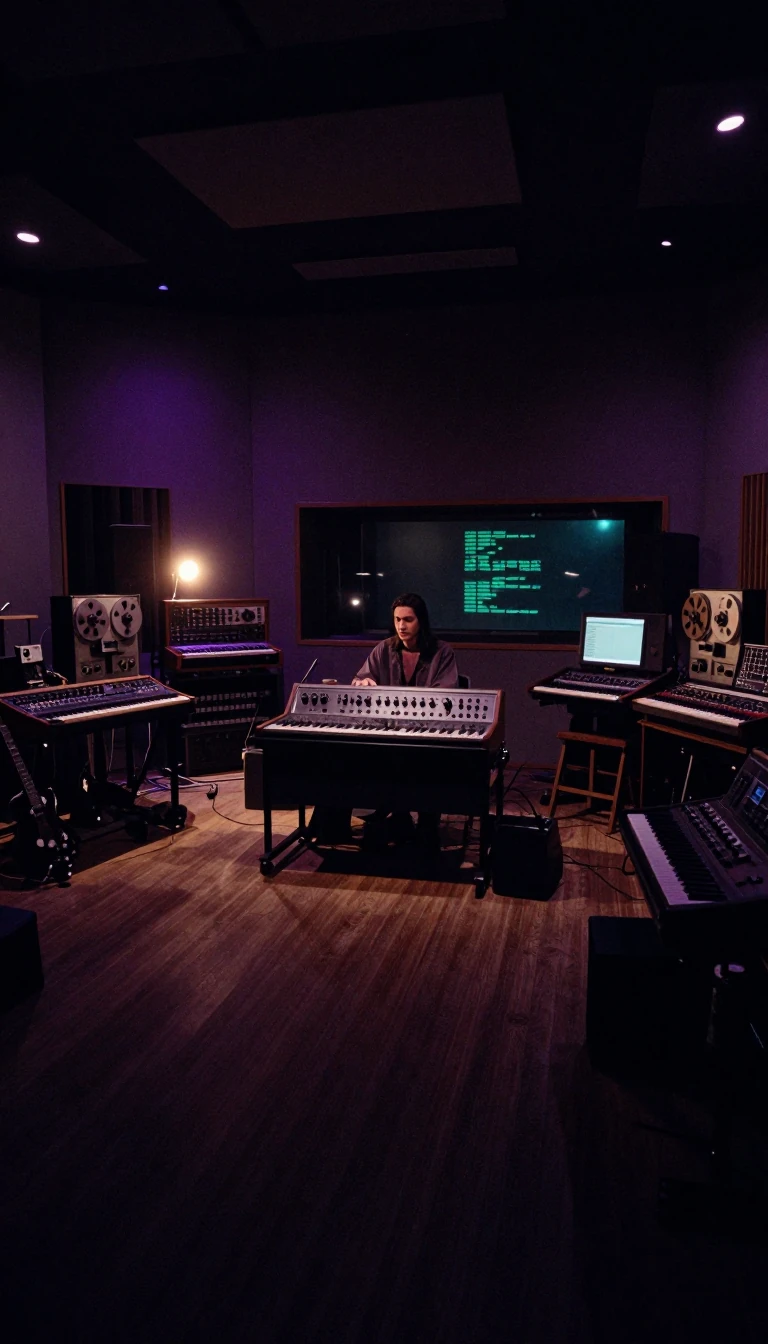
In short: Ray Dolby founded his company in 1965 to eliminate background noise on cassette tapes. His breakthrough in signal processing eventually migrated from recording studios to movie theaters, where it solved the distortion problems of optical soundtracks and paved the way for the immersive surround sound experiences we enjoy today.
In 1965, Ray Dolby established Dolby Laboratories in London, initially focusing on a noise reduction system designed to minimize the persistent hissing found on cassette recordings. This innovation, the Dolby A301, quickly became a professional standard adopted by major institutions like the BBC and CBS Studios. By 1976, the company had relocated its headquarters to San Francisco, cementing its role as a leader in audio signal processing.
The company's pivot to cinema was driven by the inherent limitations of optical sound, which suffered from high background noise and distortion caused by aggressive high-frequency pre-emphasis. Stanley Kubrick was an early adopter, using Dolby's noise reduction for the mixing of A Clockwork Orange in 1971. By 1975, Dolby introduced Dolby Stereo, a system that matrixed additional center and surround channels into optical soundtracks. This technology revolutionized the theater experience, with 6,000 cinemas adopting the format within a decade.
Dolby continued to evolve its technology, moving from analog noise reduction to digital compression schemes like Dolby Digital, which debuted with Batman Returns in 1992. The company’s influence expanded further with the introduction of Dolby Atmos in 2012, which added vertical sound placement to the cinema experience. Today, Dolby’s reach extends from professional studio tools and broadcast standards to developer platforms like Dolby.io, which allows for the integration of spatial audio and media enhancement into modern apps and games.
While the company is best known for its consumer-facing audio formats, its history is marked by a constant push to improve sound fidelity across various media. From the early days of tape recording to the modern era of streaming and high-dynamic-range television, Dolby has consistently sought to bridge the gap between studio-quality masters and the playback equipment used by the public.
Opens the Intellect+ feed with this card first. Swipe up for the next one.
Sources
- Summary by Intellect · source: Dolby
To cite this card, link to https://intellectplus.co.uk/app/culture-dolby.
How we source, check and correct cards: Editorial standards.
General information, not professional advice. Spotted an error? Flag the card or see corrections and complaints.
Intellect Plus is a visual educational discovery platform for exploring fascinating facts and ideas. Brain Food, Not Brain Rot. What is Intellect Plus?
Related
More in Languages · More in Cultures · Latest · A–Z · All topics
