The Douay–Rheims Bible: A Latin-Based Counter-Reformation Response to Protestant English Translations
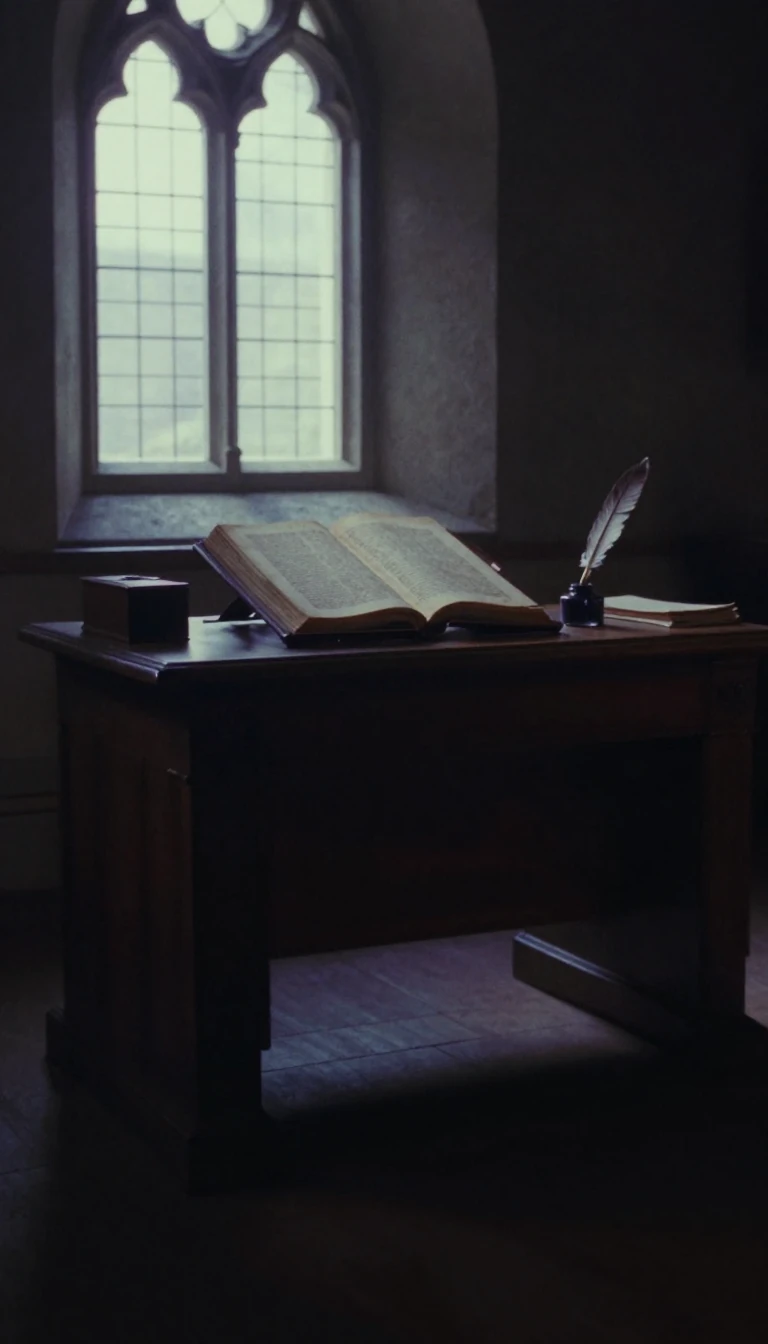
In short: Born from the English College in exile, the Douay–Rheims Bible was a deliberate, literal translation of the Latin Vulgate. Designed to combat Protestant interpretations, its dense, Latinate prose was later smoothed by Bishop Richard Challoner, creating a version that shaped English-speaking Catholic life for over two centuries.
The Douay–Rheims Bible emerged as a Counter-Reformation project by English Catholics at the University of Douai. Published in stages—the New Testament in 1582 and the Old Testament in 1609–1610—it aimed to provide a faithful rendering of the Latin Vulgate, which the Council of Trent had declared the authentic Latin version. The translators, led by Gregory Martin, prioritized literal accuracy over fluid English, often retaining Latin syntax and vocabulary to avoid imposing human interpretation on ambiguous passages. This approach was explicitly polemical, intended to counter the perceived clarity-seeking bias of Protestant versions like the Geneva Bible.
The original text was notoriously difficult to read, leading Bishop Richard Challoner to produce a major revision between 1749 and 1752. Challoner modernized the language, removed the extensive, often combative, marginal annotations, and adopted a style influenced by the King James Version. His revision became the standard for English-speaking Catholics until the mid-20th century. While later scholars like Bernard MacMahon further adjusted the text, Challoner’s core version remained the primary Catholic Bible in the United States and England until the 1943 encyclical Divino afflante Spiritu encouraged translations based directly on original Hebrew and Greek manuscripts.
Despite its secondary status as a translation of a translation, the Douay–Rheims left a mark on English biblical history. The Rheims New Testament was available to the King James Version translators, and evidence from the notes of John Bois suggests they consulted it, particularly when deciding how to handle obscurities in the source text. Today, the Challoner revision remains a touchstone for traditionalist Catholics, serving as a reminder of a time when the Bible was not just a religious text, but a battleground for linguistic and theological authority.
Opens the Intellect+ feed with this card first. Swipe up for the next one.
Sources
- Summary by Intellect · source: Douay–Rheims Bible
To cite this card, link to https://intellectplus.co.uk/app/culture-douay-rheims-bible.
How we source, check and correct cards: Editorial standards.
General information, not professional advice. Spotted an error? Flag the card or see corrections and complaints.
Intellect Plus is a visual educational discovery platform for exploring fascinating facts and ideas. Brain Food, Not Brain Rot. What is Intellect Plus?
Related
More in Languages · More in Cultures · Latest · A–Z · All topics
