Can a human being truly be a blank slate for hire by the wealthy?
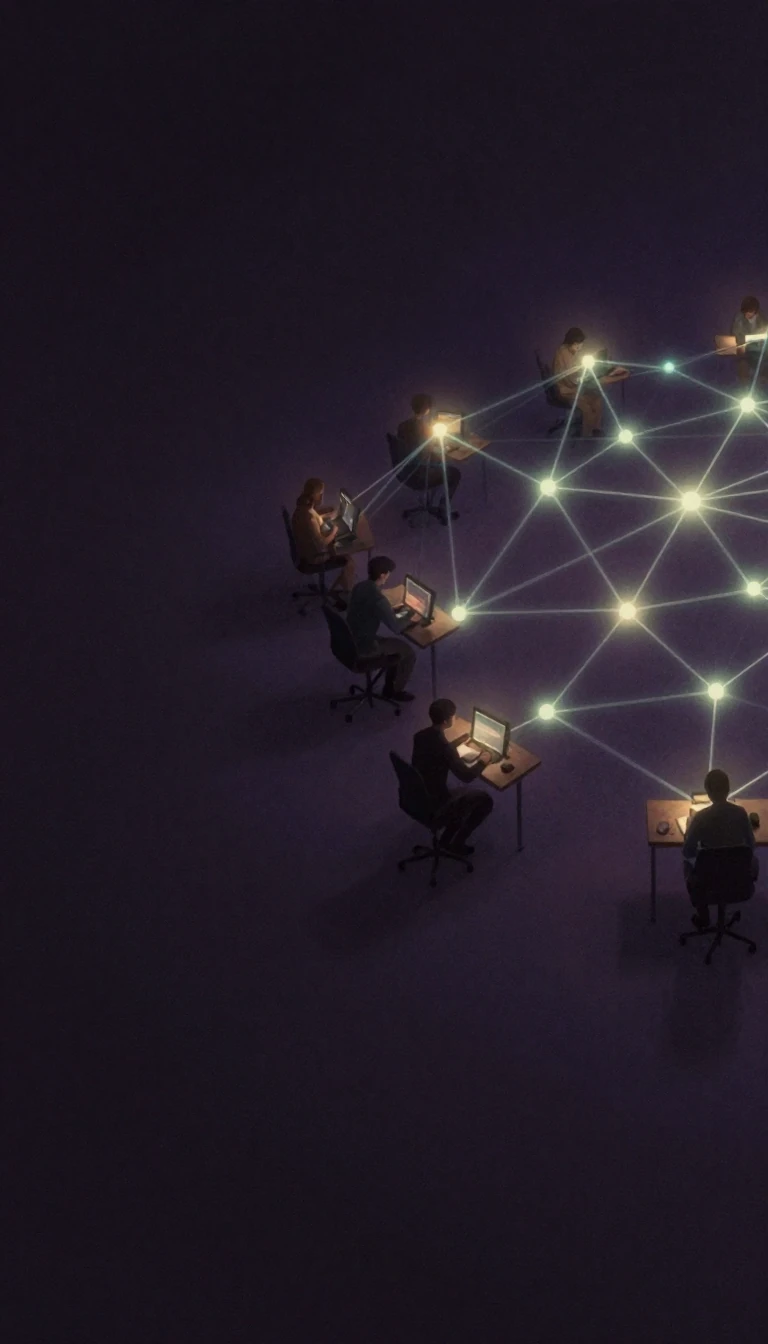
In short: In the science fiction series Dollhouse, a clandestine corporation programs individuals with temporary personalities to serve elite clients. These Actives, or Dolls, surrender their minds for five-year stints, only to have their original identities wiped. But what happens when the blank slate begins to remember and fight back?
Created by Joss Whedon, Dollhouse debuted on Fox in 2009. The series centers on the Los Angeles Dollhouse, one of over twenty global facilities where human beings are rented out for tasks ranging from expert counsel to criminal enterprise. Actives exist in a childlike, blank state until a programmer, such as the amoral Topher Brink, uploads new memories and skills via a device called a wedge. The show explores the ethical implications of this technology, particularly through the eyes of Echo, an Active who begins to develop self-awareness that resists the standard personality wipes.
The narrative expands beyond individual identity to corporate malfeasance. The Dollhouse is sponsored by the Rossum Corporation, a medical research entity with global ambitions to control governments through remote mind-wiping technology. As the series progresses, the characters confront their own moral complicity. Echo, originally a political activist named Caroline Farrell, leads a resistance against Rossum. She discovers that the company founder is not a person, but a name taken from the 1921 play R.U.R., which introduced the term robot to the world. The show’s final episodes, set in a post-apocalyptic future, depict the catastrophic consequences of this technology, where the world is enslaved and the population is remotely controlled.
Dollhouse faced significant production challenges, including a scrapped pilot and low ratings that led to its cancellation in 2010. Despite this, the show maintained a dedicated fan base and a complex internal logic. Characters like Victor and Sierra, who retain their love for one another despite repeated memory erasures, highlight the show's preoccupation with the persistence of the self. By the series finale, set in 2020, the world lies in ruins, and the remaining Actives must navigate a reality where the boundary between human personhood and programmed architecture has been irrevocably blurred. The series remains a provocative examination of identity, memory, and the dangers of unchecked scientific advancement.
Opens the Intellect+ feed with this card first. Swipe up for the next one.
Sources
- Summary by Intellect · source: Dollhouse (TV series)
To cite this card, link to https://intellectplus.co.uk/app/culture-dollhouse-tv-series.
How we source, check and correct cards: Editorial standards.
General information, not professional advice. Spotted an error? Flag the card or see corrections and complaints.
Intellect Plus is a visual educational discovery platform for exploring fascinating facts and ideas. Brain Food, Not Brain Rot. What is Intellect Plus?
Related
More in Peoples & civilisations · More in Cultures · Latest · A–Z · All topics
