The high-waisted silhouette that traded rigid corsets for ancient Greek ideals
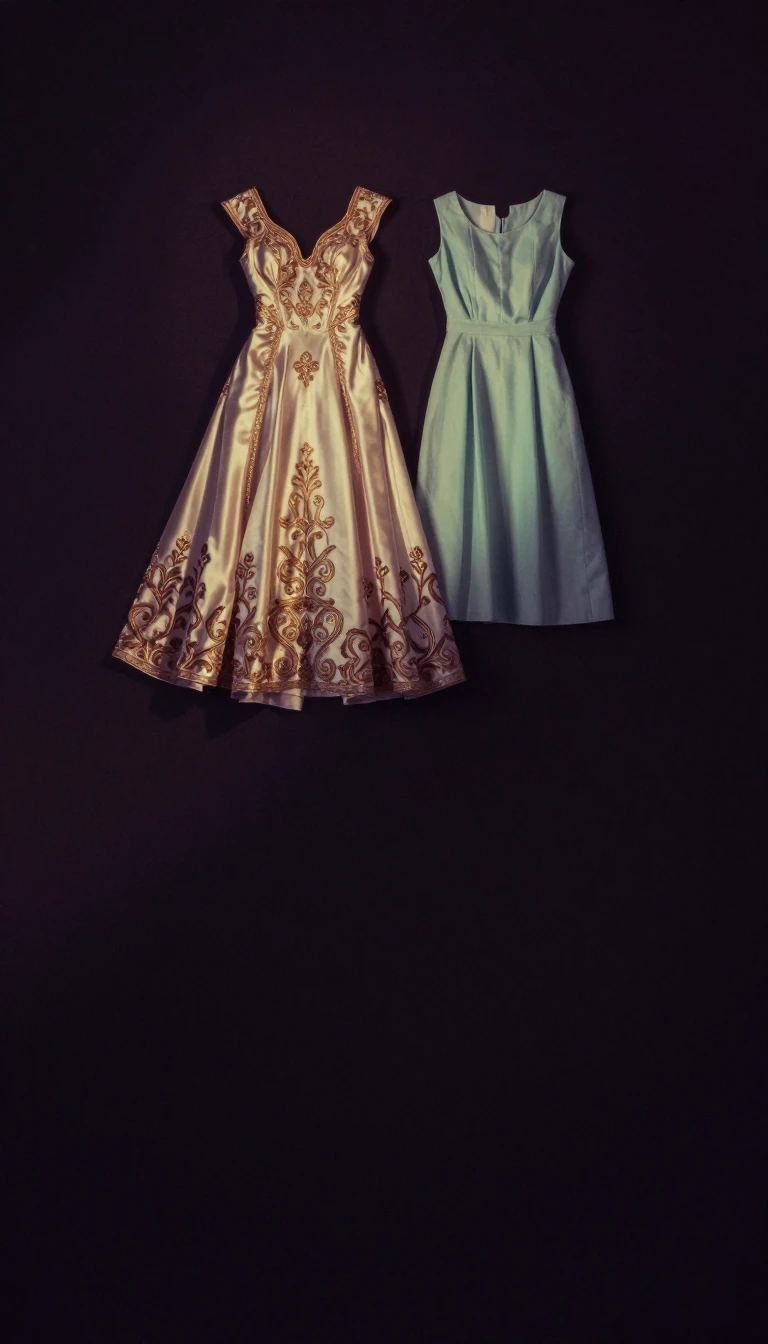
In short: In the late 18th century, fashion underwent a radical transformation. Moving away from the voluminous, constricting styles of the 1770s, women embraced the Empire silhouette—a streamlined look inspired by Greco-Roman antiquity that prioritized comfort and lightness over aristocratic ostentation.
The Empire silhouette is defined by a fitted bodice that ends just below the bust, creating a high-waisted appearance paired with a long, loosely fitting skirt. This style emerged as part of the Neoclassical movement, reviving the aesthetic of ancient Greek garments like the chiton or peplos. These ancient tunics were often belted under the bust to provide support and comfort in warm climates.
The shift was deeply political. Following the French Revolution in 1789, the extravagant and ornate fashions of the old aristocracy fell out of favor. The new, simpler style reflected a desire to recover ancient virtues. While Napoleon used the look to evoke the grandeur of Rome to support his imperial agenda, in Britain, the style became known as 'Regency' fashion.
Social status remained a key driver of fashion trends. In the early years of the movement, many dresses were made of white fabric to signal wealth; only the gentry and aristocratic classes could afford to maintain such pale, easily soiled garments. The look was further popularized by figures like Emma, Lady Hamilton, who performed 'attitudes'—poses imitating classical antiquity.
The silhouette's dominance lasted until the early 1820s, when it gradually transitioned into the hourglass shapes of the Victorian era. The style saw a notable revival in the 1960s, mirroring the era's loosening social mores, much like how the 1920s flapper style had previously replaced the heavy corsetry of the early 1900s.
Opens the Intellect+ feed with this card first. Swipe up for the next one.
Sources
- Summary by Intellect · source: Empire silhouette
To cite this card, link to https://intellectplus.co.uk/app/culture-empire-silhouette.
How we source, check and correct cards: Editorial standards.
General information, not professional advice. Spotted an error? Flag the card or see corrections and complaints.
Intellect Plus is a visual educational discovery platform for exploring fascinating facts and ideas. Brain Food, Not Brain Rot. What is Intellect Plus?
Related
More in Fashion through the ages · More in Cultures · Latest · A–Z · All topics
