The 1820s marked a dramatic shift from neoclassical simplicity to structured, ornate silhouettes.
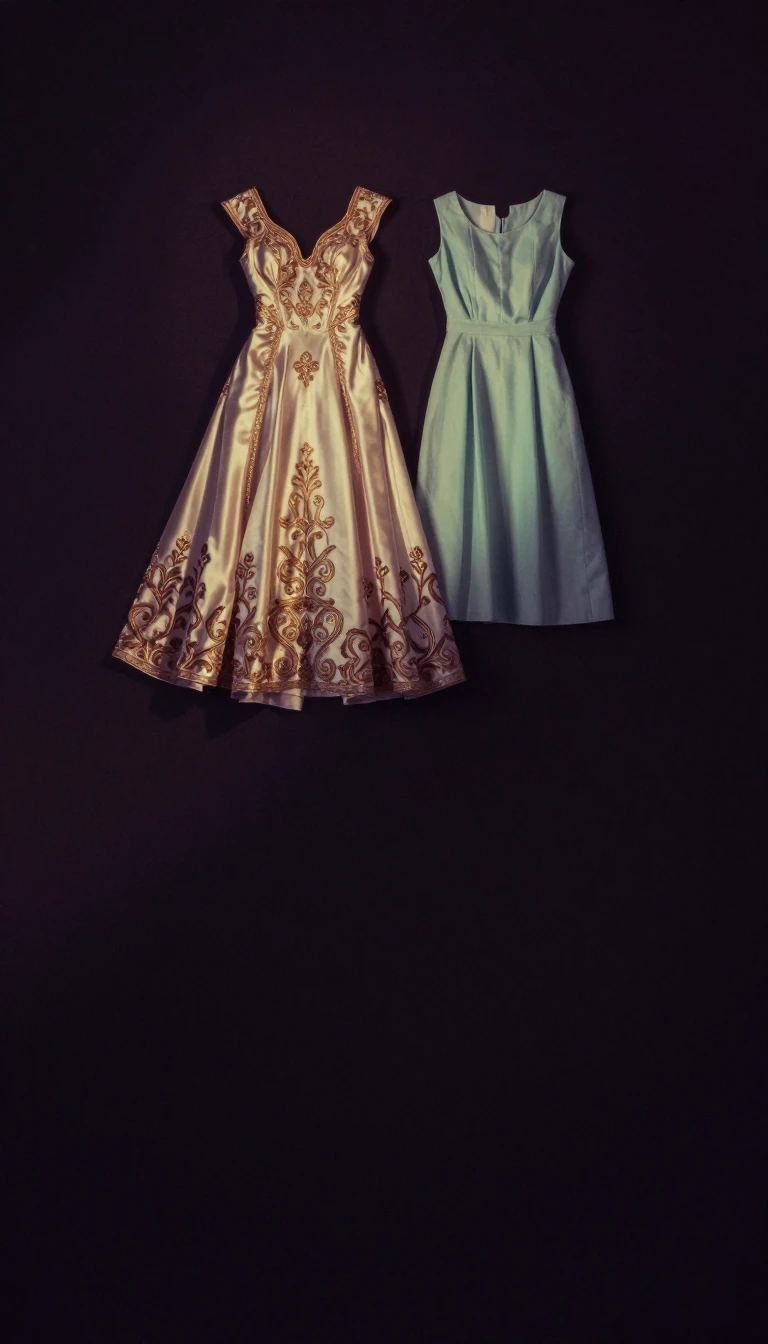
In short: During the 1820s, Western fashion abandoned the free-flowing Regency aesthetic for a more rigid, defined look. Both men and women embraced corsetry, broader shoulders, and fuller skirts. This decade bridged the gap between the simplicity of the early century and the elaborate, structured styles that would define the Victorian era.
The 1820s served as a pivotal transition in Western fashion, moving away from the unconfining empire silhouette of the Regency period. By the second half of the decade, the neoclassical aesthetic was decisively rejected in favor of a look characterized by strict corseting of the natural waist, wide sloping shoulders, and expansive sleeves. For women, this meant skirts became increasingly voluminous, often decorated with ornate horizontal trim, tucks, or ruffles near the hem. The era also saw the introduction of bold colors like Turkey red and chrome yellow, alongside large-scale plaid or checkerboard patterns, marking a sharp departure from the delicate pastel prints of the previous era.
Men’s fashion underwent a parallel transformation, driven by a revolution in tailoring. The adoption of wool as a primary fabric allowed for a more precise fit, emphasizing an idealized silhouette with broad, puffed shoulders, a narrow waist, and full skirts. Coats were constructed with separately cut tails and lapels to better follow the body's contours, while padding was used to stiffen collars and chest areas. To achieve the fashionable narrow waist, men of the middle and upper classes began wearing corsets—often referred to as girdles or vests to avoid feminine associations. This period also saw the rise of the dandy, as middle-class men used their wardrobes to signal social aspiration.
Accessories and grooming evolved to complement these new shapes. Women’s hairstyles grew more elaborate, moving from tight curls at the temples to expansive arrangements with high-looped knots. Hats became larger, often adorned with masses of feathers and ribbons, while the cornette and turban remained popular indoor options. Footwear also shifted, with the late 1820s seeing the emergence of the first high-top shoes for both sexes. These changes reflected a broader cultural shift toward structured definition, setting the stage for the dramatic fashion trends that would dominate the following decade.
Opens the Intellect+ feed with this card first. Swipe up for the next one.
Sources
- Summary by Intellect · source: 1820s in Western fashion
To cite this card, link to https://intellectplus.co.uk/app/culture-1820s-in-western-fashion.
How we source, check and correct cards: Editorial standards.
General information, not professional advice. Spotted an error? Flag the card or see corrections and complaints.
Intellect Plus is a visual educational discovery platform for exploring fascinating facts and ideas. Brain Food, Not Brain Rot. What is Intellect Plus?
Related
More in Fashion through the ages · More in Cultures · Latest · A–Z · All topics
