How French fashion evolved from royal propaganda to a global industrial powerhouse
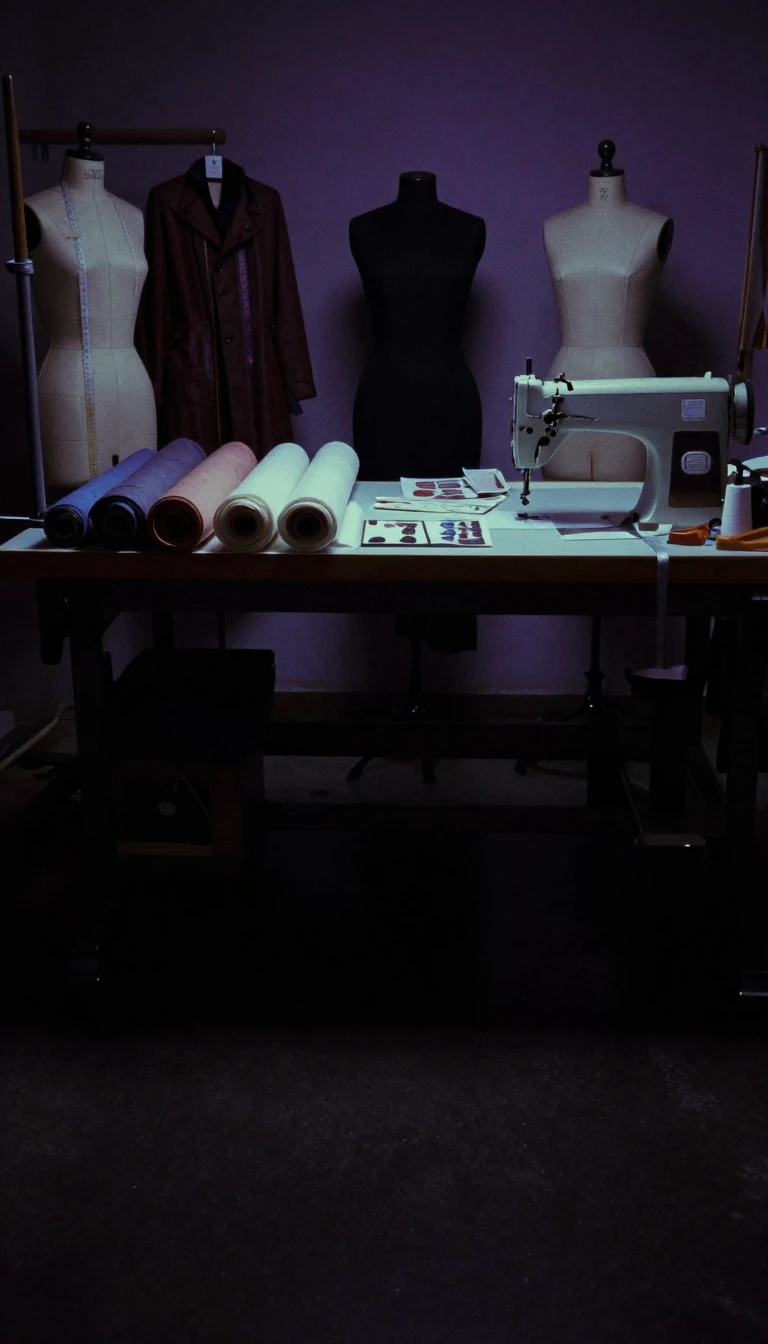
In short: French fashion is more than just style; it is a centuries-old engine of national identity and economic influence. From the calculated image-making of Louis XIV to the revolutionary shift toward ready-to-wear, France transformed the way the world dresses, turning the act of getting dressed into a sophisticated cultural language.
The institutionalization of French fashion began in the 17th century, largely under the reign of Louis XIV. While the King is often mythologized as a personal patron of style, the true catalyst was the emergence of the fashion press in the 1670s. These widely circulated prints marketed seasonal trends to a public far beyond the royal court, establishing the concept of the fashion season. Louis XIV utilized portraiture as a tool of statecraft, with artists like Hyacinthe Rigaud crafting images that prioritized royal majesty over realistic likeness, famously depicting the aging monarch with unnaturally youthful legs.
By the 18th century, the industry had expanded significantly, with textile production fueling a boom in consumerism that transcended social classes. The French Revolution marked a dramatic pivot; the Sans-culottes rejected the aristocratic periwig and knee-breeches in favor of informal, patriotic attire like the Phrygian cap. Following the Revolution, the Incroyables and Merveilleuses pushed boundaries with eccentric, often scandalous styles, using fashion as a form of social signaling in a rapidly changing political landscape.
The 19th century saw the birth of haute couture, with Charles Frederick Worth dominating the industry from 1858 to 1895. This era solidified Paris as the global fashion capital. The 20th century brought further disruption, notably through Coco Chanel’s boyish, sporty aesthetic and the wartime restrictions that forced milliners to innovate with scraps like wood shavings. Post-war, Christian Dior’s 1947 'New Look' revived feminine extravagance, yet by the 1960s, the industry faced pressure from youth culture. Yves Saint Laurent’s move toward prêt-à-porter finally bridged the gap between exclusive couture and mass-market appeal, cementing France’s role as the arbiter of global style.
Today, French fashion remains a pillar of the nation's commercial diplomacy. Despite increasing competition from international hubs like Milan and London, Paris continues to host major fashion weeks and serves as the headquarters for iconic houses like Chanel and Louis Vuitton. The industry has evolved into a massive conglomerate-led sector, yet it retains its status as a defining element of French culture, where clothing remains a primary marker of identity.
Opens the Intellect+ feed with this card first. Swipe up for the next one.
Sources
- Summary by Intellect · source: French fashion
To cite this card, link to https://intellectplus.co.uk/app/culture-french-fashion.
How we source, check and correct cards: Editorial standards.
General information, not professional advice. Spotted an error? Flag the card or see corrections and complaints.
Intellect Plus is a visual educational discovery platform for exploring fascinating facts and ideas. Brain Food, Not Brain Rot. What is Intellect Plus?
Related
More in Fashion through the ages · More in Cultures · Latest · A–Z · All topics
