How Marie Antoinette’s 'peasant' style dismantled centuries of aristocratic dress codes
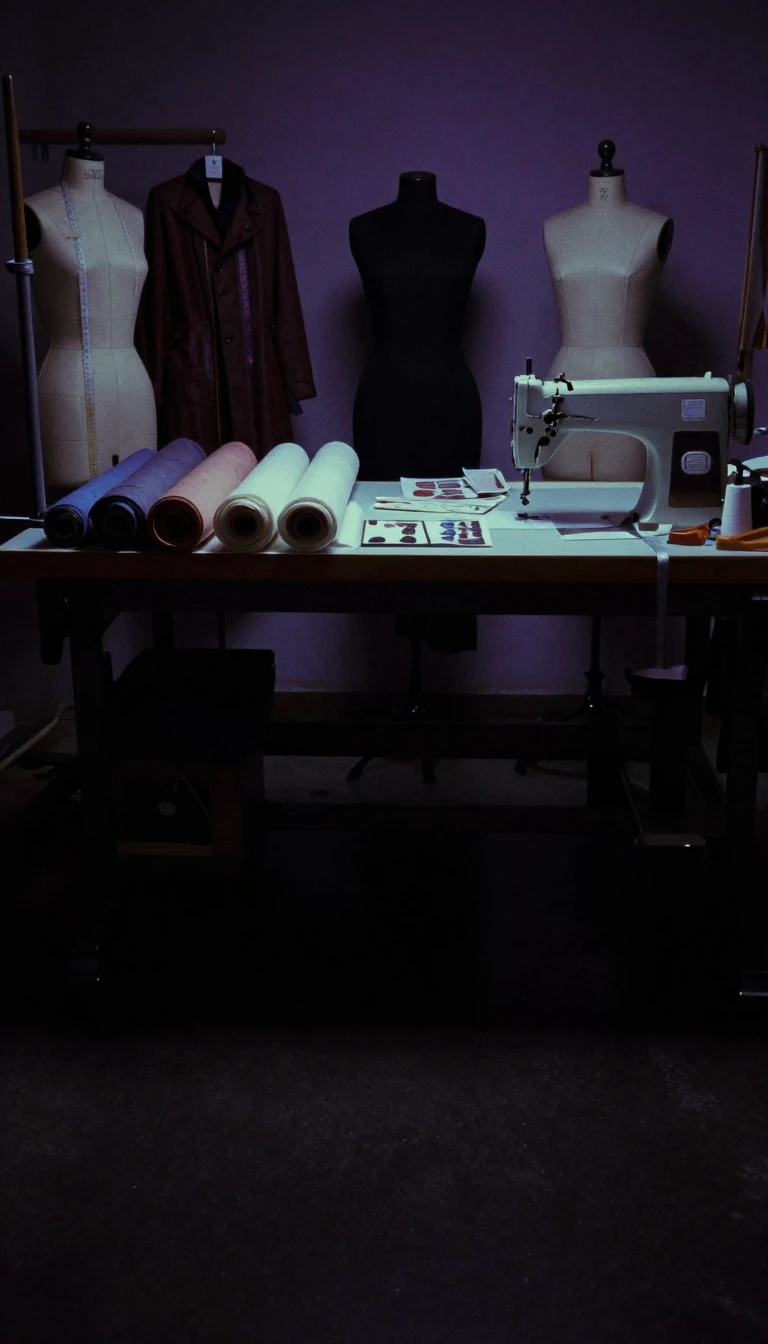
In short: In the late 18th century, fashion shifted from rigid social signaling to personal expression. By adopting simple muslin gowns and straw hats, Queen Marie Antoinette sparked a scandal that blurred class lines, traded heavy silks for airy fabrics, and paved the way for modern neoclassical style.
Between 1775 and 1795, Western fashion underwent a radical simplification driven by Enlightenment ideals of rationality and selfhood. Before this era, sumptuary laws and guild controls made high fashion an exclusive tool for the elite. However, the 'consumer revolution' by 1750 introduced cheaper copies of trendy styles, allowing all social classes to participate in fashion as a means of individual expression rather than just a display of wealth.
The most disruptive shift came from Marie Antoinette in the 1780s. Seeking refuge from the rigid etiquette of the French court, she adopted a 'pseudo-country life' at her hameau, dressing in peasant-inspired clothing like straw hats and simple muslin gowns. Her 'chemise à la Reine'—a lightweight white garment that resembled an undergarment—caused a massive scandal. Critics viewed it as indecent because it stripped noblewomen of their traditional identity (the heavy silks and wide panniers), making them nearly indistinguishable from peasant girls.
This move toward simplicity had lasting consequences. While the Queen eventually returned to more formal styles, the 'gaulle' and chemise remained popular across France and England due to their aesthetic appeal. This transition was accelerated by the French Revolution, where radicals embraced an 'anti-fashion' of plain, dark clothing for men and workaday outfits for women to symbolize egalitarianism. By 1795, these trends merged into a neoclassical aesthetic characterized by slimmer silhouettes, matte fabrics, and higher waistlines, setting the stage for the 19th century.
Technically, this period saw the disappearance of wide panniers from general use (except in formal courts) and the rise of 'redingotes'—English-inspired riding coats. For women, it marked a move toward more practical garments like caracos and jackets, while for men, it signaled a shift away from powdered wigs toward natural hair and earthy colors.
Opens the Intellect+ feed with this card first. Swipe up for the next one.
Sources
- Summary by Intellect · source: 1775–1795 in Western fashion
To cite this card, link to https://intellectplus.co.uk/app/culture-1775-1795-in-western-fashion.
How we source, check and correct cards: Editorial standards.
General information, not professional advice. Spotted an error? Flag the card or see corrections and complaints.
Intellect Plus is a visual educational discovery platform for exploring fascinating facts and ideas. Brain Food, Not Brain Rot. What is Intellect Plus?
Related
More in Fashion through the ages · More in Cultures · Latest · A–Z · All topics
