The 1780 storm that crippled empires and redefined Atlantic history
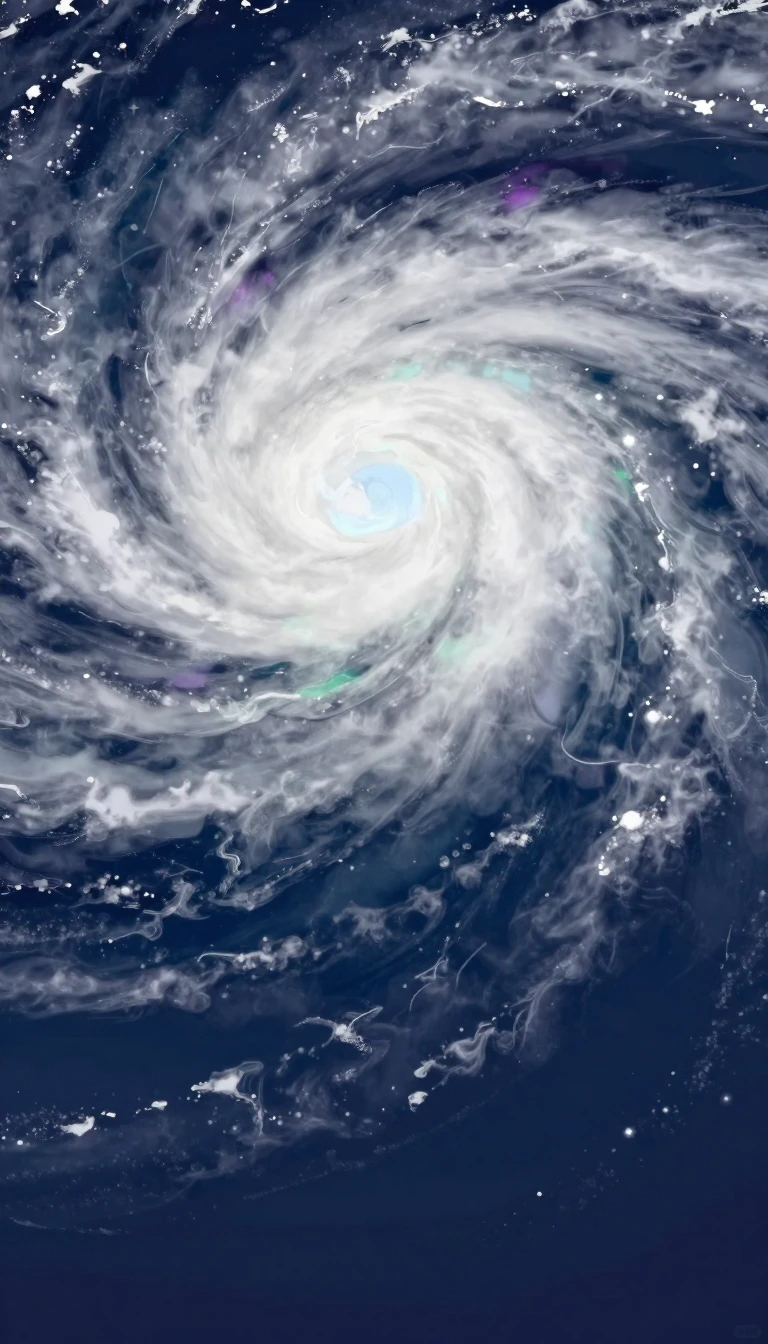
In short: In October 1780, a hurricane of unprecedented scale ravaged the Caribbean, claiming tens of thousands of lives and sinking entire fleets. It was so devastating that it took decades for island economies to recover, leaving a scar on the Atlantic that remains the deadliest recorded by history.
The Great Hurricane of 1780 was a catastrophic meteorological event that struck the eastern Caribbean from October 9 to 15. It is recognized as the deadliest Atlantic hurricane on record, with an estimated total of 20,000 to 22,000 casualties. The storm first appeared near Barbados on October 9, striking with full fury around noon the following day. While wind speeds are difficult to verify due to the lack of modern instruments, Dr. José Carlos Millás estimated gusts as high as 200 mph (320 km/hr), a figure that remains highly subjective.
The hurricane's path was slow and methodical, moving north-northwesterly across the Lesser Antilles. It devastated Barbados, killing 4,500 people, and moved toward Saint Lucia, Martinique, Dominica, and Guadeloupe, where approximately 8,500 more perished. By the time it reached Puerto Rico—where it was known as the San Calixto hurricane—and Hispaniola, it had already caused immense destruction. The storm also caught two warring navies, the English and French fleets, in the middle of maneuvers during the American Revolution. The resulting carnage saw ships-of-the-line and frigates sunk with all hands, drowning roughly 9,000 sailors and soldiers.
For years, historians debated whether this was a single, massive storm that hit Jamaica and Pensacola as well. However, mid-19th-century investigations by Lt.Col. William Reid proved these were three distinct hurricanes. Together, they made 1780 the deadliest Atlantic hurricane season in recorded history. The storm eventually moved into the northern Atlantic, affecting Bermuda and Cape Race in Newfoundland, before disappearing from records near Canada. The sheer scale of the loss was so profound that the economic recovery of the struck islands lasted for decades.
The hurricane's impact was not just a matter of immediate mortality but of geopolitical shift. By sinking significant portions of the British fleet, the storm weakened British control over the Atlantic during a pivotal era of global warfare. Because the official Atlantic hurricane database only began in 1851, the precise mechanics of the 1780 storm remain partially shrouded in the subjective accounts of those who survived it.
Opens the Intellect+ feed with this card first. Swipe up for the next one.
Sources
- Summary by Intellect · source: 235th Anniversary of the Great Hurricane of 1780 - NOAA
- Also: Great Hurricane of 1780
To cite this card, link to https://intellectplus.co.uk/app/culture-great-hurricane-of-1780.
How we source, check and correct cards: Editorial standards.
General information, not professional advice. Spotted an error? Flag the card or see corrections and complaints.
Intellect Plus is a visual educational discovery platform for exploring fascinating facts and ideas. Brain Food, Not Brain Rot. What is Intellect Plus?
Related
More in Languages · More in Cultures · Latest · A–Z · All topics
