How Hurricane Maria Became the Deadliest Atlantic Storm of the 21st Century
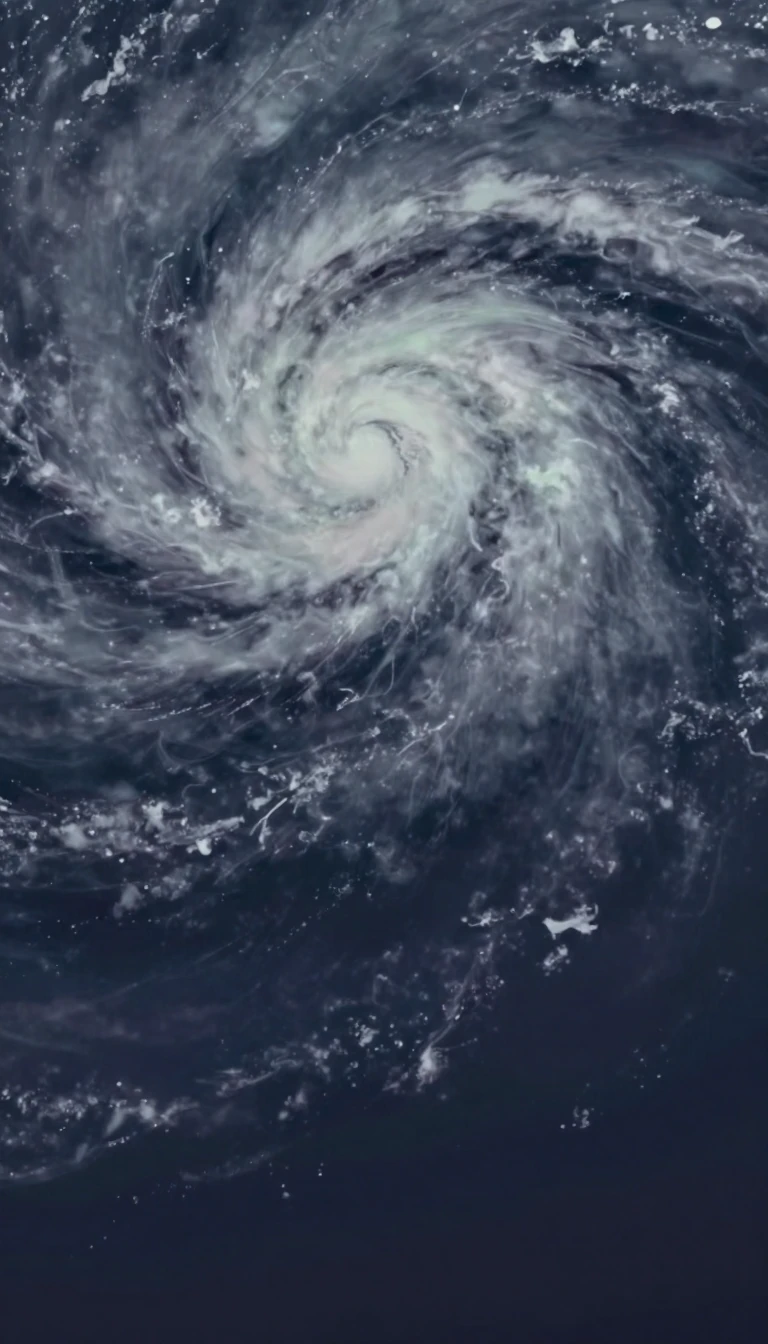
In short: In September 2017, Hurricane Maria tore through the Caribbean, leaving a trail of catastrophic destruction. As the deadliest storm of the 21st century, it claimed over 3,000 lives and caused billions in damages. From its explosive intensification to the collapse of Puerto Rico's power grid, the storm exposed deep systemic vulnerabilities.
Hurricane Maria originated from a tropical wave off the coast of Africa on September 12, 2017. By September 18, it underwent explosive intensification, nearly doubling its wind speeds in just 24 hours to reach Category 5 status. It struck Dominica that night, marking the first time a Category 5 storm had ever made landfall on the island nation. The damage was total; the hurricane destroyed nearly every roof, decimated the agricultural sector, and effectively cut the country off from the world for days. The economic impact was staggering, with losses estimated at US$1.37 billion, equivalent to 226 percent of Dominica's 2016 GDP.
The storm then moved toward Puerto Rico, where it made landfall near Yabucoa on September 20 as a high-end Category 4 hurricane. While the storm had weakened slightly due to an eyewall replacement cycle, this process tripled the size of the eye, significantly expanding the area subjected to high-intensity winds. The island was already fragile; prior to Maria, the Puerto Rico Electric Power Authority was struggling with debt, aging infrastructure, and a workforce reduced by 30 percent since 2012. The resulting electrical blackout was the worst in United States history, lasting for several months.
The humanitarian crisis was compounded by the fact that Maria arrived just two weeks after Hurricane Irma. FEMA’s primary Caribbean distribution center in Puerto Rico had already deployed 83 percent of its emergency supplies, including 90 percent of its water, to other islands. With the island’s water system already failing to meet 1974 Safe Drinking Water Act standards, the population faced a dire lack of resources. Ultimately, the storm resulted in 3,059 deaths, with 2,975 occurring in Puerto Rico alone. The name Maria was subsequently retired from the Atlantic hurricane list.
Beyond the human toll, the storm caused widespread environmental and structural devastation across the Caribbean, including Guadeloupe, Martinique, and the U.S. Virgin Islands. In the aftermath, researchers utilized anonymous cell phone data to track the exodus of residents, while local stakeholders in Dominica continue to grapple with the ecological impact of non-native species introduced by relief efforts. The disaster serves as a stark case study in how extreme weather events interact with pre-existing infrastructure decay and limited emergency preparedness.
Opens the Intellect+ feed with this card first. Swipe up for the next one.
Sources
- Summary by Intellect · source: Hurricane Maria
- Also: Wikidata — Hurricane Maria · CC0
- Also: Wikidata — Hurricane Maria · CC0
To cite this card, link to https://intellectplus.co.uk/app/places-hurricane-maria.
How we source, check and correct cards: Editorial standards.
General information, not professional advice. Spotted an error? Flag the card or see corrections and complaints.
Intellect Plus is a visual educational discovery platform for exploring fascinating facts and ideas. Brain Food, Not Brain Rot. What is Intellect Plus?
Related
More in Countries and other regions · More in Countries & Cities · Latest · A–Z · All topics
