The harbor seal is a master of underwater survival with a surprising vocal talent.
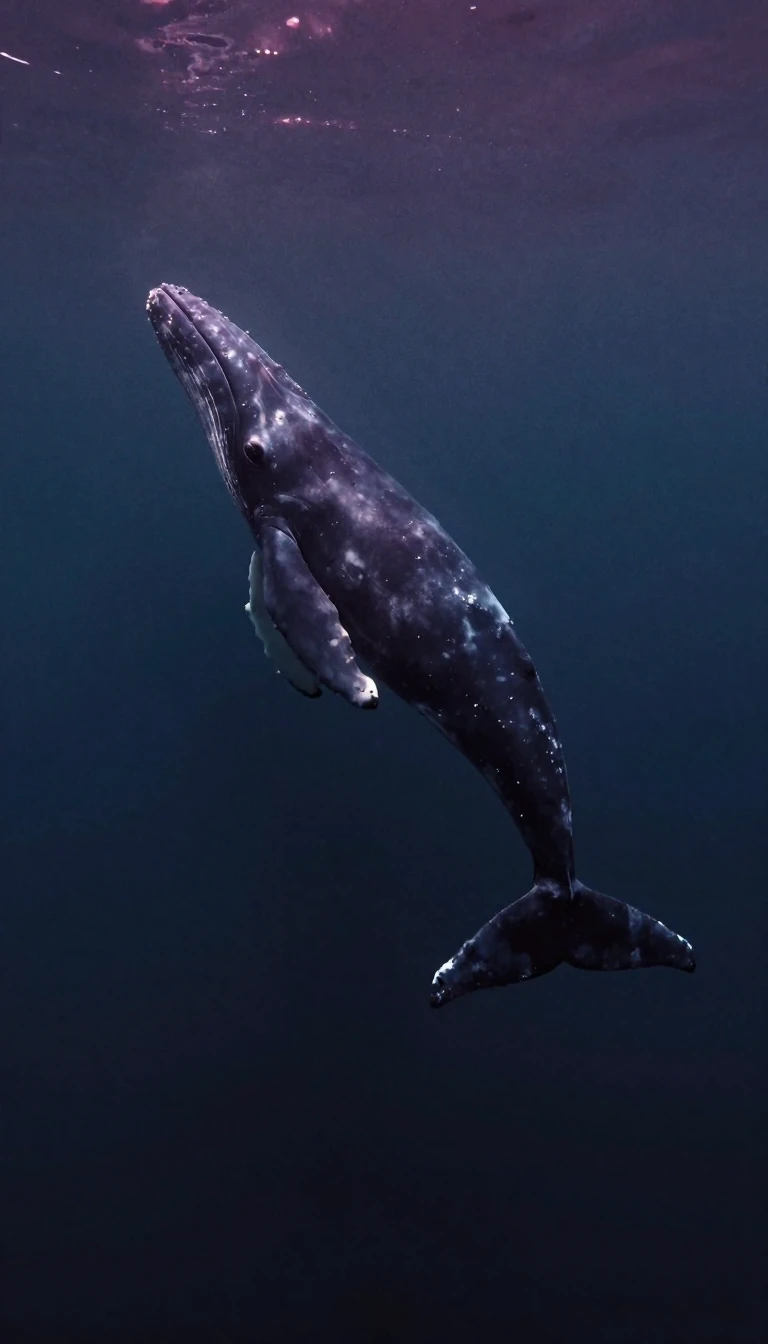
In short: Found across the Northern Hemisphere, the harbor seal is a resilient marine mammal that thrives in coastal waters. Beyond its iconic appearance, this creature possesses remarkable physiological adaptations for deep-sea diving and even exhibits unexpected neural capabilities for vocal learning, making it a fascinating subject of ongoing scientific study.
The harbor seal, Phoca vitulina, is a widely distributed pinniped that inhabits temperate and Arctic coastlines. Unlike their eared relatives, these true seals lack external ear flaps and move on land using a distinct undulating motion because their pelvic bones are fused. They are opportunistic predators, feeding on a varied diet of fish, crustaceans, and cephalopods, and they are known to frequent familiar haulout sites to rest, molt, and raise their young.
To survive in challenging marine environments, harbor seals have evolved sophisticated physiological mechanisms. Before descending into deep waters—sometimes reaching depths of over 500 meters—they exhale to minimize oxygen in their lungs. They rely on oxygen stores in their blood and muscles while drastically reducing their heart rate, which can drop from over 100 beats per minute to just a few pulses during a dive. This efficiency allows them to remain submerged for extended periods, though most foraging occurs in shallower zones.
Recent research has highlighted the harbor seal's unique cognitive traits, particularly regarding vocalization. While generally considered quieter than other pinnipeds, brain imaging studies suggest they possess advanced neural adaptations for vocal production learning. This is exemplified by historical cases like Hoover, a rescued seal that famously mimicked human speech. Such findings underscore the complexity of these animals, which serve as vital indicators of ecosystem health in regions ranging from the Pacific coast to the urbanized waters of New York Harbor.
Conservation efforts have been critical to their recovery. Historically targeted by bounties and threatened by pollution, many populations have rebounded following the implementation of protective legislation like the 1972 Marine Mammal Protection Act in the United States. Today, they are a common sight in diverse habitats, from rocky islands to busy estuaries, demonstrating a remarkable ability to reclaim ancestral territories despite the pressures of human development.
Opens the Intellect+ feed with this card first. Swipe up for the next one.
Sources
- Summary by Intellect · source: Harbor seal
- Also: Harbor Seal
- Also: Harbor seal
- Also: www.britannica.com — Harbour seal | Marine, Aquatic, Pinniped | Britannica
To cite this card, link to https://intellectplus.co.uk/app/culture-harbor-seal.
How we source, check and correct cards: Editorial standards.
General information, not professional advice. Spotted an error? Flag the card or see corrections and complaints.
Intellect Plus is a visual educational discovery platform for exploring fascinating facts and ideas. Brain Food, Not Brain Rot. What is Intellect Plus?
Related
More in Peoples & civilisations · More in Cultures · Latest · A–Z · All topics
