Harran: The Ancient Mesopotamian City That Refused to Give Up Its Pagan Gods
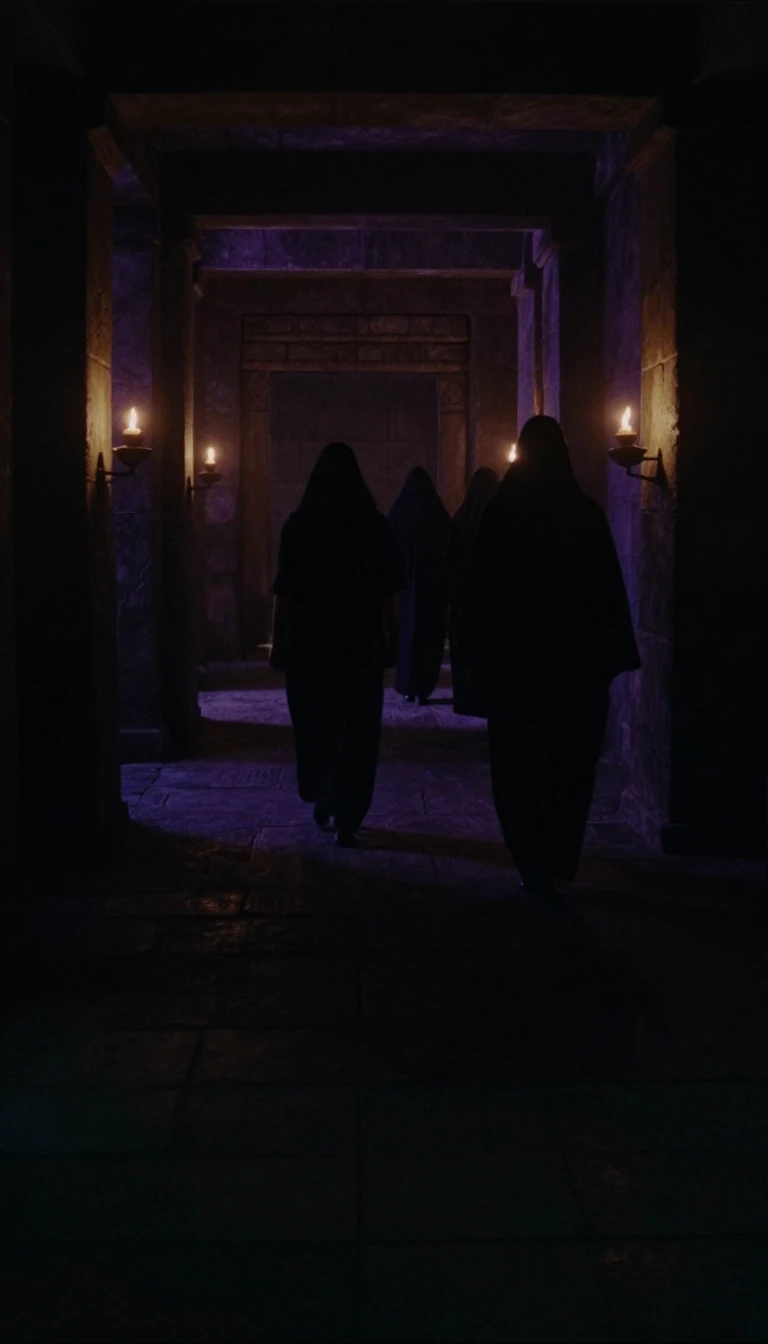
In short: Founded as a merchant colony thousands of years ago, Harran became a legendary center of science and a stubborn stronghold of paganism. While surrounding empires embraced Christianity or Islam, this desert crossroads protected its ancient moon-worshipping traditions for centuries, eventually influencing the development of modern religious communities in the region.
Harran, located in modern-day Turkey, emerged between the 25th and 20th centuries BC, likely as a Sumerian merchant outpost. Its strategic position at a crossroads of trade routes made it a vital cultural and religious hub. The city became famously associated with the moon-god Sin, housing the Eḫulḫul temple, a site so influential that Mesopotamian rulers sought its blessing to legitimize their own authority. Even as empires rose and fell—from the Neo-Assyrian collapse in 609 BC to the Roman and Sasanian struggles—Harran maintained its unique identity.
The city’s most striking feature was its long-standing paganism. While neighboring Edessa adopted Christianity early, Harran remained a bastion of the old religion. By the 4th century AD, it was the largest center of pagan cults in eastern Syria. Even under Islamic rule, the city’s inhabitants cleverly navigated religious pressures. In 830, when threatened by Caliph Al-Ma'mun, the residents avoided forced conversion by claiming to be 'Sabians,' a protected group mentioned in the Quran, identifying the legendary Hermes Trismegistus as their prophet.
Harran’s intellectual legacy was equally significant. During the 8th century, its madrasa flourished as a center for mathematics, philosophy, and astronomy, serving as a critical site for translating Greek and Syriac texts into Arabic. However, the city’s fortunes eventually waned. Following the Mongol conquest in 1260 and its subsequent abandonment in 1271, Harran transitioned into a nomadic settlement. Today, it is known for its distinctive beehive houses, which echo architectural styles present since ancient times.
The final remnants of Harran’s ancient religious culture did not vanish entirely. As the last moon temples were destroyed in the 11th century, the city's 'Sabians' migrated toward Mardin and Mosul. Recent scholarship suggests these groups integrated into communities that eventually evolved into the Yezidi faith, preserving elements of Harranian cultic practices that can still be discerned in the modern era.
Opens the Intellect+ feed with this card first. Swipe up for the next one.
Sources
- Summary by Intellect · source: Harran
To cite this card, link to https://intellectplus.co.uk/app/culture-harran.
How we source, check and correct cards: Editorial standards.
General information, not professional advice. Spotted an error? Flag the card or see corrections and complaints.
Intellect Plus is a visual educational discovery platform for exploring fascinating facts and ideas. Brain Food, Not Brain Rot. What is Intellect Plus?
Related
More in Peoples & civilisations · More in Cultures · Latest · A–Z · All topics
