High culture was built on the luxury of having nothing to do
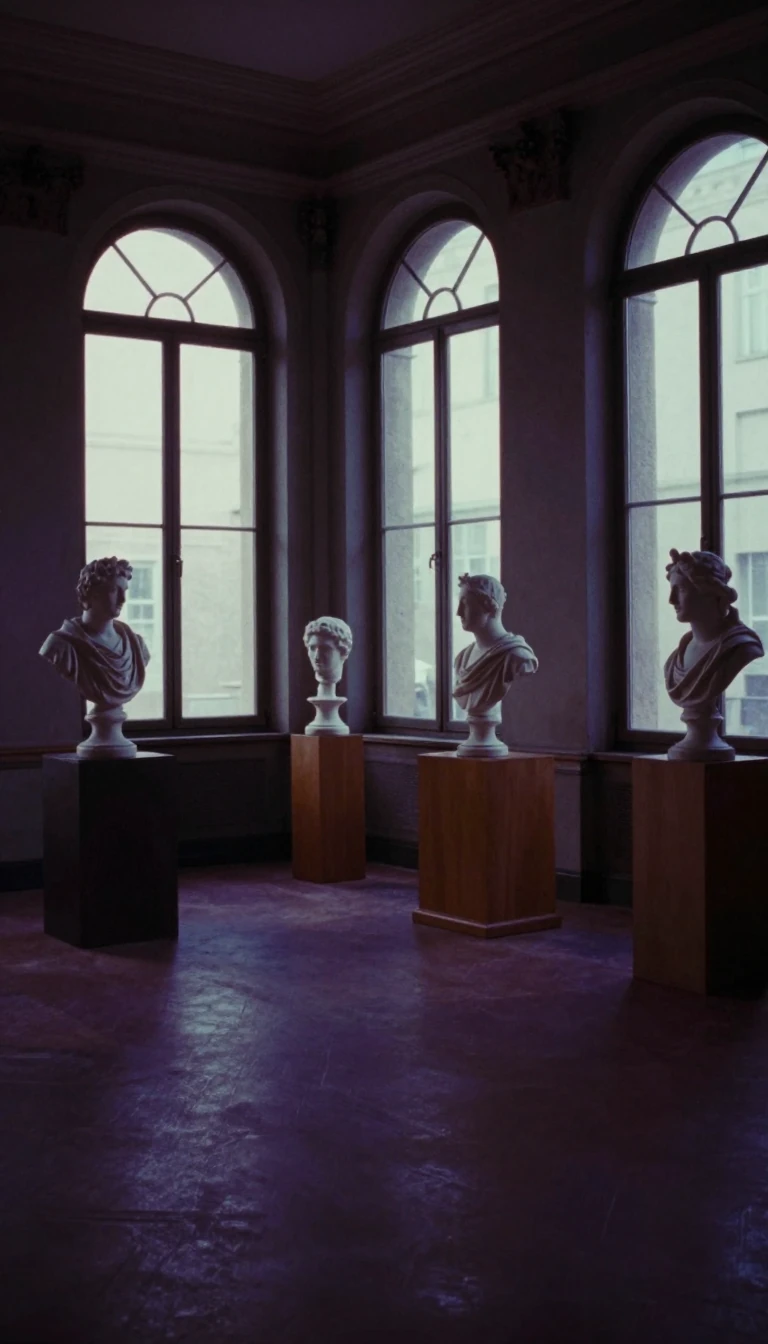
In short: Why are some paintings considered masterpieces while others are mere decoration? The answer lies in a historical divide between 'servile' labor and 'liberal' leisure. To be part of high culture, one first had to possess the wealth to ignore the necessity of earning a living.
The Western concept of high culture is rooted in the Greco-Roman tradition, specifically the distinction between 'liberal' arts—intellectual pursuits done for their own sake—and 'servile' or 'mechanical' arts associated with manual labor. This created a social hierarchy where intellectual refinement was reserved for the 'free man.' Because these activities required significant leisure time, high culture became inextricably linked to inherited wealth and aristocratic patronage throughout the modern era.
During the Renaissance, this ideal was codified through humanism (studia humanitatis). Education shifted toward refining human nature rather than acquiring vocational skills. For example, Baldassare Castiglione’s 1528 work 'The Book of the Courtier' instructed the aspiring elite to master Greco-Roman classics as a prerequisite for social status. This era also elevated painting and sculpture from manual crafts to high art, largely thanks to early Renaissance treatises by Leon Battista Alberti.
Today, high culture is defined by an aesthetic framework that prioritizes 'the best that has been said and thought.' It encompasses works of high excellence—like the music of Bach or the sculptures of Michelangelo—that are preserved in written form and intended for contemplation rather than mass consumption. Unlike popular culture, which often reflects broader trends, high art is viewed as a description of the cultural systems that produced it, demanding a specific 'cultural literacy' to navigate.
This distinction remains visible in modern media. Art music is defined by its advanced structural theory and lack of competition in the free marketplace, while art film focuses on authorial expressivity and internal character dreams rather than goal-driven plots. Ultimately, high culture serves as a repository of broad-range knowledge that transcends class, even if its origins were designed to define it.
Opens the Intellect+ feed with this card first. Swipe up for the next one.
Sources
- Summary by Intellect · source: High culture
To cite this card, link to https://intellectplus.co.uk/app/culture-high-culture.
How we source, check and correct cards: Editorial standards.
General information, not professional advice. Spotted an error? Flag the card or see corrections and complaints.
Intellect Plus is a visual educational discovery platform for exploring fascinating facts and ideas. Brain Food, Not Brain Rot. What is Intellect Plus?
Related
More in Traditions & customs · More in Cultures · Latest · A–Z · All topics
